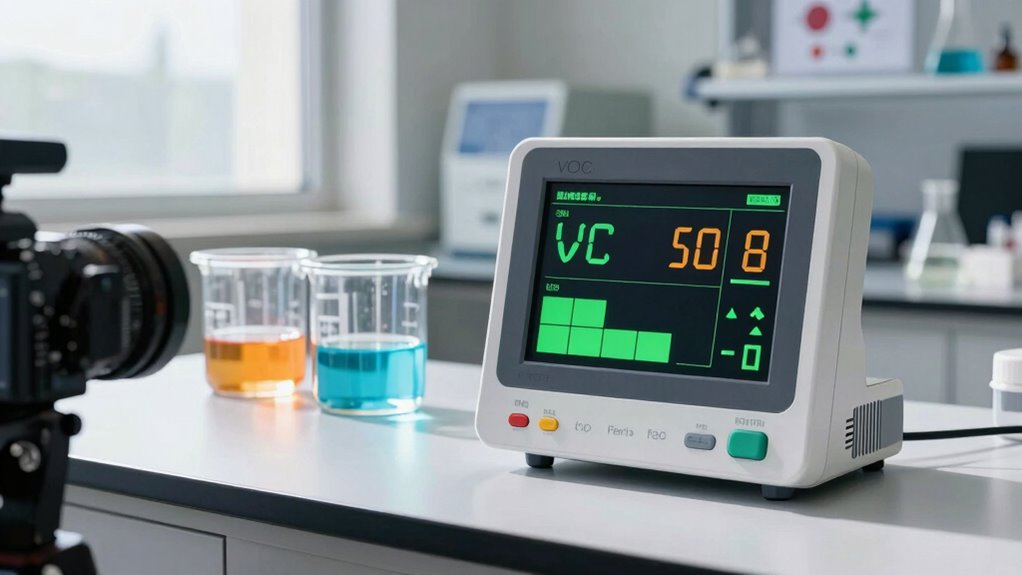

VOC monitoring numbers tell you how much volatile organic compounds are present in your indoor air. If the levels stay below regulatory standards, your environment is generally safe, but higher readings could signal potential health risks like headaches or respiratory issues. These numbers help identify sources such as furniture or cleaning products and guide actions like increasing ventilation or replacing items. To understand what your results really mean for your health, keep exploring more insights.

Get business pricing on tools and workshop supplies
- Business-only prices and quantity discounts
- Tax-exempt purchasing
- Multiple users, one account, clear invoices
Key Takeaways
- VOC measurement results are compared against regulatory standards to determine if indoor air quality is safe or requires action.
- Numerical VOC levels indicate the concentration of airborne chemicals; higher numbers suggest increased potential health risks.
- Monitoring data helps identify specific sources emitting VOCs and guides targeted mitigation strategies.
- Results within safe limits generally mean a healthy environment, while elevated readings may signal the need for ventilation or source removal.
- Continuous monitoring of VOC levels reveals fluctuations over time, ensuring ongoing indoor air quality management.
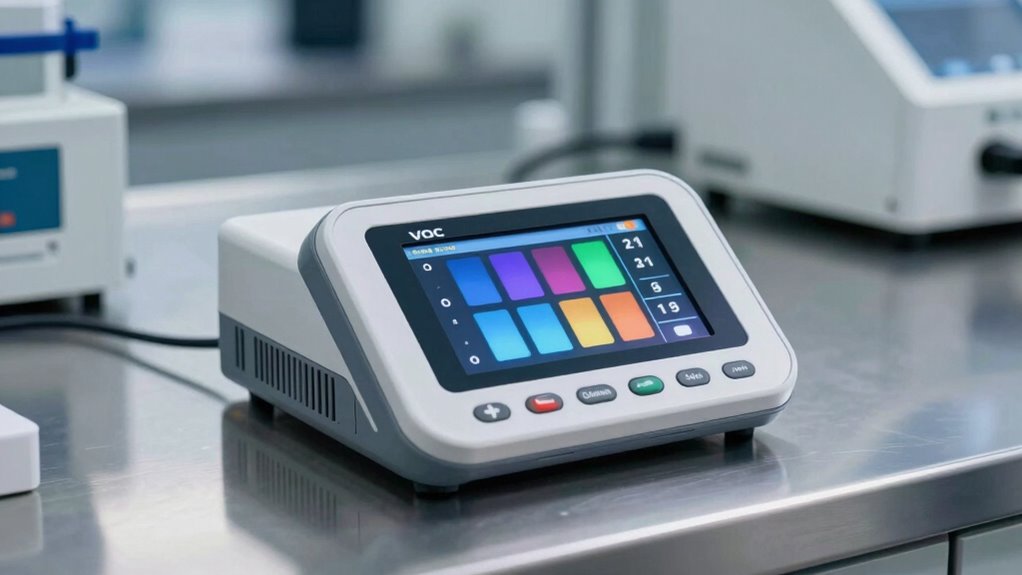
Have you ever wondered how we keep track of volatile organic compounds (VOCs) in the air? It all comes down to monitoring systems designed to measure these airborne chemicals and help us understand indoor air quality. VOC monitoring plays a pivotal role in ensuring that indoor environments are safe and healthy, especially since many VOCs are invisible and odorless. When you’re in a home, office, or industrial space, the air you breathe can contain these compounds from cleaning products, paints, furniture, and even electronics. Monitoring devices detect the presence and concentration of VOCs, giving us valuable data to assess potential risks. Understanding what those numbers mean is essential, especially when it comes to meeting regulatory standards. Regulatory agencies, such as the Environmental Protection Agency (EPA) in the United States or similar organizations worldwide, set limits on acceptable VOC levels in indoor air. These standards aren’t arbitrary; they’re based on scientific research that links certain concentrations of VOCs to health effects, including respiratory issues, headaches, or more severe conditions over prolonged exposure. When monitoring results show VOC levels within these limits, you can feel reassured that the indoor air quality is compliant and, generally, safe for occupants. However, if the numbers creep above regulatory standards, it indicates a potential health risk. It’s not just about meeting a number; it’s about protecting people from exposure to harmful chemicals. In these cases, building managers or homeowners need to identify the sources of VOCs—like new furniture, cleaning agents, or renovations—and take steps to reduce emissions. This might involve increasing ventilation, using air purifiers, or swapping out products with lower VOC emissions. The data from VOC monitoring not only alerts you to problems but also guides you on how to fix them. Keep in mind, these standards are designed to be protective but are also based on average exposures. Some individuals, especially those with allergies or asthma, may be more sensitive to VOCs, meaning even lower levels could cause discomfort. That’s why continuous monitoring is often recommended in sensitive environments. It allows you to track fluctuations in VOC levels over time, ensuring indoor air quality remains within safe limits, even during activities like cleaning or renovation. Additionally, understanding filtration systems can help improve indoor air quality by effectively removing VOCs from the air. In short, VOC monitoring isn’t just about numbers; it’s about understanding what those measurements mean for your health and safety. By aligning results with regulatory standards, you can make informed decisions to improve indoor air quality, creating a healthier environment for everyone.
As an affiliate, we earn on qualifying purchases.
Frequently Asked Questions
How Often Should VOC Levels Be Monitored in a Typical Home?
You should monitor VOC levels regularly, ideally once a month, to guarantee good air quality standards in your home. Keep an eye on ventilation practices, like opening windows or using exhaust fans, especially during activities that release VOCs. Frequent monitoring helps you identify any spikes and maintain a healthy environment, reducing potential health risks. Adjust your ventilation practices as needed based on the VOC readings to keep your indoor air safe.
What Are the Health Effects of Long-Term VOC Exposure?
Long-term VOC exposure can cause chronic health issues like coughing, headaches, and respiratory problems. Poor indoor air quality worsens chemical exposure, leading to potential damage to your lungs and nervous system over time. You might notice persistent symptoms or worsening health if VOC levels stay high. To protect yourself, improve ventilation, limit VOC sources, and monitor air quality regularly to reduce risks associated with prolonged chemical exposure indoors.
Which Industries Are Most at Risk for High VOC Emissions?
You’re most at risk for high VOC emissions in industries with heavy industrial emissions and manufacturing processes, like chemical production, paint and coating factories, and automotive manufacturing. These industries often release significant VOCs through their operations, which can impact air quality and health. If you’re working in or near these sectors, it’s essential to monitor VOC levels regularly and implement control measures to reduce exposure and protect your health.
How Do VOC Levels Vary With Different Seasons and Weather?
You’ll notice VOC levels fluctuate with seasonal changes and weather impact. In warmer seasons, higher temperatures increase VOC emissions from sources like vehicles and plants, leading to elevated readings. Cold weather often reduces emissions, but temperature inversions can trap pollutants, causing spikes. Humidity and wind also influence dispersion, so monitoring results vary throughout the year. Understanding these seasonal fluctuations helps you better interpret VOC data and manage air quality effectively.
Are There Any Legal Limits for VOC Concentrations Indoors?
Yes, there are legal limits for VOC concentrations indoors to safeguard your indoor air quality. Chemical regulations set these limits to ensure that indoor environments remain safe and healthy. You should be aware of local standards, which often specify maximum allowable VOC levels in residential and commercial spaces. Keeping VOCs within these limits helps reduce health risks and improves overall air quality, so regularly monitor and ventilate your indoor spaces accordingly.
Conclusion
Now that you understand what those VOC numbers really mean, you can see they’re more than just digits — they’re signals from your environment. Think of them as a warning siren, alerting you to potential health risks lurking in the air. By paying attention to these numbers, you’re taking control and safeguarding your space. Remember, knowledge is your shield in the battle against unseen pollutants, turning awareness into action for a healthier tomorrow.
Fall Picks
fall essentials
As an affiliate, we earn on qualifying purchases.