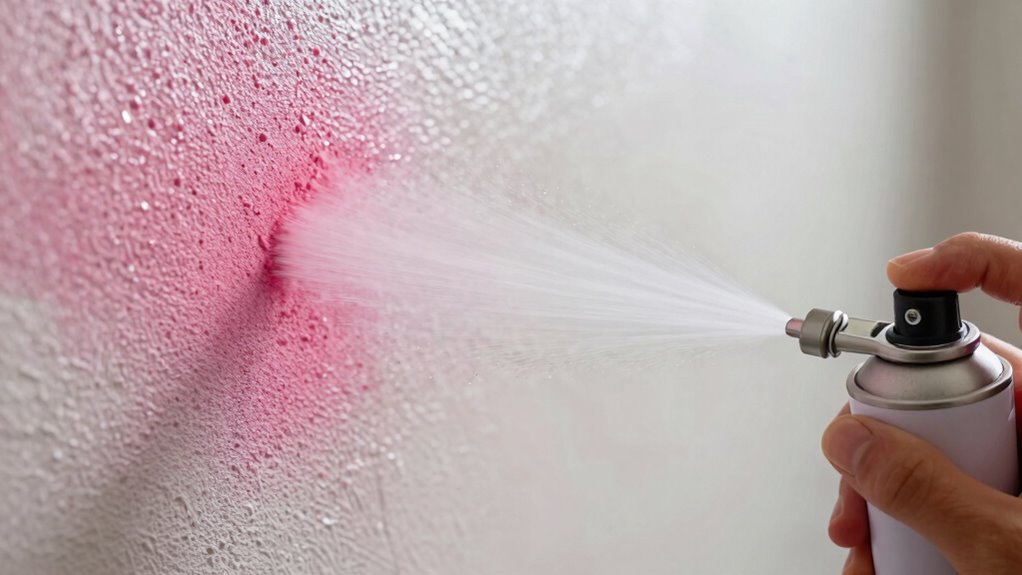
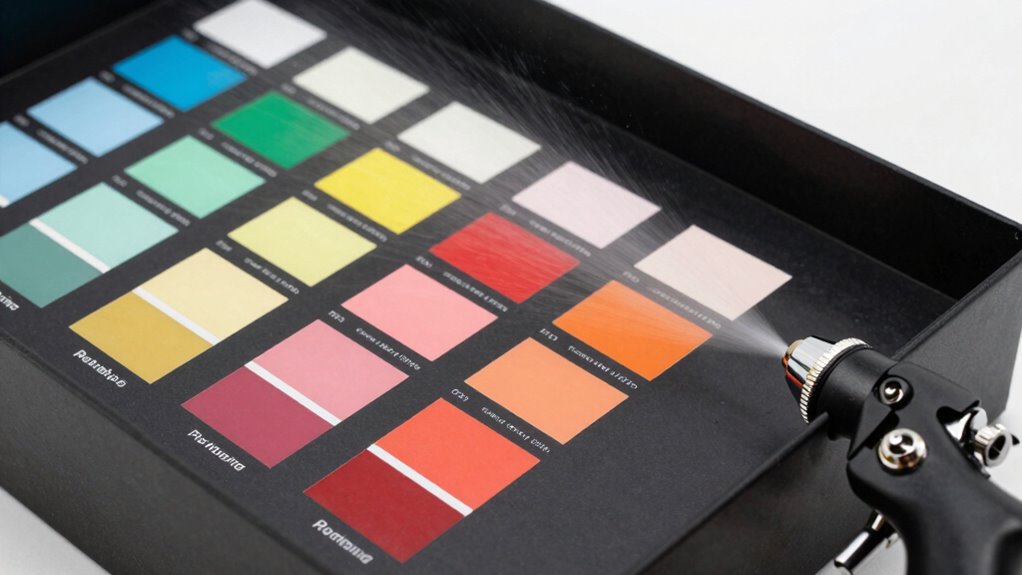
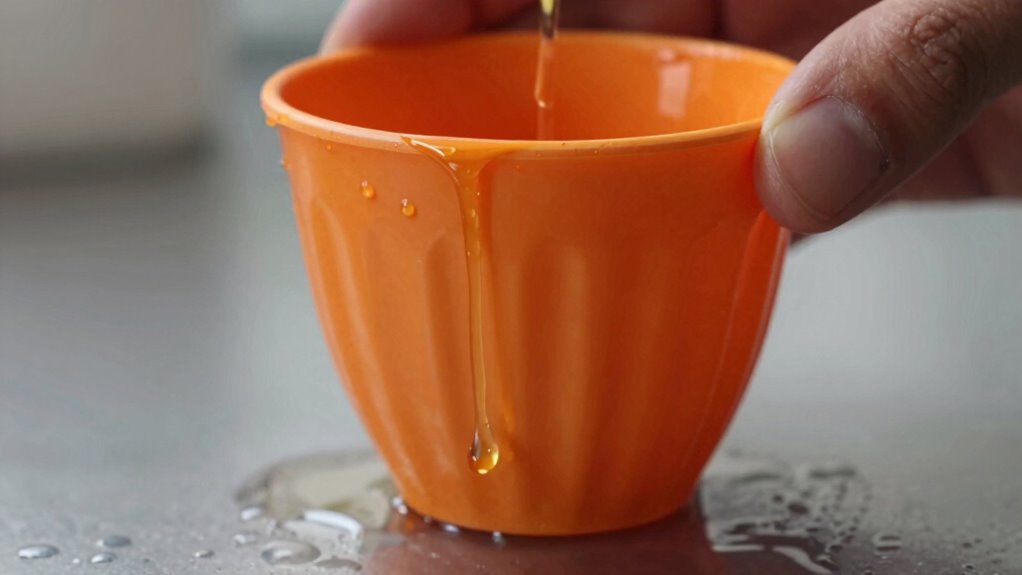
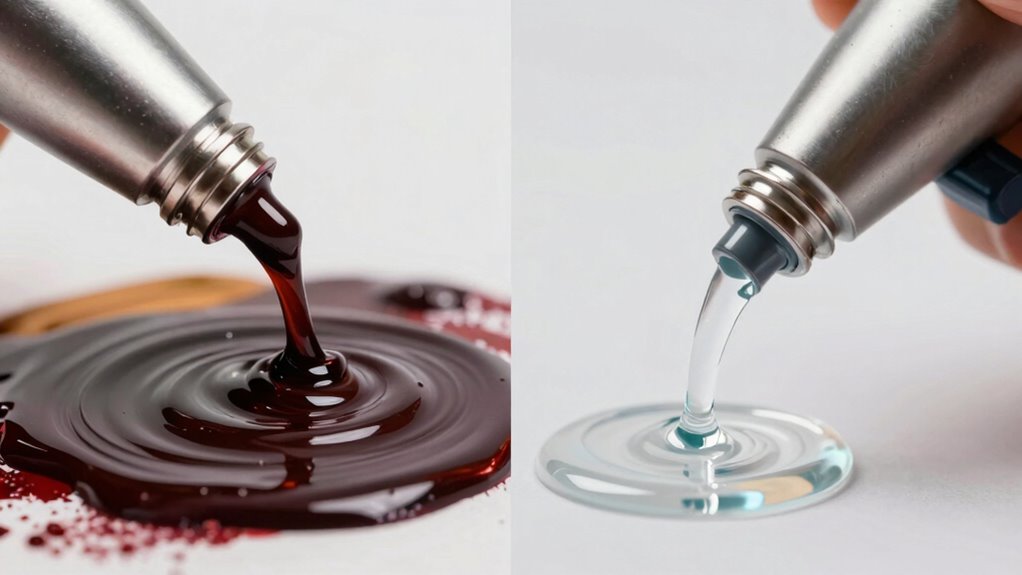
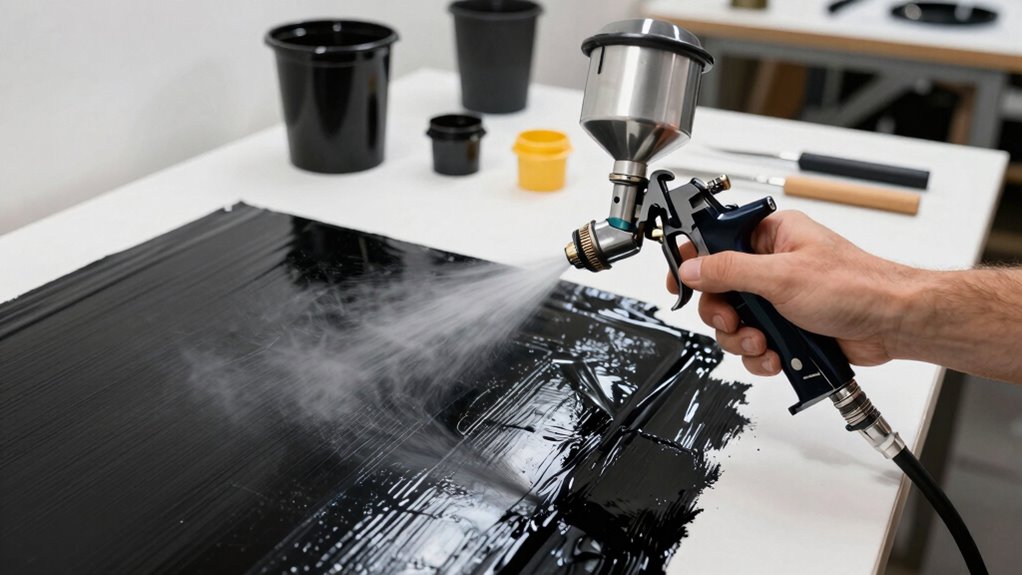
Unlock the secret to mess-free texture spraying by mastering the perfect mix consistency—discover the key steps to flawless results.
Browsing Category
Paint & Coatings Science
20 posts
High-Solids Coatings: The One Setup Change That Stops Orange Peel
Proper setup adjustments can eliminate orange peel in high-solids coatings, ensuring a smooth finish—discover the key change that makes all the difference.
Paint Foaming in the Bucket? The Mixing Speed That Causes It
A common cause of paint foaming in the bucket is mixing speed; learn how to prevent it and achieve a smooth, foam-free blend.
Odor Blocking Explained: Why Some Primers Trap Smells Better
Find out why some primers trap odors better and how key ingredients and techniques can make all the difference.
Flash ‘Blush’: Why Some Clears Go Cloudy and How to Prevent It
Brighten your understanding of why clear nail polishes turn cloudy and discover essential tips to keep them pristine.
Adhesion Tests You Can Trust: Crosshatch and Tape Done Right
Having confidence in adhesion tests depends on proper execution of crosshatch and tape methods, so learn the best practices to ensure accurate results.
Why Your Finish Looks Lighter When Sprayed (It’s Not Always the Color)
Because surface texture and application technique influence light reflection, your finish may appear lighter even if the color hasn’t changed.
Humidity’s Sneaky Effect: When Waterborne Paint Won’t Level
Gaining control of humidity is crucial, as unseen moisture can sabotage your waterborne paint’s smooth finish—discover how to prevent this hidden problem.
Solvent Strength 101: Why ‘Hot’ Solvent Can Wrinkle Old Paint
Beware how hot solvents can cause old paint to wrinkle by unevenly softening layers, risking damage that you need to understand before proceeding.
Catalyzed Coatings Basics: Pot Life, Mix Ratios, and Cure
Learn the essentials of catalyzed coatings, including pot life, mix ratios, and curing tips to ensure optimal results—discover why proper process is crucial.
Induction Time Explained: When Mixing Isn’t ‘Done’ Yet
Wading through induction time reveals subtle clues that signal when mixing is truly progressing, and understanding these signs can transform your results.
Foam Marks Under Sprayed Topcoat: Why They Show Through Later
Great surface preparation and proper technique are crucial, but understanding why foam marks under sprayed topcoat show through later can help you achieve a perfect finish.
Conditioner vs Water: Improve Flow Without Weakening the Film
Silence the dilemma of flow versus film strength by exploring how conditioner and water uniquely influence your coating’s performance.
Boxing Paint for Spraying: The Easiest Way to Avoid Color Shifts
Just boxing paint before spraying ensures consistent color, but discovering the key to flawless results requires understanding the proper techniques.
Measure Viscosity Properly: Using a Zahn Cup Without Overthinking
I’ll show you simple steps to measure viscosity accurately with a Zahn cup, so you can get reliable results every time.
Thinning Myth Busted: Why Over-Thinning Can Make Orange Peel Worse
Boost your understanding of orange tree health by discovering why over-thinning can actually worsen orange peel, and learn how to avoid this common mistake.
Oil vs Water Paint Through Sprayers: The Compatibility Rules
Find out which paint type works best with your sprayer and how to ensure perfect results by understanding oil versus water-based paint compatibility.
Metal Doors and Railings: The Primer Choice That Prevents Peeling
Choosing metal doors and railings means you’ll benefit from surfaces that resist…
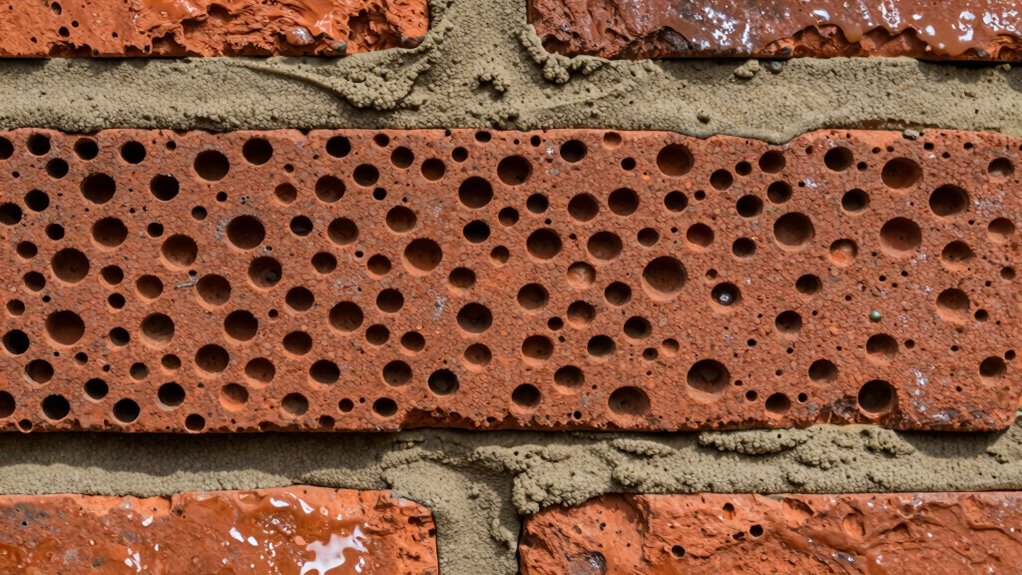
Brick and Masonry Spraying: The Porosity Trap Nobody Mentions
Narrow focus on coverage can overlook porosity issues, risking long-term damage; discover how to properly seal and protect brick and masonry surfaces.
Spraying Thick Latex Without Disaster: The Safe Workflow
How to spray thick latex safely and effectively—discover the essential steps to avoid disasters and achieve a perfect finish.