To stop orange peel in high-solids coatings, the key setup change is to adjust your spray pressure and fluid flow rate. Too much pressure or excessive flow can trap air and cause it to lift rolling out textured surfaces. Lowering pressure slightly and fine-tuning fluid settings helps produce a smoother, more even finish. Focusing on this adjustment can make a big difference, and exploring more tips can help you master a perfect glossy surface.

Get tools and workshop supplies delivered free — and shop member deals
- Fast, free delivery on millions of items
- Access to Prime Big Deal Days deals on October 6–7
- Prime Video, Amazon Music and more included
Key Takeaways
- Adjust your spraying pressure to ensure a proper atomization of the high-solids coating.
- Use a spray tip designed for thicker coatings to achieve a smooth, even spray pattern.
- Maintain a consistent spray distance and overlap to prevent buildup and surface imperfections.
- Thin the coating slightly if necessary to improve flow and reduce the risk of orange peel.
- Ensure proper surface preparation and environmental control to promote even drying and finish quality.

High-solids coatings are designed to deliver the same protective and aesthetic qualities as traditional paints but with less solvent content. This means you get a thicker, more durable film with fewer coats, which can save time and reduce environmental impact. However, achieving a smooth, professional finish with high-solids coatings requires attention to detail, particularly in application techniques and surface preparation. If you skip proper surface prep or rush your application, you risk ending up with an orange peel texture—an undesirable, bumpy surface that’s difficult to correct.
Before you even open a can of high-solids coating, you need to focus on surface preparation. This step is critical because these coatings are much thicker and more viscous than conventional paints. Start by cleaning the surface thoroughly to remove dirt, grease, or any contaminants that could prevent proper adhesion. If you’re working on metal, consider sanding the surface to create a good key for the coating. For wood, ensure it’s dry and sanded smooth, removing any rough patches or previous coatings that might cause unevenness. Properly preparing the surface ensures the coating flows evenly and adheres firmly, reducing the chances of defects like orange peel or pinholes.
Proper surface prep is essential for high-solids coatings to ensure smooth, durable finishes.
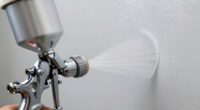
Application techniques are just as important as surface prep. Because high-solids coatings are thicker, they require careful handling to avoid trapping air or creating an uneven finish. Use the right tools—such as high-quality brushes, rollers, or spray equipment designed for thicker coatings—and pay attention to your technique. When spraying, maintain a consistent distance and overlap to ensure even coverage. For brushing or rolling, apply the coating in thin, even coats, avoiding heavy layers that can lead to runs or sags. The key is to work steadily and keep a wet edge, blending each pass seamlessly with the last. Additionally, understanding application techniques can significantly improve the final appearance.
Temperature and humidity also influence the application process. High-solids coatings tend to dry slower, so you need to work in conditions that won’t cause rapid drying or excessive moisture exposure. This helps prevent surface defects like orange peel, which often results when the coating dries unevenly or too quickly. If you’re aiming for a flawless finish, consider applying multiple thin coats rather than one thick coat. Each layer should be allowed to dry thoroughly before applying the next, which minimizes surface imperfections and promotes a smooth, glossy surface free of bumps.
As an affiliate, we earn on qualifying purchases.
Frequently Asked Questions
How Do High-Solids Coatings Impact Drying Times?
High-solids coatings can extend drying times because their thicker application requires more time to cure fully. To manage this, you should focus on thickness control, ensuring you don’t apply too much at once, and adjust your application speed accordingly. Slower application may be necessary to allow proper drying, preventing issues like orange peel. Monitoring drying times closely helps you optimize the process for a smooth, high-quality finish.
What Equipment Adjustments Are Needed for High-Solids Applications?
Think of equipment adjustments like tuning a fine instrument. You should calibrate your equipment to make certain proper flow and consistency. Select nozzles designed for high-viscosity coatings to prevent issues like orange peel. Fine-tune air pressure and fluid delivery, and consider using larger or specialized nozzles. These steps help you achieve a smooth finish and prevent defects, guaranteeing your high-solids coatings spray efficiently and evenly.
Are High-Solids Coatings More Environmentally Friendly?
Yes, high-solids coatings are more eco-friendly because they offer significant VOC reduction, which helps lower air pollution and meets stricter environmental regulations. By using less solvent, you reduce harmful emissions and waste, making your process more sustainable. This eco-friendly benefit not only helps protect the environment but also improves workplace safety and complies with industry standards, making high-solids coatings a smarter choice for environmentally conscious applications.
How Do High-Solids Coatings Affect Adhesion and Gloss?
You’ll find that high-solids coatings actually improve adhesion and gloss when applied correctly. Studies show they can increase gloss by up to 30%. To achieve this, focus on proper surface preparation and adjust coating viscosity accordingly. When you guarantee surfaces are clean and dry, and you optimize viscosity, you get better flow and leveling, resulting in a smoother, glossier finish with stronger adhesion.
What Safety Precautions Are Necessary When Applying High-Solids Coatings?
When applying high-solids coatings, you need to prioritize safety. Always wear personal protective equipment like masks, goggles, and gloves to prevent inhalation and skin contact. Guarantee proper ventilation requirements are met to reduce fumes and VOC exposure. Work in well-ventilated areas or use exhaust systems. Follow manufacturer guidelines carefully, and avoid open flames or sparks, as these coatings often contain flammable solvents.
Conclusion
By tweaking your setup, you’re steering your coating’s destiny away from the rough seas of orange peel. Think of it as planting a seed in perfect soil—small changes can blossom into a smooth, flawless finish. When you embrace these adjustments, you’re not just improving a coat; you’re sculpting a mirror-like surface that reflects your craftsmanship. Remember, sometimes a single setup shift is all it takes to turn a bumpy ride into a sleek, glassy journey.
Halloween Picks
halloween
As an affiliate, we earn on qualifying purchases.