
Mil thickness measures how thick plastic films or materials are, usually in thousandths of an inch. This measurement affects how strong, flexible, and durable the material is for your specific needs. Thicker films are stronger but less flexible, while thinner ones offer more stretch and ease of use. Knowing what mill thickness means helps you select the right product and avoid costly mistakes—there’s more to uncover that can help you make smarter choices.

Get business pricing on tools and workshop supplies
- Business-only prices and quantity discounts
- Tax-exempt purchasing
- Multiple users, one account, clear invoices
Key Takeaways
- Mil thickness measures material in thousandths of an inch, indicating its durability and flexibility.
- Knowing mil helps choose the right plastic film for specific applications, balancing strength and flexibility.
- Thicker mils mean more tear resistance and load capacity, crucial for heavy-duty projects.
- Accurate measurement ensures proper material selection, cost efficiency, and compliance with industry standards.
- Understanding mil prevents over- or under-specifying materials, saving money and reducing waste.
plastic film with specific mil thickness
As an affiliate, we earn on qualifying purchases.
As an affiliate, we earn on qualifying purchases.
What Is Mil Thickness and How Is It Measured?
Have you ever wondered how thickness is measured for materials like plastic sheeting or coatings? It all comes down to measuring standards that guarantee consistency across different products. Mil thickness is a unit of measurement that indicates how thick a material is, typically in thousandths of an inch. To determine this, manufacturers use precise tools like micrometers or gauges, following strict measuring standards to assure accuracy. Keep in mind, material variations—such as differences in manufacturing processes or raw materials—can influence the thickness. This means that two sheets labeled as the same mil thickness might have slight differences. Understanding these measurement methods helps you compare products accurately and select the right material for your needs. Incorporating knowledge of measurement accuracy can further improve your ability to choose suitable materials, especially when considering material specifications and their impact on project outcomes. Recognizing manufacturing tolerances is essential for ensuring your selections meet the necessary performance standards, and awareness of quality control processes can help you identify reliable products. Additionally, understanding piercing materials and their properties can assist in choosing the best jewelry for sensitive skin or healing purposes.
How Does Thickness Impact the Strength and Flexibility of Plastic Wraps and Tarps?
The thickness of plastic wraps and tarps directly influences their strength and flexibility. Thicker plastic film generally offers increased durability, making it better for heavy-duty applications. Conversely, thinner material provides more flexibility and ease of use. Consider these factors:
- Thicker plastic film enhances tear resistance and load-bearing capacity.
- Thinner options are more pliable, allowing for easier shaping around objects.
- Material properties change with thickness, affecting elasticity and stretchability. Understanding material properties can help you select the best plastic for your specific needs.
- The material composition of the plastic also plays a crucial role in determining its overall performance and suitability for various tasks.
- Additionally, knowing how manufacturing processes influence thickness can help you choose the most appropriate product for your application.
- The manufacturing process can also impact the uniformity and consistency of the plastic’s thickness, which is vital for specific uses.
- Being aware of quality control measures during production ensures you select products with reliable and consistent thickness levels.
Why Does Choosing the Right Mil Thickness Matter for Your Projects?
Choosing the right mil thickness guarantees your project has enough durability and protection against damage. It also helps you balance costs and material usage effectively. Making the right choice can save you time, money, and hassle down the line. Considering material specifications ensures you select the most suitable thickness for your specific needs.
Durability and Protection
Selecting the right mil thickness is essential because it directly impacts the durability and protection your project will need. A thicker film offers better resistance to tears, punctures, and environmental stressors, ensuring longer-lasting results. Consider these factors:
- Heavier mils provide enhanced protection against physical damage.
- Thinner films may be suitable for short-term or less demanding applications.
- Ideal thickness reduces the need for frequent replacements, saving resources.
- The manufacturing processes and environmental impact influence the choice—thicker films often require more energy but offer increased longevity.
Cost and Material Efficiency
Opting for the right mil thickness can substantially impact your project’s overall cost and material efficiency. Thicker materials generally cost more upfront, increasing your material cost, but they may reduce the need for frequent replacements or repairs. Conversely, choosing a thinner film saves money initially but might lead to higher long-term expenses if it wears out quickly. Understanding the manufacturing process is key, as it determines how efficiently materials are produced and used. Using the ideal mil thickness ensures you don’t overpay for excess material or compromise durability. By balancing thickness with your project’s specific needs, you maximize material efficiency and control costs, ultimately leading to better resource management and more successful project outcomes. Considering Free Floating techniques can also help optimize the installation process for maximum longevity.
Common Uses for Different Mil Thicknesses in Packaging and Coverings
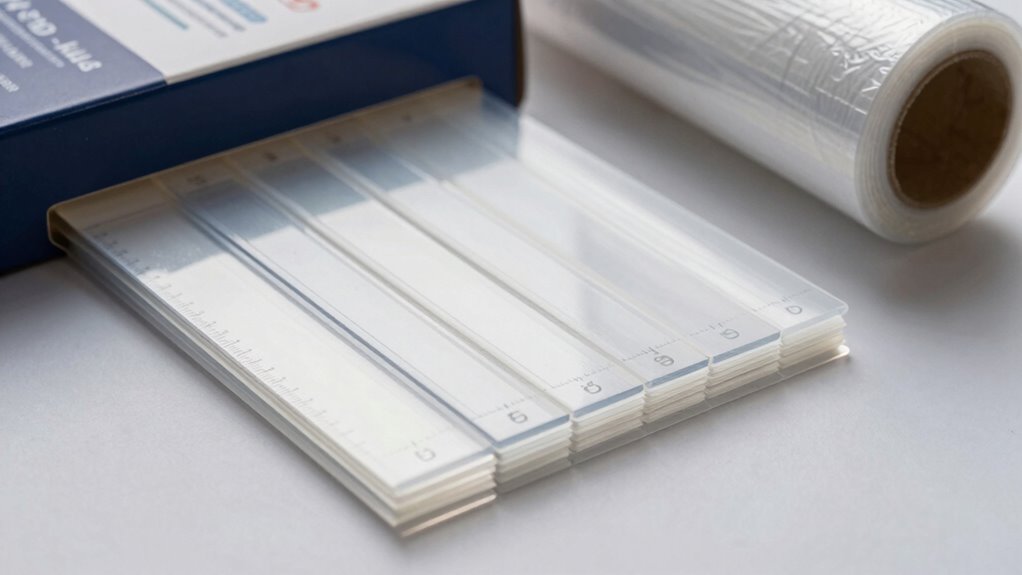
Have you ever wondered why different mil thicknesses are used for packaging and coverings? The answer lies in their specific applications. For example, ventilation considerations can influence the choice of material thickness to ensure proper airflow and safety. Additionally, selecting the appropriate mil thickness can help optimize cost efficiency and material performance based on the intended use. Thicker films often provide increased protection against punctures and tears, which is essential for maintaining product integrity during handling and transit. 1. Light-duty wrapping, like produce bags, often uses thinner film (~1-2 mils). 2. Heavy-duty packaging, such as industrial pallets, requires thicker material (3-6 mils) for durability. 3. Art conservation uses ultra-thin, specialized films (around 1 mil) to protect delicate artworks without damage. 4. Medical applications depend on precise mil thicknesses for sterile covers or barriers, usually between 1-3 mils, ensuring safety and protection.
How to Choose the Right Mil Thickness for Your Needs

Choosing the right mil thickness depends on understanding your specific needs for protection, flexibility, and cost. If you require high plastic durability, opt for thicker films, which provide stronger barriers against punctures and tears. However, thicker materials tend to be less flexible, making them harder to mold or conform to irregular surfaces. For applications needing more material flexibility, such as wrapping delicate items or creating flexible coverings, thinner films are ideal. Keep in mind that thinner plastics may offer less durability but can be more cost-effective and easier to handle. Assess your priorities carefully—whether it’s maximizing durability or ensuring flexibility—to select the appropriate mil thickness that balances performance and budget. Additionally, understanding plastic film properties can help you make more informed choices tailored to your specific project needs, especially when considering material flexibility and its impact on usability.
Mil Thickness vs. Gauge and Microns: What’s the Difference?
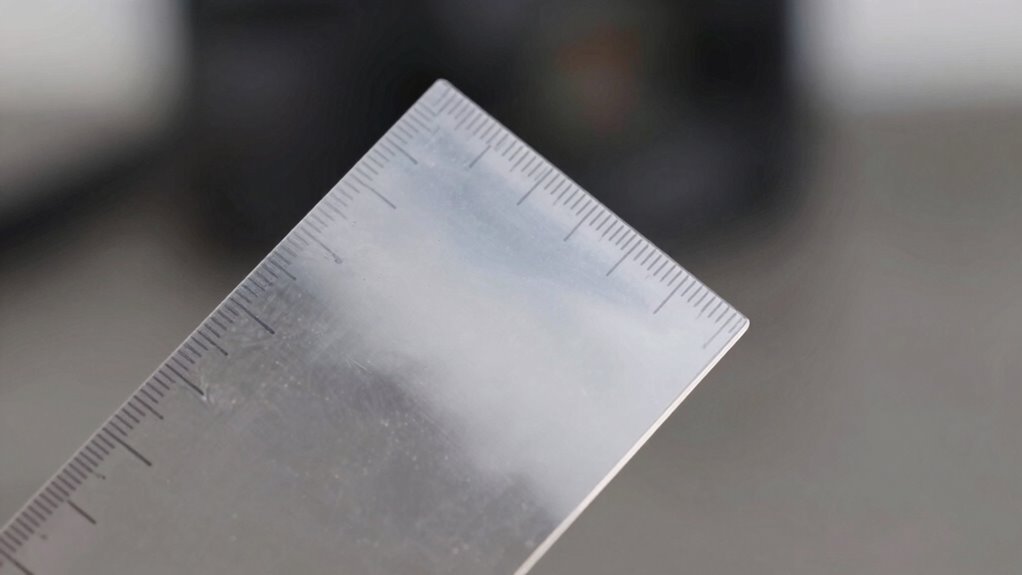
Understanding the differences between mil thickness, gauge, and microns is essential when selecting the right plastic film for your project. Mil thickness measures the film’s overall thickness, affecting plastic durability and material flexibility. Gauge is often used interchangeably with mil but typically refers to metal or thicker plastics, which can be confusing. Microns measure the thickness in metric units, providing a precise understanding of film dimensions. Here’s how they compare:
Understanding mil, gauge, and microns ensures accurate plastic film selection for your project.
- Mil: Common in the U.S., 1 mil equals 0.001 inches, often used for packaging.
- Gauge: Varies by industry; thicker gauges mean more durable but less flexible. Recognizing industry standards for gauge can help in making better material choices.
- Micron: 1 micron equals 0.000039 inches, offering high accuracy for thickness.
- Practical Impact: Thicker measurements increase durability but reduce flexibility, essential for your material choice. Being aware of these measurements can also aid in cost estimation and procurement processes.
Additionally, understanding these measurements helps optimize material selection for your specific application, ensuring the right balance between strength and flexibility. Recognizing the measurement units involved can also help prevent costly errors in manufacturing or procurement.
How to Read and Understand Mil Thickness Labels on Packaging

Reading mil thickness labels on packaging is straightforward once you know what to look for. The label usually shows a number followed by “mil,” indicating the film’s thickness. This measurement affects plastic durability and material flexibility; thicker films tend to be more durable but less flexible. To interpret labels easily, compare the mil value to your needs. Here’s a quick guide:
| Mil Thickness | Plastic Durability | Material Flexibility |
|---|---|---|
| 1-2 mil | Less durable, flexible | Very flexible |
| 3-4 mil | Moderate durability, flexible | Flexible |
| 5-6 mil | More durable, less flexible | Slightly stiff |
| 7-10 mil | Very durable, stiff | Less flexible |
| 11+ mil | Heavy-duty, stiff | Rigid |
Knowing these helps you select the right packaging for your project. Vetted – Dri Dri Gelato and understanding mil thickness labels can ensure you make informed choices. Being aware of material properties like flexibility and durability is essential for selecting appropriate packaging. Additionally, understanding halal standards for food packaging can help ensure compliance with dietary laws when choosing packaging materials.
Saving Money and Reducing Waste by Picking the Proper Mil Thickness
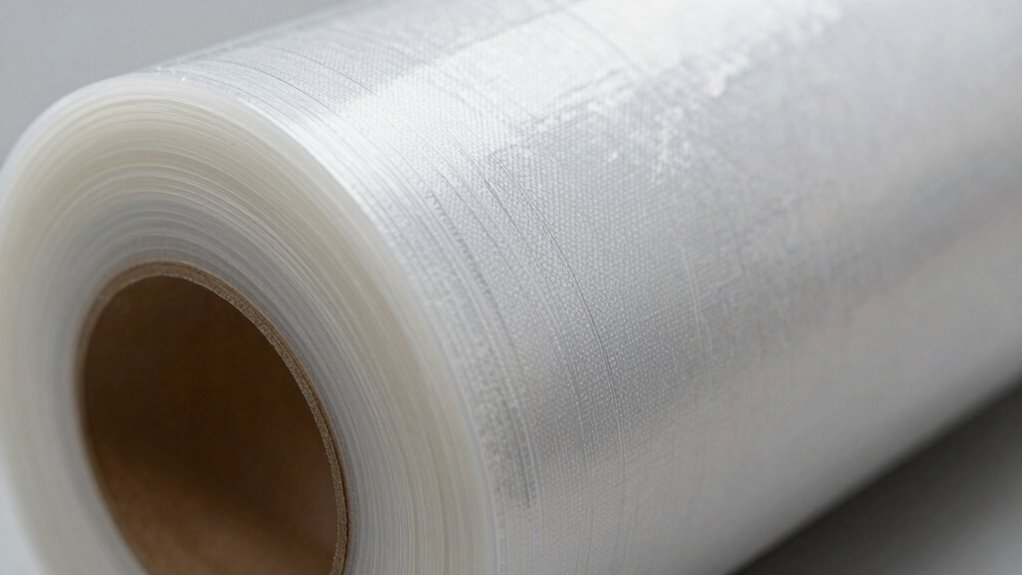
Have you ever spent more money on packaging than necessary? Choosing the right mil thickness helps you save money and reduces waste. Here’s how:
- Select the appropriate thickness to avoid overpaying for unnecessary durability.
- Minimize material waste by preventing excess packaging.
- Lower environmental impact by reducing the amount of material sent to landfills.
- Enhance recycling considerations by choosing thinner options that are easier to process.
Frequently Asked Questions
Are Thicker Plastic Films Always More Durable?
Thicker plastic films generally offer better plastic durability, but that doesn’t mean they’re always more durable in every situation. The film’s flexibility also matters — a thicker film might be rigid and prone to cracking, while a thinner one can bend and stretch without breaking. So, consider both thickness and flexibility when choosing a plastic film, as they directly impact its overall durability and performance.
How Does Climate Affect the Choice of Mil Thickness?
Climate considerations play a vital role in choosing mil thickness, as temperature fluctuations can impact material flexibility. For example, in colder environments, thinner films may become brittle, risking cracks or tears, while thicker films maintain durability. Conversely, in hot climates, thicker materials can resist warping. Recognizing these factors helps you select the right mil thickness to guarantee ideal performance and longevity in varying weather conditions.
Can Thinner Films Still Provide Adequate Protection?
Yes, thinner films can still offer adequate protection, especially if they maintain film flexibility and quality. They often provide cost considerations, making them a budget-friendly option. Keep in mind, however, that very thin films may be less durable in extreme conditions, so balance your needs for protection and flexibility. Choose a film thickness that suits your specific application, climate, and budget for ideal results.
Is There a Standard Mil Thickness for Food Packaging?
Yes, there is a standard mil thickness for food packaging, typically ranging from 0.5 to 4 mils, depending on the application. You should be aware of plastic standards and packaging regulations that specify these thicknesses to guarantee safety and compliance. Thicker films often provide better protection, but regulations help balance safety, durability, and material efficiency, so always check the specific standards relevant to your product to meet legal requirements.
How Do I Measure Mil Thickness at Home Accurately?
To measure mil thickness at home accurately, you should use precise measuring techniques with home tools like a micrometer or caliper. First, cut a small sample of the material, then place it between the measuring device’s jaws. Carefully read the measurement, ensuring you’re perpendicular to avoid errors. Regularly calibrate your tools for better accuracy, and always handle samples gently to prevent distortion.
Conclusion
Choosing the right mil thickness is like finding the perfect brushstroke for your masterpiece — it guarantees your project is strong, flexible, and just right. Don’t let thin, flimsy wraps leave you vulnerable, or overspend on layers you don’t need. By understanding what mil thickness means, you can confidently select materials that protect your assets like a sturdy shield, saving money and waste along the way. Your project’s success depends on making the right thickness choice — so choose wisely.
Halloween Picks
halloween
As an affiliate, we earn on qualifying purchases.