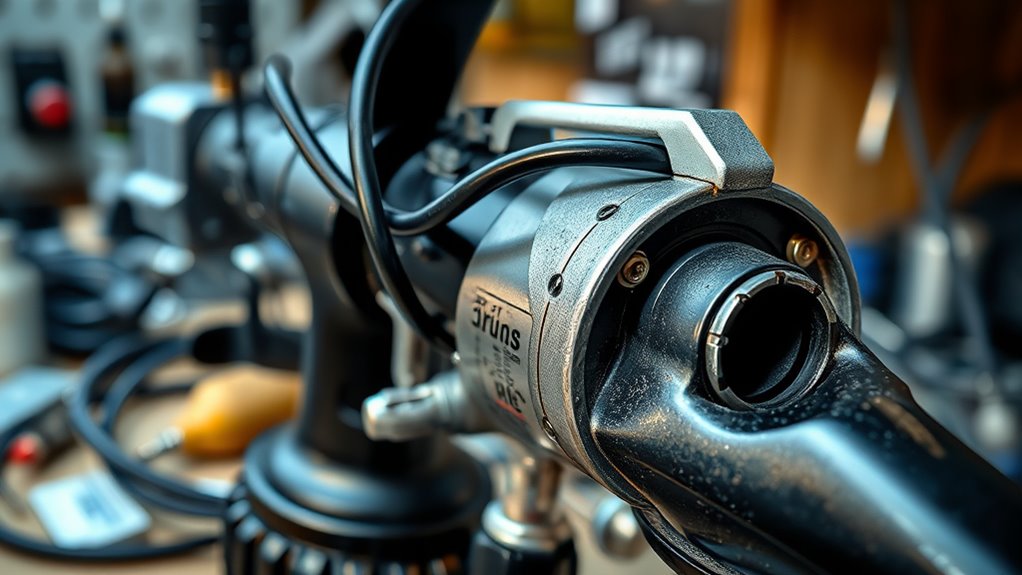

If your electric paint sprayer won’t turn on, start by inspecting the power cord for visible damage or internal breaks, testing it in different outlets to verify the power source works. Check that the switch is functioning correctly and that the circuit board isn’t damaged. Make sure the outlet provides consistent power. If these steps don’t work, there’s more to explore—continue for detailed fixes to get your sprayer back in action.
Key Takeaways
- Check the power cord for visible damage or internal breaks using a multimeter or by testing in different outlets.
- Ensure the power switch is functioning properly and not stuck or corroded.
- Test the outlet with another device to confirm it supplies power reliably.
- Inspect vents and cooling areas for dust or debris that could cause motor overheating and prevent startup.
- Consider professional repair if internal circuit boards or switches are suspected to be faulty.
If your electric paint sprayer isn’t working properly, troubleshooting can quickly identify the problem and get you back on track. One common issue that causes a sprayer to refuse to turn on is power cord problems. First, check the power cord thoroughly for any visible damage, such as cuts, frays, or burns. Sometimes, the cord may appear fine but still have internal breaks that prevent electricity from reaching the motor. To test this, try plugging the sprayer into a different outlet or use a multimeter to check for continuity. If the cord is damaged, replacing it can often resolve the issue. Additionally, ensure the plug is securely inserted into the outlet—loose connections can prevent power flow. Also, verify that the outlet itself is functioning properly by testing it with another device.
Another electrical concern that can prevent your sprayer from turning on is motor overheating. If you’ve been using the sprayer for an extended period or the motor has been working under heavy load, it might have overheated and shut down as a safety feature. When this happens, the motor may not start until it cools down. To address this, unplug the device and allow the motor to cool for at least 30 minutes. Check if there’s any dust or debris blocking ventilation vents, as these can trap heat and lead to overheating. Cleaning the vents and ensuring proper airflow can prevent future overheating issues. Once cooled, try turning on the sprayer again. If it still doesn’t start, the motor might have sustained internal damage or a thermal fuse may have blown, requiring professional repair or replacement.
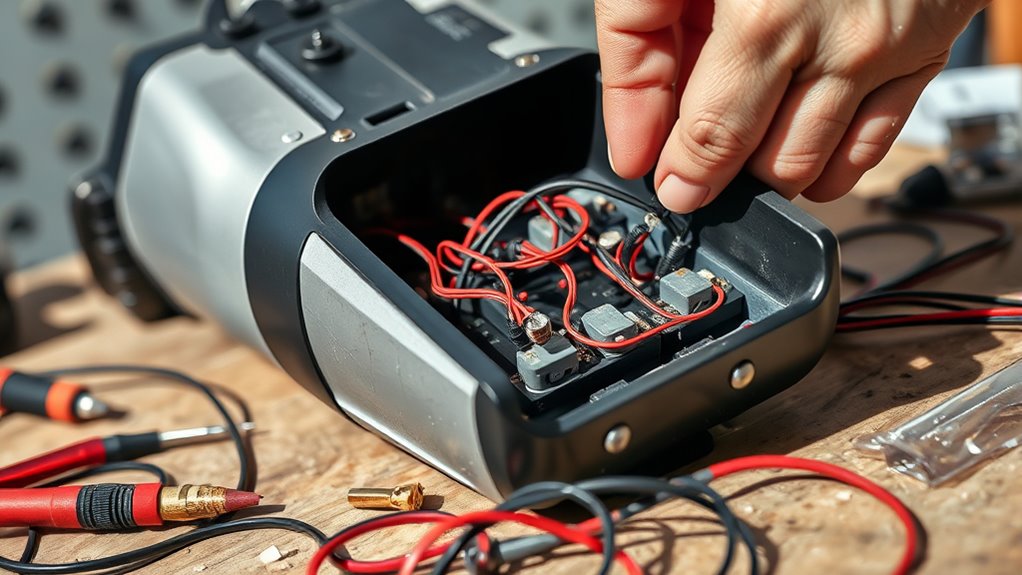
Other electrical issues include faulty switches or circuit boards, which can be tricky to diagnose without technical knowledge. If you’ve eliminated power cord issues and motor overheating as causes, and the sprayer still won’t turn on, consider inspecting the power switch for signs of damage or corrosion. Sometimes, the switch may be stuck or no longer making a proper connection. In some cases, internal circuit components may have failed, especially if the device has been used extensively or subjected to power surges. If you’re comfortable working with electrical components, you can open the casing and examine these parts, but if not, it’s best to seek professional repair. Additionally, consulting professional repair services can save time and ensure safety when dealing with complex electronic components.
Frequently Asked Questions
Can a Blown Fuse Cause My Paint Sprayer Not to Turn On?
Yes, a blown fuse can cause your paint sprayer not to turn on. When this happens, you should perform fuse replacement and circuit testing to identify the issue. Check the fuse for any visible signs of damage and replace it if necessary. Testing the circuit ensures there are no underlying electrical problems. Once you replace the blown fuse and confirm the circuit is functioning properly, your sprayer should power on again.
Is It Safe to Repair an Electrical Issue Myself?
Before you plunge into DIY electrical repairs, ponder the peril involved. Personal safety should be your top priority, so always follow safety precautions, like disconnecting power and wearing protective gear. While minor fixes might seem manageable, complex electrical issues can pose serious risks. If you’re unsure or inexperienced, it’s safest to seek professional help. Prioritizing safety precautions guarantees you avoid accidents and electrical mishaps.
How Do I Reset the Circuit Breaker for My Sprayer?
To reset the circuit breaker for your sprayer, locate your electrical panel and identify the breaker labeled for the sprayer or related circuit. Perform a circuit breaker reset by flipping the switch to the OFF position, then back to ON. During electrical panel troubleshooting, verify the breaker is fully engaged and not tripped. If it trips again, you might need to check for underlying electrical issues or consult a professional.
Could a Faulty Power Cord Prevent My Sprayer From Working?
You might worry about costly repairs, but a faulty power cord could be the culprit. Start with a thorough power cord inspection to see if it’s damaged or frayed. Then, perform electrical connection checks to verify everything’s properly plugged in. A damaged cord can cut off power, preventing your sprayer from functioning. Don’t overlook this simple fix — it could save you time and money before considering more complex issues.
What Are Signs of Internal Electrical Component Damage?
You might notice signs of internal electrical component damage if your paint sprayer shows inconsistent power or sudden shutdowns. Check for burnt smells or visible damage to internal wiring and the circuit board. If the circuit board appears scorched or wires are frayed or disconnected, it indicates damage. These issues disrupt the flow of electricity, preventing your sprayer from functioning properly. Always disconnect power before inspecting internal components.
Conclusion
When your electric paint sprayer refuses to turn on, think of it as a puzzle waiting to be solved. By checking the power source, inspecting the cord, and resetting the switch, you’re the key to reigniting its spark. Remember, every problem has a solution—like dawn breaking after night. With patience and a little troubleshooting, you’ll soon bring your project back to life, turning a silent tool into a roaring artist ready to paint your masterpiece.
Franz came aboard the Paint Sprayer Zone team with a background in both journalism and home renovation. His articulate writing style, combined with a passion for DIY projects, makes him an invaluable asset. Franz has a knack for breaking down technical jargon into easy-to-understand content, ensuring that even the most novice of readers can grasp the complexities of paint sprayers.