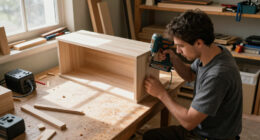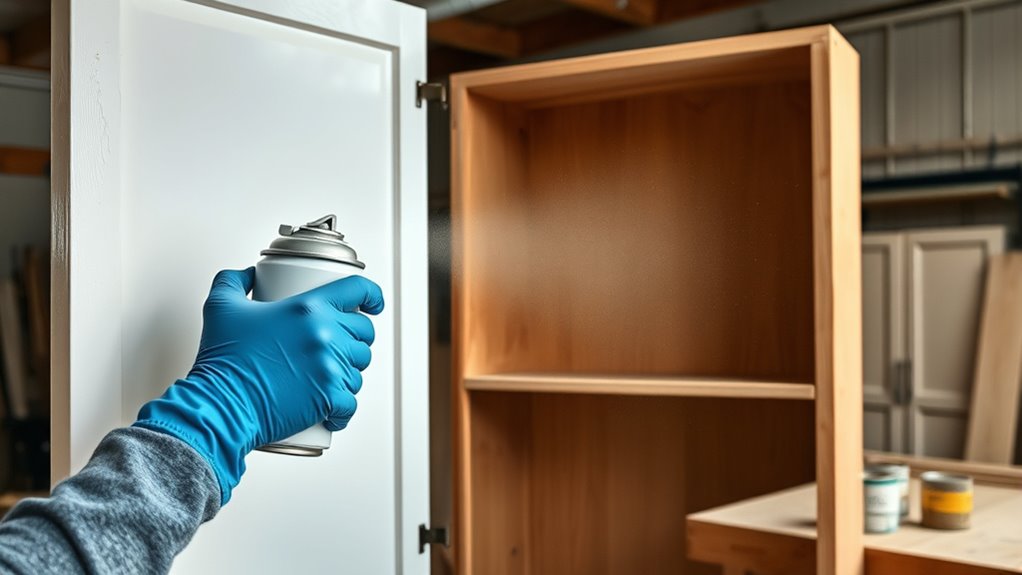

To spray the backs of bookcases and cabinets, start by protecting surrounding areas with drop cloths and ensuring good ventilation. Prep your spray equipment by testing the pattern and flow on scrap material, keeping the gun about 8-12 inches from the surface. Use smooth, overlapping passes with steady, even movements to achieve a uniform coat. For more tips on mastering spray techniques and achieving a flawless finish, keep exploring the detailed steps ahead.

Get tools and workshop supplies delivered free — and shop member deals
- Fast, free delivery on millions of items
- Access to Prime Big Deal Days deals on October 6–7
- Prime Video, Amazon Music and more included
Key Takeaways
- Cover surrounding areas and furniture with drop cloths to protect from overspray before starting.
- Use a high-quality spray gun or aerosol for even coating on large, flat bookcase backs.
- Maintain a consistent distance of 8–12 inches from the surface while spraying for uniform coverage.
- Use smooth, overlapping passes with steady motion to prevent drips and achieve a flawless finish.
- Clean and disassemble spray equipment thoroughly after use to ensure proper function for future projects.

Spraying the backs of bookcases and cabinets is an efficient way to achieve a smooth, professional finish. When you’re tackling this task, understanding the right brush techniques and choosing suitable spray equipment types make all the difference. Proper brush techniques involve using smooth, even strokes to ensure the paint or finish is applied uniformly, especially around edges and corners. You want to avoid heavy buildup or streaks, so keep your brush loaded just enough and work steadily to maintain consistency. In tight spots or detailed areas, a high-quality angled brush can help you reach corners and edges precisely, giving you control over the finish.
Use smooth, even strokes with brushes for a flawless finish on bookcases and cabinets.
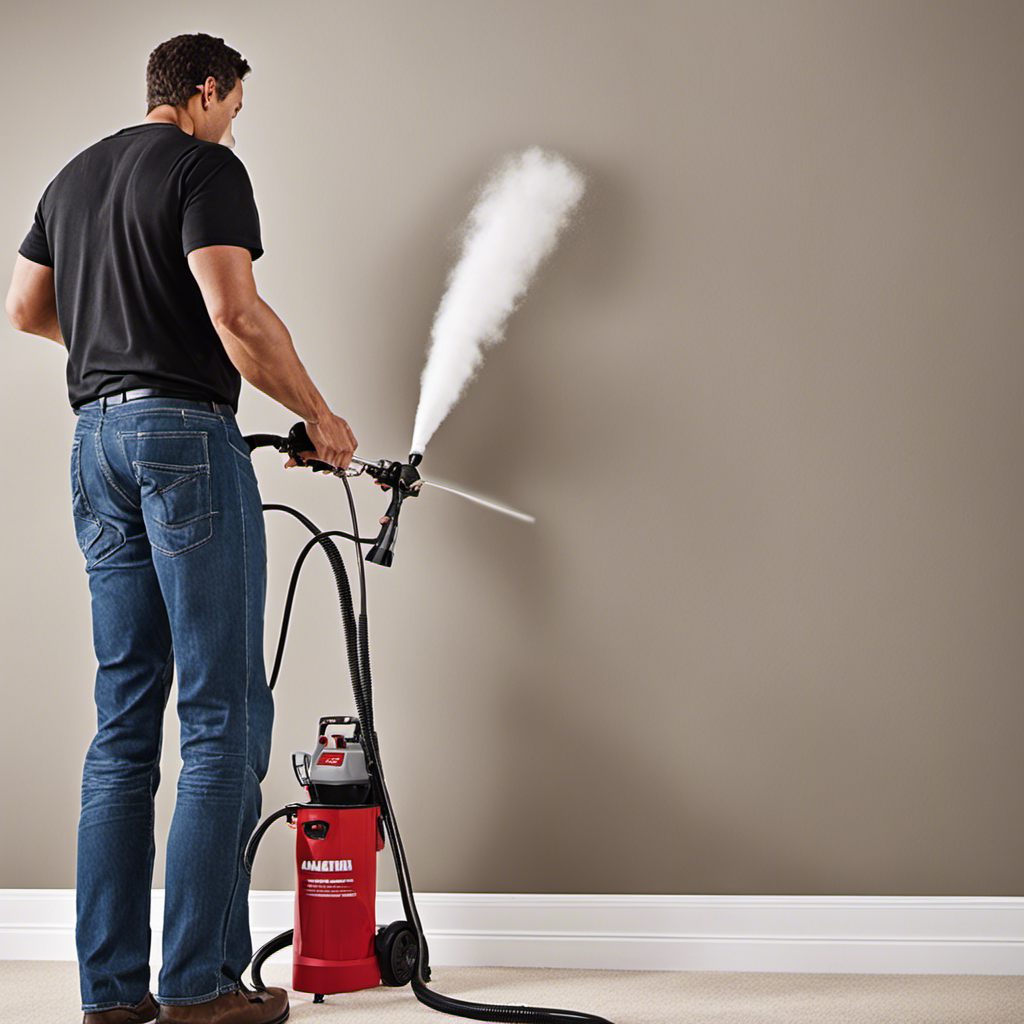
However, for larger, flat surfaces like the backs of bookcases and cabinets, spray equipment is often the preferred choice because it provides a faster, more even coat. When selecting spray equipment types, you have options ranging from handheld spray cans to professional-grade airless sprayers. For smaller projects or touch-ups, a good-quality aerosol spray can might suffice, but for larger or more frequent jobs, investing in an airless sprayer is worthwhile. Airless spray guns deliver a high volume of paint at high pressure, allowing you to cover broad surfaces quickly while maintaining an even application. They also reduce the risk of brush marks and roller stippling, giving you a sleek, professional look.
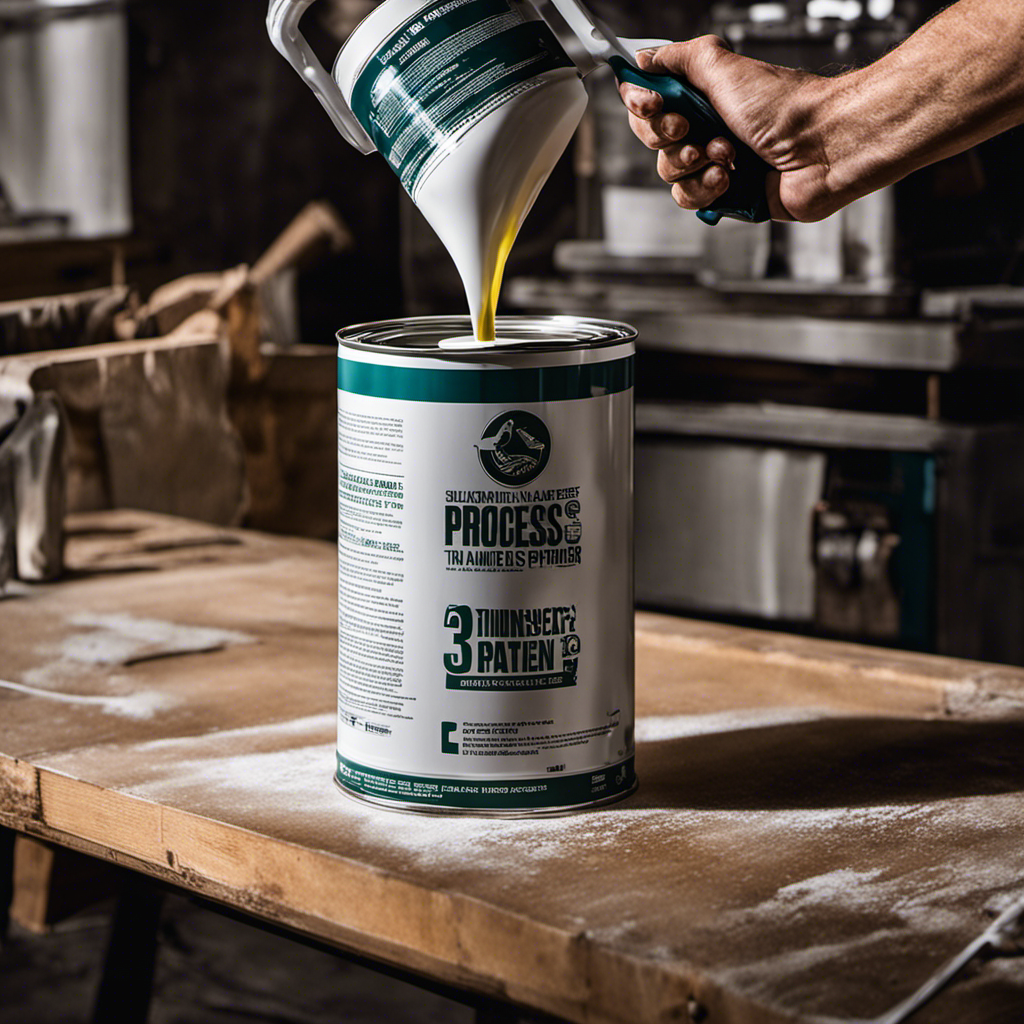
Before you start, prepare your workspace carefully. Cover nearby furniture and floors with drop cloths, and ensure proper ventilation. Fill your spray gun or can with the appropriate finish, and test it on scrap material to dial in the spray pattern and flow rate. When spraying, keep the gun perpendicular to the surface and maintain a consistent distance—usually about 8 to 12 inches—to avoid uneven coverage. Use smooth, overlapping passes, moving steadily across the surface. Don’t rush; patience ensures a uniform coat without drips or runs.
Cleaning your spray equipment after use is equally important. Disassemble and thoroughly wash parts to prevent clogging and ensure your equipment remains in good condition for future projects. Additionally, understanding the different equipment types and their specific advantages can help you select the best tool for your project. Remember, mastering spray techniques and selecting the right equipment types saves you time and effort while producing a flawless finish on the backs of your bookcases and cabinets. With a bit of practice, you’ll achieve professional results that enhance the look of your furniture with minimal fuss.
high-quality spray gun for furniture
As an affiliate, we earn on qualifying purchases.
As an affiliate, we earn on qualifying purchases.
Frequently Asked Questions
What Types of Paint Are Best for Spraying Cabinet Backs?
For spraying cabinet backs, you want to choose high-quality, durable paint suited for spray application. Acrylic or latex paints work well because they dry quickly, are easy to apply, and provide a smooth finish. If you need a more durable or glossy look, consider using a spray-compatible enamel or semi-gloss paint. Always guarantee the paint is formulated for spray application to achieve a professional, even coat without drips or brush marks.
How Do I Prevent Drips and Runs During Spraying?
To prevent drips and runs when spraying, you should use smooth, even brush techniques to prep edges and touch up as needed. Keep your spray equipment well-maintained by regularly cleaning and checking for clogs or loose parts. Adjust your spray distance and pressure to avoid over-application, and apply thin coats, allowing each layer to dry before adding the next. This guarantees a flawless finish without drips or runs.
Can I Spray on Old, Worn-Out Cabinet Backs?
Yes, you can spray on old, worn-out cabinet backs, but you should prepare them first. Use proper refinishing techniques like cleaning, sanding, and priming to guarantee the spray adheres well. If the surface is too damaged, consider alternative finishing options like staining or applying a special primer. This approach will give you a smooth, durable finish and restore the appearance of your cabinets effectively.
What Safety Gear Should I Wear When Spraying?
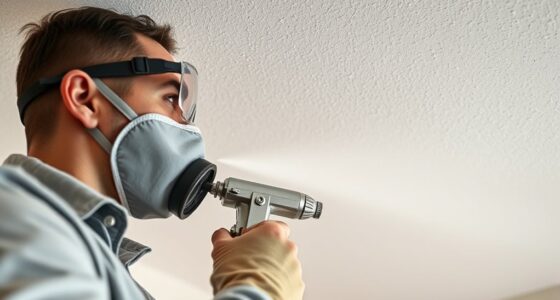
When spraying, you should wear protective clothing to shield your skin from fumes and overspray. Always use ventilation masks to protect your lungs from harmful fumes and particles. Consider gloves and goggles for added safety. Make certain you’re in a well-ventilated area to minimize inhalation risks. Wearing the right safety gear keeps you safe and helps you achieve a professional finish without health concerns.
How Should I Prepare the Surrounding Area for Spraying?
You should start by removing dust and debris from the area, so do dust removal and surface cleaning thoroughly. Cover nearby furniture and flooring with drop cloths or plastic sheeting to safeguard them from overspray. Clear the workspace of anything that could get in the way, and ensure good ventilation. This prep helps you spray smoothly and keeps the environment clean and safe.
Conclusion
Now you know how to beautifully boost your bookcases and cabinets with a smooth spray. With careful prep, consistent coats, and a steady hand, you’ll create a captivating, colorful finish that’s truly exceptional. Don’t forget to patiently pause for drying, and your project will be perfectly poised for presentation. So, get ready to showcase your skills, surprise with style, and transform your space with a simple spray! Your stunning, spruced-up shelves are just a spray away.
Fall yard work Picks
leaf blowers
As an affiliate, we earn on qualifying purchases.