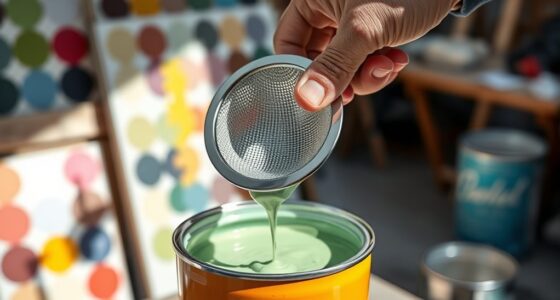
Leaving paint in your sprayer overnight isn’t recommended, as it can cause clogs, dried paint buildup, and damage to internal parts. This makes future cleanup harder and can lead to uneven spray patterns or malfunctioning equipment. Proper cleaning after each use is key to keeping your sprayer in good shape. If you want to learn effective cleaning tips and how to prevent issues, keep going to find out more.
Key Takeaways
- Leaving paint in the sprayer overnight can cause clogs and internal buildup.
- Dried paint inside the sprayer can damage components and hinder future use.
- Proper cleaning after each use prevents paint from drying and causing issues.
- Water-based paints are easier to clean, but still should not be left in the sprayer overnight.
- For oil-based paints, use paint thinners and clean thoroughly to avoid damage if left overnight.
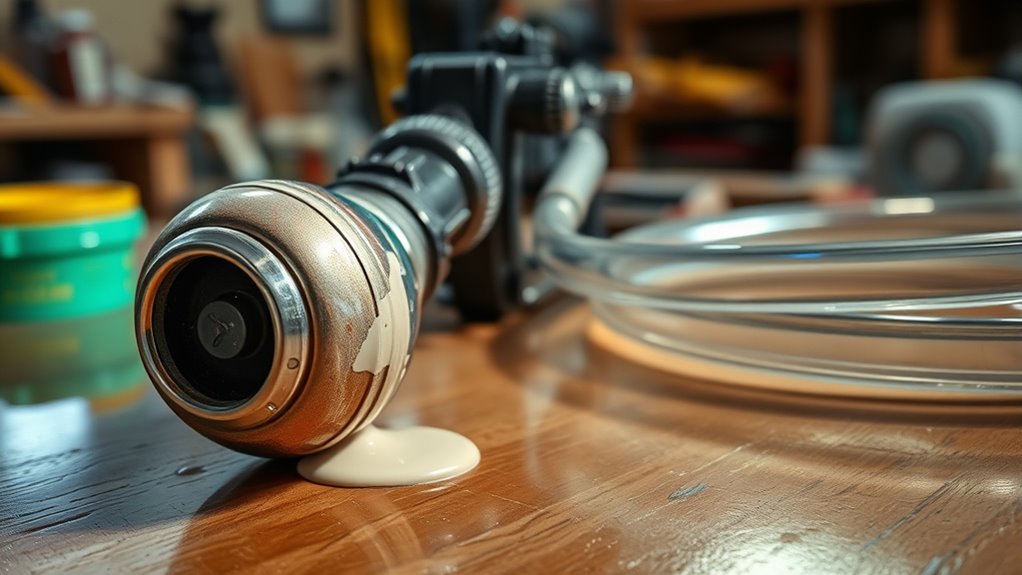
Wondering if you can leave paint in your sprayer overnight? The short answer is usually no, and it’s best to clean your sprayer after each use. Leaving paint sitting in the equipment can cause clogs, make cleanup more difficult, and potentially damage the sprayer itself. If you’re considering leaving paint in the sprayer overnight, it’s important to understand how it affects your tools and what steps you might take to mitigate issues.
When you don’t clean your sprayer properly, paint can dry inside the nozzle, the wand, and other internal parts. This buildup makes it harder to spray smoothly and can cause uneven application or blockages the next time you use it. To prevent this, you should perform thorough brush cleaning after your painting session. Using the right tools, like brushes and cleaning brushes designed for sprayers, helps remove excess paint from the nozzle and other components. For stubborn paint residues, especially with oil-based paints, paint thinners are highly effective. They dissolve dried or semi-dried paint, making it easier to flush out the system. Remember, always use paint thinners in a well-ventilated area, and follow safety instructions on the product label.
If you absolutely must leave paint in your sprayer overnight, consider using a cleaning method that minimizes drying. Some professionals fill the sprayer with a cleaning solution or paint thinner and keep it sealed. This creates a temporary barrier that prevents the paint from drying out inside. However, this approach isn’t foolproof and still requires thorough cleaning before the next use. Also, note that some paints, especially latex or water-based paints, tend to be easier to clean and less likely to cause issues if left in the sprayer briefly—though it’s always safer to clean promptly.
Ultimately, the best practice is to clean your sprayer thoroughly after each use. This includes disassembling the parts, rinsing everything with water or appropriate solvents, and performing brush cleaning to remove residual paint. If you’re dealing with oil-based paints, use paint thinners to ensure all remnants are dissolved. Taking these steps saves you time and money by extending the lifespan of your sprayer and ensuring optimal performance on your next project. Leaving paint in the sprayer overnight is generally not recommended, but with proper cleaning and care, you can minimize problems if circumstances require it.
Frequently Asked Questions
Does the Type of Paint Affect Overnight Storage?
Yes, the type of paint affects overnight storage. Oil-based paints tend to have a longer shelf life and can be stored in airtight storage containers, but water-based paints may dry out or separate if left out too long. You should always seal the paint in a proper container to prevent spoilage. Proper storage helps maintain your paint’s quality and extends its shelf life, saving you time and money on future projects.
How Do Temperature and Humidity Impact Paint in a Sprayer?
Think of your sprayer as a delicate plant needing just the right environment. If temperature’s too hot or cold, paint evaporation speeds up or slows down, affecting consistency. Humidity causes moisture buildup, which can ruin your paint. Keep the sprayer in a stable, moderate climate to prevent these issues. Proper storage guarantees your paint stays fresh, preventing clogs and spoilage, so your project stays smooth and successful.
Can Leftover Paint Cause Clogs if Left Overnight?
Leftover paint can cause clogs if left overnight, as it may experience paint separation, leading to uneven flow and nozzle blockages. As the paint sits, solids can settle, making it harder to spray smoothly. To prevent this, clean your sprayer thoroughly after each use. If you must leave paint overnight, stir it well before resuming to minimize separation and reduce the risk of nozzle blockages.
Is It Safe to Leave Solvent-Based Paint in the Sprayer?
Think of your sprayer as a delicate garden—leaving solvent-based paint in it overnight is like neglecting to water your plants. It’s not safe because the solvent can damage seals and cause clogs, making sprayer maintenance tougher. Always empty the paint container and clean your sprayer thoroughly after use. This keeps your equipment in top shape, ensuring smooth operation and extending its lifespan for future projects.
What Are the Best Methods to Clean the Sprayer After Overnight Use?
To clean your sprayer after overnight use, start with thorough cleaning methods like running water or solvent, depending on the paint type. Disassemble parts for detailed cleaning and use a brush to remove residual paint. Store the sprayer properly by emptying, rinsing, drying, and covering it with a protective cap. These storage techniques prevent clogging and make certain your sprayer stays in good condition for future projects.
Conclusion
So, is leaving paint in your sprayer overnight a good idea? It depends on the type of paint and your sprayer’s instructions. While it might be tempting to save time, you risk clogs or dried paint that could ruin your equipment. Think about it—aren’t your tools worth a little extra effort to keep them in top shape? Taking a few minutes to clean your sprayer now can save you headaches later.
Franz came aboard the Paint Sprayer Zone team with a background in both journalism and home renovation. His articulate writing style, combined with a passion for DIY projects, makes him an invaluable asset. Franz has a knack for breaking down technical jargon into easy-to-understand content, ensuring that even the most novice of readers can grasp the complexities of paint sprayers.