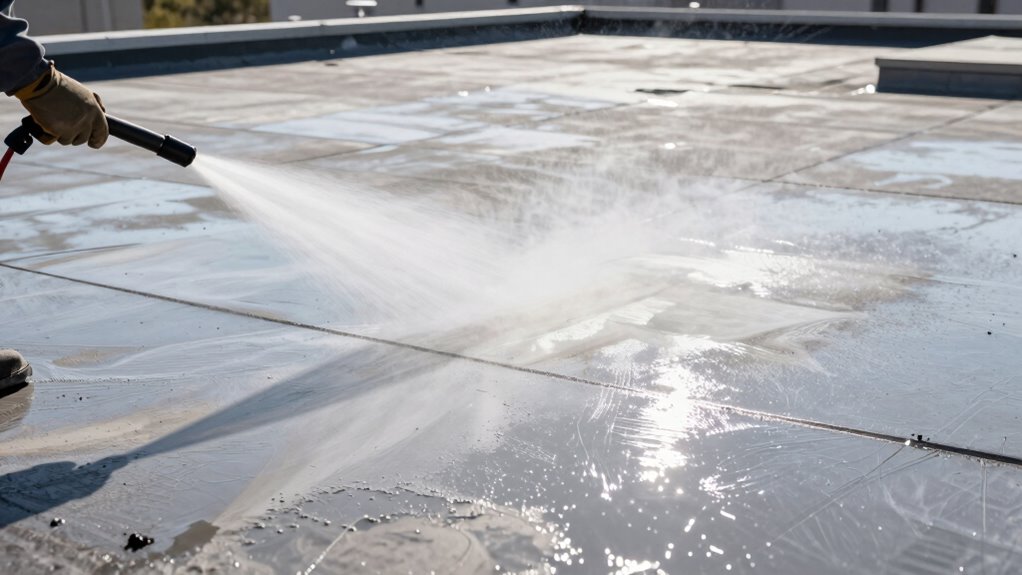

When spraying roof coatings, wind can blow material off course, creating overspray and uneven coverage, while high temperatures cause rapid drying that affects adhesion. Cold or humid conditions slow drying, risking pooling or runs. To get the best results, you should plan to spray on calm, stable days and adjust your equipment settings for the environment. Staying aware of how weather impacts spray efficiency guarantees durable, professional results—you’ll uncover more tips if you keep exploring.

Get business pricing on tools and workshop supplies
- Business-only prices and quantity discounts
- Tax-exempt purchasing
- Multiple users, one account, clear invoices
Key Takeaways
- Wind increases spray drift, causing uneven coverage and material waste during roof coating application.
- Calm weather conditions are crucial to minimize drift and ensure precise, uniform coating application.
- High temperatures accelerate drying, risking uneven finish, while cold/humid weather delays drying and causes pooling.
- Proper equipment settings—nozzle size and pressure—must be adjusted according to environmental conditions for optimal results.
- Monitoring weather forecasts and timing spraying during stable conditions improves coverage, reduces waste, and enhances coating durability.

Are you looking for an effective way to extend the life of your roof and improve energy efficiency? Roof coating spraying might be just what you need, but it’s essential to understand how spray equipment and weather conditions impact the process. Proper preparation and awareness can make the difference between a successful application and wasted effort. When you’re using spray equipment, it’s crucial to consider how weather conditions can affect the spray pattern, coverage, and overall quality of the coating. Wind, in particular, can cause significant drift, leading to uneven coverage and overspray that wastes material and creates a mess. If the wind picks up during your application, the spray can be blown off course, causing you to miss spots or coat areas unintentionally. This not only reduces the effectiveness of the coating but also increases your work time as you try to fix or touch up missed areas.
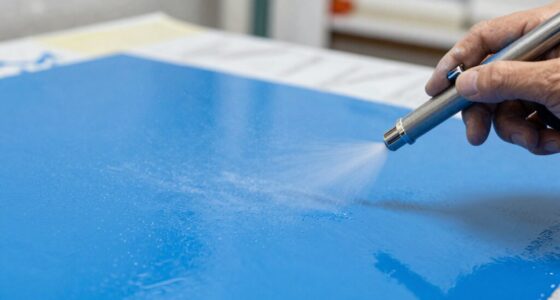
Wind can cause spray drift, leading to uneven coverage and material waste.
Temperature and humidity also play vital roles. High temperatures can cause the coating to dry too quickly, leading to uneven application or poor adhesion. Conversely, cold or humid conditions can slow drying times and cause the coating to pool or run, which compromises the finish and durability. Before starting, check the weather forecast and plan your spraying when conditions are as stable as possible. The right weather guarantees that your spray equipment functions efficiently and that the coating bonds properly to the roof surface. Additionally, understanding environmental factors can help you better anticipate how conditions might change during application, ensuring a more consistent finish.
Your spray equipment itself needs to be in top shape. Using the right nozzle size and pressure settings helps control spray drift and ensures even coverage. A nozzle that’s too large or pressure that’s too high can produce a fine mist that’s easily affected by wind, increasing drift and waste. Conversely, too low pressure or a small nozzle might not provide sufficient coverage, forcing you to make multiple passes. Regular maintenance of your equipment, including cleaning filters and checking hoses, ensures consistent performance and reduces the risk of uneven spraying caused by equipment malfunction.
Ultimately, mastering roof coating spraying requires paying close attention to weather conditions and using the appropriate spray equipment settings. Keep an eye on the forecast, choose calm days, and adjust your equipment to match the conditions. Doing so helps you achieve better coverage, minimize waste, and ensure a durable, professional finish. It’s not just about spraying material; it’s about precision, timing, and understanding how environmental factors influence your work. When you respect these elements, your roof coating project becomes more efficient, cost-effective, and long-lasting.
As an affiliate, we earn on qualifying purchases.
Frequently Asked Questions
How Do Weather Conditions Impact Roof Coating Spray Applications?
Weather impact profoundly affects your roof coating spray applications. Wind can cause spray drift, reducing coverage accuracy and wasting material. Humidity and temperature fluctuations can affect how the coating adheres and dries, impacting spray accuracy. Ideally, you should choose calm, dry days with stable temperatures to guarantee even coverage and ideal results. Ignoring weather conditions risks uneven coating, wasted materials, and compromised roof protection.
What Safety Precautions Are Recommended During Roof Coating Spraying?
Are you taking the right safety precautions? Always wear proper personal protective equipment like masks, goggles, and gloves to safeguard yourself from fumes and overspray. Make certain your spray equipment is well-maintained to prevent malfunctions. Keep the work area clear of debris, and work in good weather conditions. Do you want to avoid accidents? Staying vigilant and prepared ensures your safety during roof coating spraying.
Can Roof Coatings Be Applied in High Wind Conditions?
You shouldn’t apply roof coatings in high wind conditions, especially when wind speeds exceed 20 mph. Strong winds can cause uneven application, reduce coating adhesion, and increase drift, leading to poor coverage and potential safety hazards. If the wind is too strong, wait for calmer weather to guarantee proper adhesion and a quality finish. Always prioritize safety and quality over rushing the job in unfavorable conditions.
How Long Does It Typically Take to Complete a Roof Coating Spray Job?
The application duration for a roof coating spray job varies, but you can typically expect it to take several hours to a full day, depending on the surface size and coating type. Proper surface preparation is essential, as it guarantees even coverage and adhesion. You’ll want to plan for adequate drying time afterward. Rushing the process can compromise quality, so allocate enough time for surface prep, spraying, and curing.
What Are the Environmental Considerations of Roof Coating Spraying?
When you spray roof coating, you need to consider pollution control and ecological impact. Ensure proper containment to reduce overspray, which minimizes air and water pollution. Use environmentally friendly coatings whenever possible to lessen ecological harm. Be mindful of wind conditions to prevent drift, protecting surrounding vegetation and water sources. Proper disposal of leftover materials and cleaning supplies also helps reduce environmental impact, making your project safer for the environment.
Conclusion
Now that you understand the impacts of wind, drift, and coverage, you can take control of your roof coating project. You’ll want to plan carefully, apply precisely, and inspect thoroughly. You’ll need to take into account environmental factors, use the right equipment, and stay vigilant throughout the process. With attention to detail and proper technique, you’ll achieve a smooth, even coating. Ultimately, you’ll boost your roof’s durability, extend its lifespan, and enjoy the confidence of a job well done.
Fall Picks
fall essentials
As an affiliate, we earn on qualifying purchases.