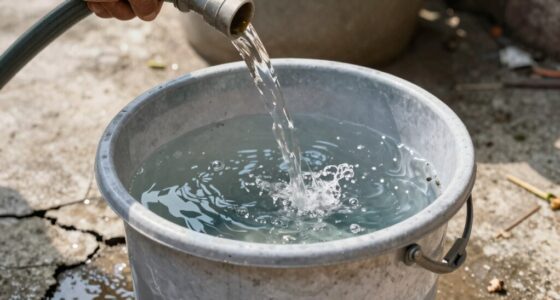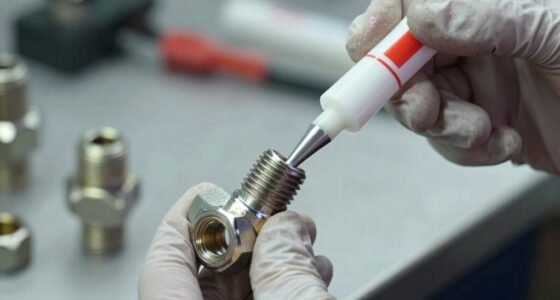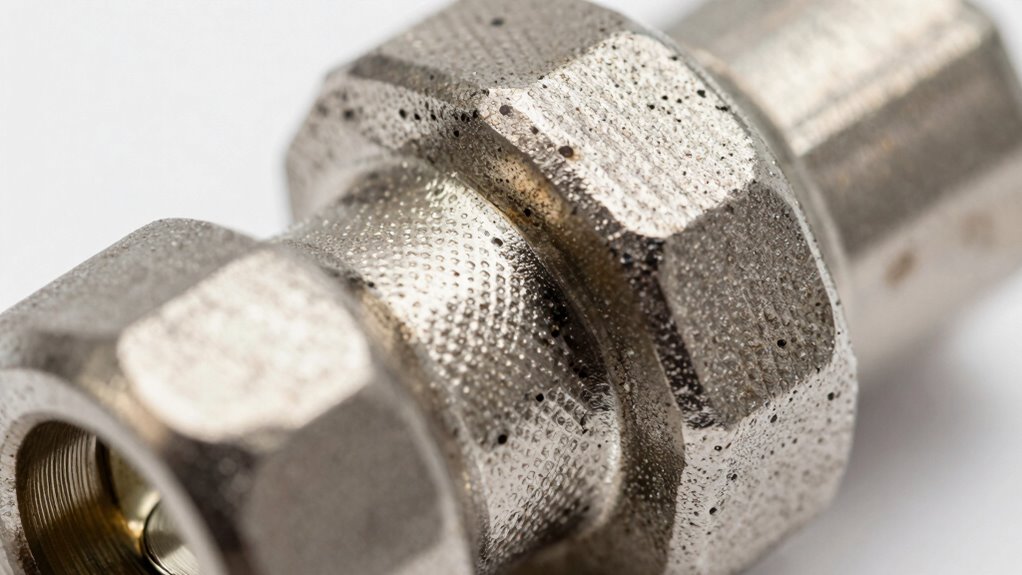
To spot pump packing wear early, regularly inspect for signs like persistent leaks, visible fraying, or cracks around the packing area. Keep an eye on temperature fluctuations, unusual noises, or vibrations during operation, which can indicate increased friction or deterioration. Monitoring these signs helps you catch issues before leaks occur. Proper inspection and performance checks are key—continue exploring ways to prevent costly failures and keep your pump running smoothly.
Key Takeaways
- Regular visual inspections can reveal cracks, fraying, or discoloration indicating packing wear.
- Monitor temperature fluctuations around the packing area for signs of ineffective sealing.
- Listen for increased noise or vibration during pump operation as early wear indicators.
- Use sensors to track vibration, temperature, and pressure for real-time wear detection.
- Address early signs promptly with proper adjustments or packing replacement to prevent leaks.
Why Pump Packing Wear Affects Your Equipment’s Performance
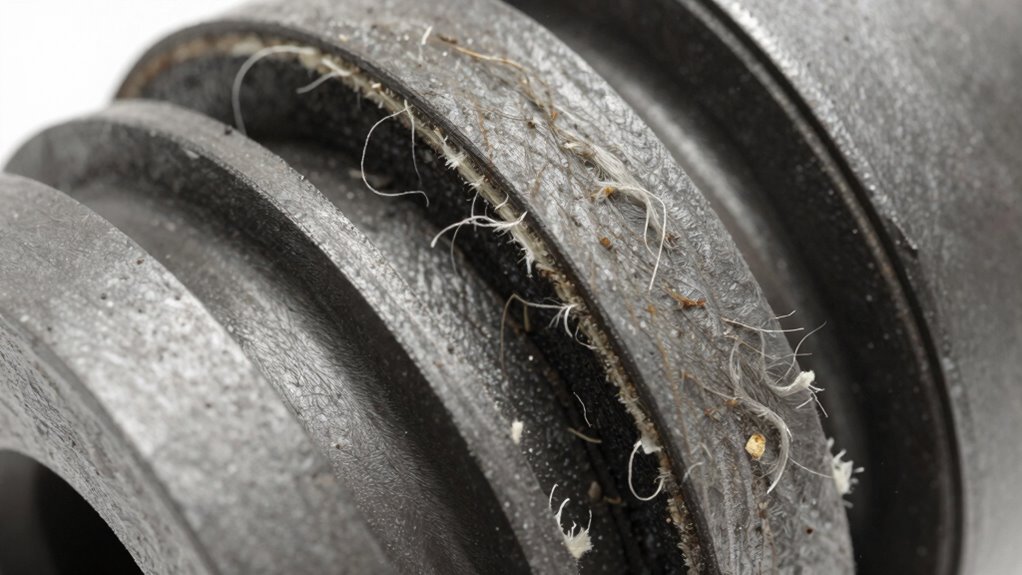
When pump packing wears out, it can considerably reduce your equipment’s efficiency and reliability. One major cause is lubrication issues; worn packing fails to retain proper lubrication, increasing friction and heat that can damage the shaft. This heat buildup can also lead to material degradation, further compromising the packing’s integrity. Proper maintenance practices help prevent premature wear and extend the lifespan of pump components. Shaft misalignment further compounds the problem by causing uneven pressure and excessive rubbing against the packing. Misalignment forces the packing to work harder, leading to faster deterioration and potential leaks. As your pump operates with worn packing, inefficiency rises, energy consumption increases, and the risk of costly failures grows. Additionally, utilizing energy-efficient pump packing materials can help reduce overall energy consumption and extend maintenance intervals, especially when combined with regular inspection and adjustment of packing components. Incorporating proper lubrication techniques is also essential for minimizing friction and heat buildup, thereby protecting the packing and extending its service life.
Signs Your Pump Packing Is Worn Out
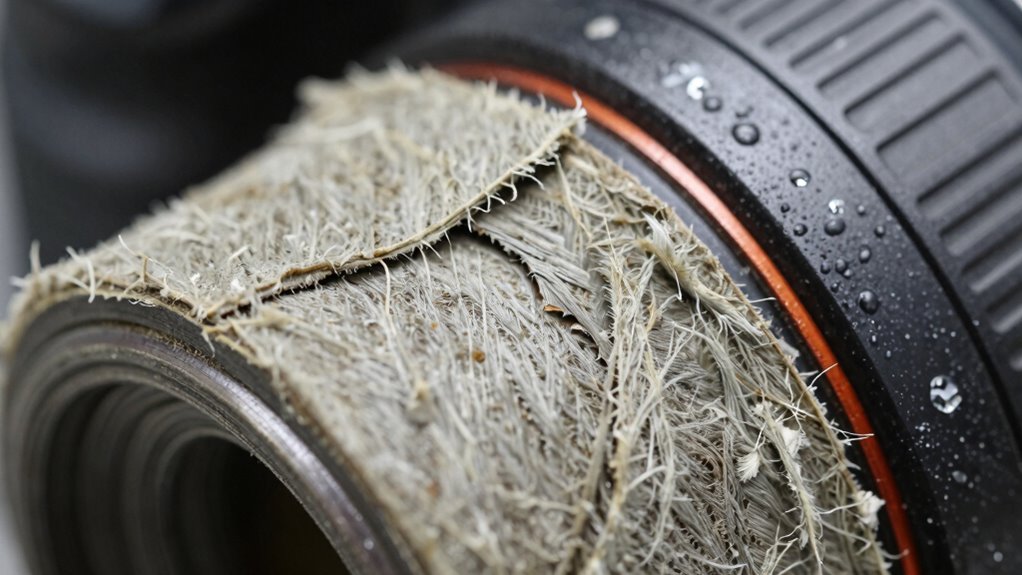
Recognizing the signs of worn pump packing is essential to prevent costly damage and downtime. Seal degradation often manifests as increased leakage or visible wear around the packing area. Temperature fluctuations can also signal issues, as inconsistent temperatures may indicate ineffective sealing. To spot worn packing:
- You notice persistent dripping or leakage, even after tightening.
- The packing experiences frequent temperature swings, suggesting improper sealing.
- You feel increased vibration or noise during operation, indicating seal or packing deterioration.
- Using the correct oil for your airless sprayer ensures optimal lubrication, which can help prevent premature packing wear. Additionally, understanding the seal material can help in choosing the right replacement to extend packing life.
These signs point to packing that’s no longer effective, risking further damage. Addressing seal degradation early helps maintain ideal performance and avoids costly repairs. Keep a close eye on these indicators to spot trouble before it turns into a leak.
How to Check Pump Packing for Wear
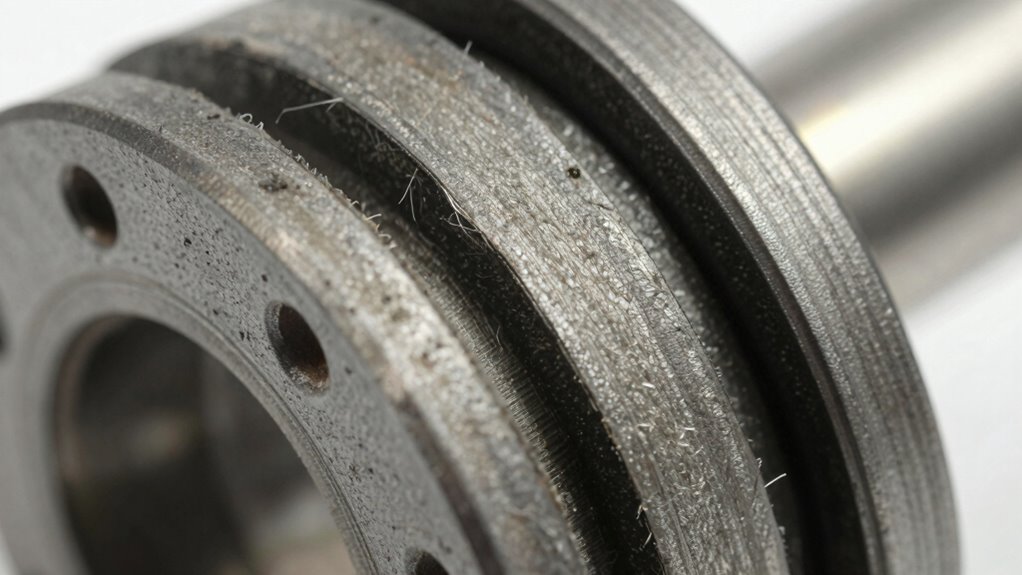
To check your pump packing for wear, start with a visual inspection to spot any leaks, cracks, or fraying. Keep an eye on packing performance by listening for unusual noises or increased friction during operation. Regularly monitoring these signs helps make sure your packing stays in good condition and functions efficiently. Additionally, inspecting the material compatibility ensures the packing material is suitable for your specific pump application. Incorporating landscaping elements around your pump can also help protect it from environmental stressors that may accelerate wear. Understanding deep-sky imaging principles can also be useful if your pump is part of a larger system that requires precise monitoring or control. Moreover, implementing proper ventilation considerations can prevent overheating and prolong the life of your pump and its packing. Monitoring environmental conditions can further help identify external factors influencing wear and performance.
Visual Inspection Techniques
Performing a visual inspection of pump packing is a straightforward yet essential step in maintaining pump efficiency and preventing failures. Start by examining the packing area closely for signs of wear, such as fraying or uneven surfaces. Next, check for leaks or fluid seepage, which may indicate packing deterioration. Finally, incorporate vibration analysis and lubrication techniques during your inspection: unusual vibrations can signal packing issues, while inadequate lubrication may accelerate wear. Incorporating early detection methods during your routine checks can help you identify potential problems before they escalate. Regularly scheduled visual checks help you catch early signs of damage, allowing timely adjustments. By combining keen observation with vibration analysis and proper lubrication, you verify your pump runs smoothly. Routine maintenance and early detection through these techniques minimizes downtime and extends the lifespan of your pump packing. Additionally, understanding wear patterns can provide insights into the root causes of packing deterioration, facilitating more targeted interventions. Recognizing common wear signs can further enhance your ability to address issues proactively. Implementing these inspection techniques can lead to more effective maintenance strategies and improved pump reliability.
Monitoring Packing Performance
How can you effectively check your pump packing for wear during operation? Start by listening for unusual noises or vibrations, which can indicate increased friction or leaks. Regularly monitor packing gland compression and adjust as needed to maintain proper tension. Pay close attention to the packing material selection; chosen materials should withstand operating conditions and minimize wear. Proper installation techniques are essential—ensure the packing is snug but not overly tight to prevent premature wear or leaks. Check for signs of leakage or excessive heat buildup around the packing area. Using these methods, you can catch early signs of wear before leaks develop, extending packing life and maintaining pump efficiency. Additionally, inspecting the environmental conditions around the pump can help identify external factors that may accelerate wear and impact performance. Regularly inspecting the packing installation is also crucial to ensure it remains properly seated and effective over time. Incorporating wear detection techniques can further enhance your ability to identify issues early and prevent potential failures.
Monitoring Pump Performance for Early Warning Signs
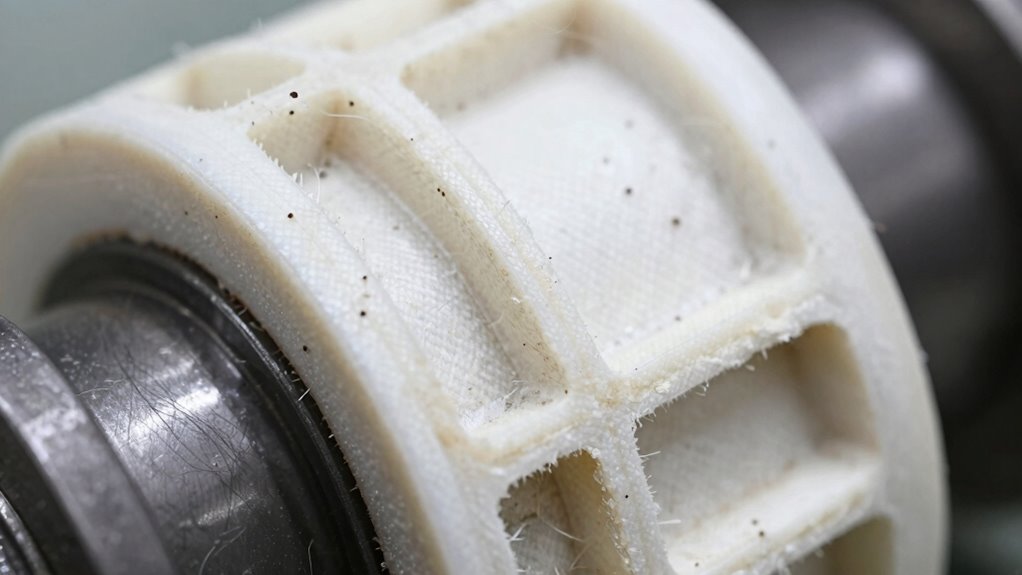
Monitoring pump performance is essential for catching early signs of potential issues before they escalate. By using advanced sensors and data analysis, you can detect subtle changes that signal trouble. Here’s how to stay ahead:
- Install sensors that monitor vibration, temperature, and pressure continuously. Reliable road evidence helps verify operational conditions during troubleshooting.
- Use real-time data analysis to identify deviations from normal operating parameters. Incorporating technology private placement investments can enhance tracking capabilities.
- Regularly review performance reports to spot trends indicating wear or impending failure.
- Maintaining awareness of art care principles helps ensure the longevity of your equipment and prevents unnecessary damage. Incorporating predictive maintenance techniques can further optimize your monitoring efforts and reduce downtime.
These steps help you catch issues like bearing wear or packing leaks early. Advanced sensors provide precise, real-time insights, while data analysis translates this information into actionable alerts. Taking these proactive measures ensures you address problems before they lead to costly repairs or unscheduled downtime, keeping your pump running smoothly and efficiently.
How Packing Material and Installation Quality Influence Durability
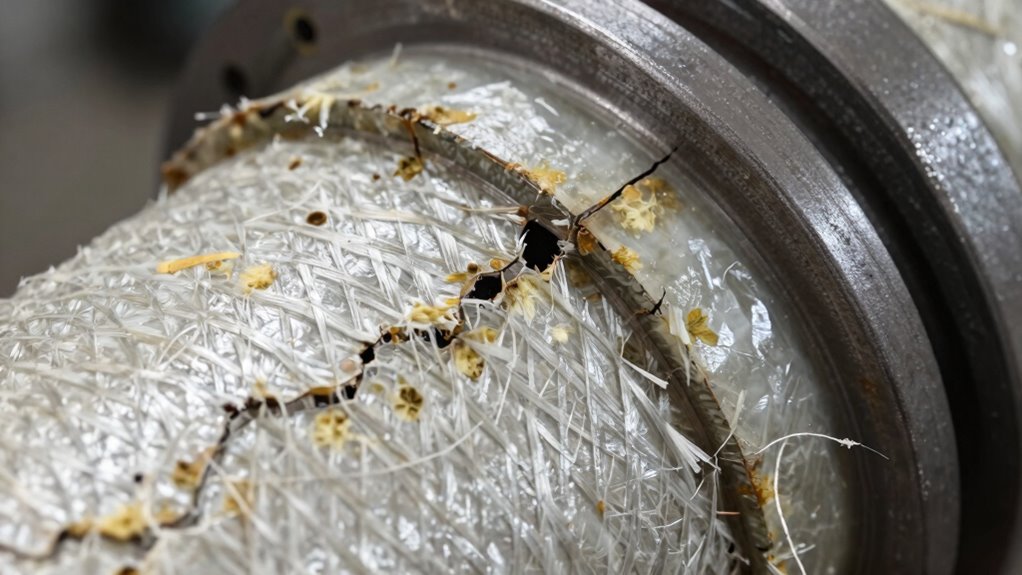
The durability of pump packing largely depends on the quality of the packing material and how well it’s installed. Proper material selection is essential; choose a packing that suits your pump’s operating conditions, considering factors like temperature, pressure, and chemical compatibility. Using the right material minimizes wear and extends packing life. Equally important is installation quality—incorrect installation can cause uneven wear, leaks, and early failure. Ensure the packing is compressed properly and aligned correctly to prevent gaps and uneven pressure distribution. Regular inspection during installation helps identify issues early. When you prioritize high-quality materials and meticulous installation, you substantially improve packing durability, reduce maintenance costs, and prevent unexpected downtime. Proper care from the start ensures your pump runs smoothly longer.
Preventing Premature Packing Wear and Leaks
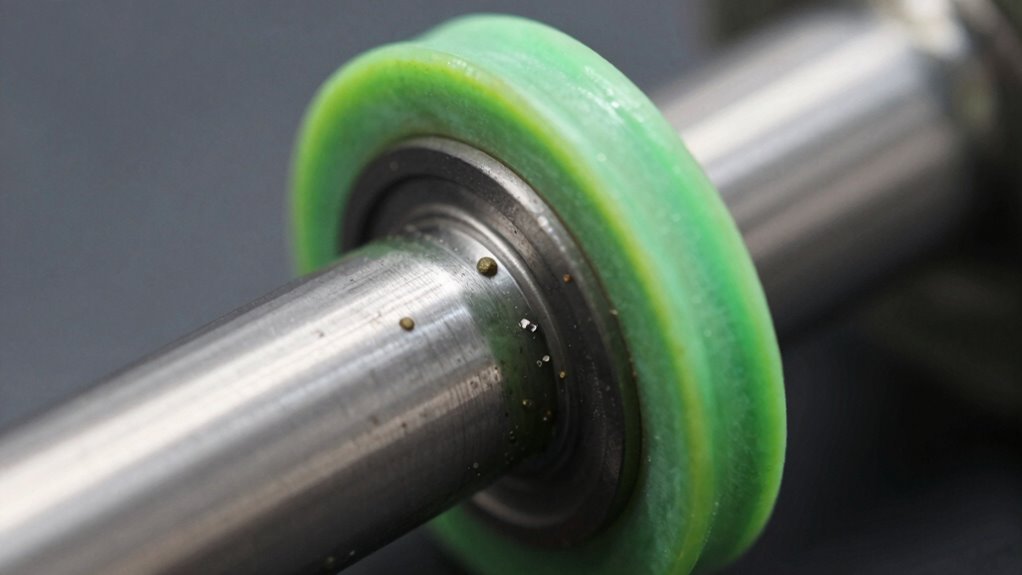
Preventing premature packing wear and leaks starts with proper installation and maintenance practices. First, focus on packing material selection to assure compatibility with your pump’s operating conditions. Next, apply correct lubrication techniques; regular, adequate lubrication reduces friction and wear. Finally, perform routine inspections to spot early signs of wear or leaks, adjusting packing tension as needed. Proper packing material choice minimizes material degradation, while effective lubrication prevents overheating and excessive friction. Consistent inspections help catch issues before they escalate, saving you time and costly repairs. By combining these practices, you extend packing life and maintain leak-free operation. Keeping an eye on packing condition and applying the right techniques is your best defense against premature wear and leaks.
When and How to Replace Pump Packing Properly
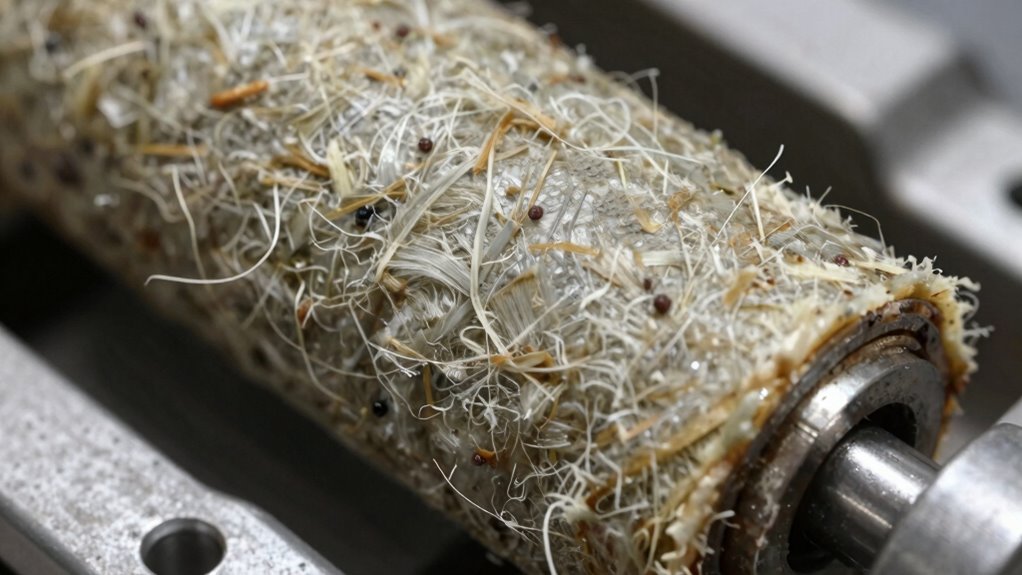
Knowing when to replace pump packing is vital to maintaining efficient and leak-free operation. You should consider replacing packing when you notice signs of wear, such as increased leakage or difficulty in tightening. Proper material selection is essential; choose packing materials compatible with your pump’s fluid and operating conditions to ensure longevity. When replacing, follow installation best practices: remove the old packing carefully, clean the gland thoroughly, and ensure the new packing is cut to the correct length. Insert the packing evenly, avoiding overlaps or gaps, and tighten the packing gland gradually to avoid uneven wear. Regularly inspect the packing after installation to catch early signs of wear. Proper timing and technique help extend packing life and prevent unnecessary downtime.
Troubleshooting Persistent Packing Leaks
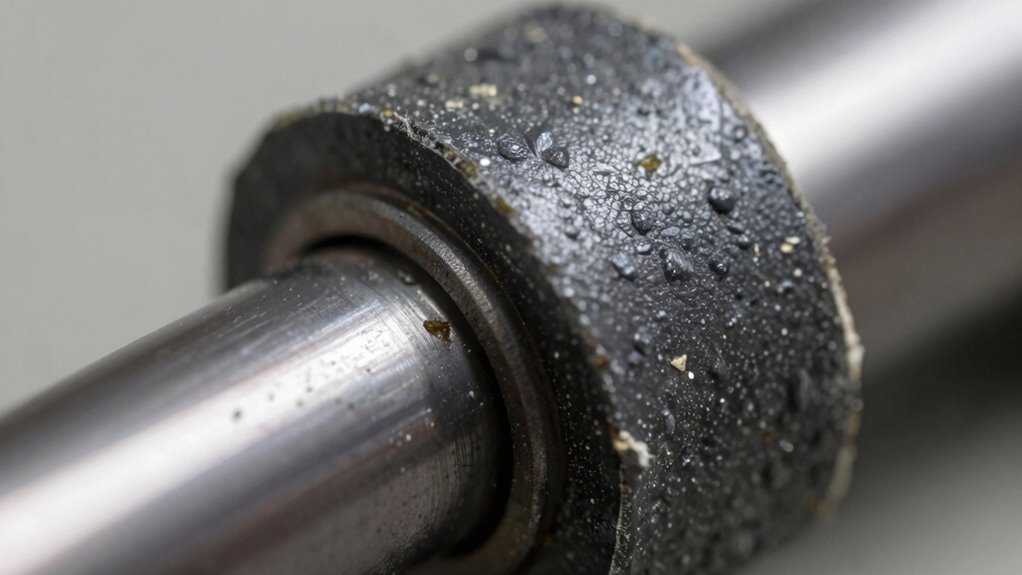
Persistent packing leaks can be frustrating, but they often signal underlying issues that need immediate attention. First, check seal compatibility to ensure your packing material matches the pump’s operating conditions. Incorrect seals can cause leaks despite proper installation. Second, evaluate your lubrication methods; inadequate lubrication leads to increased friction and wear, resulting in leaks. Adjust your lubrication routine or switch to a compatible lubricant if necessary. Third, inspect the packing tension—too tight or too loose can cause persistent leaks. Proper tension balances sealing and wear. Addressing these areas helps prevent leaks from becoming a bigger problem. Remember, early troubleshooting saves time and reduces maintenance costs, keeping your pump running efficiently.
Frequently Asked Questions
What Are Common Causes of Unexpected Pump Packing Wear?
You often face unexpected pump packing wear due to seal failure or misalignment issues. Seal failure can happen from improper installation or worn-out components, causing increased friction and wear. Misalignment issues, whether from shaft misalignment or improper mounting, lead to uneven pressure and premature packing deterioration. Regular inspections and proper alignment help prevent these problems, ensuring your pump operates smoothly and extends the lifespan of your packing.
How Can I Extend the Lifespan of Pump Packing?
You can extend the lifespan of pump packing by applying proper lubrication techniques and choosing the right materials. Regularly inspect and adjust packing to prevent excessive wear. Use lubricants suited for your pump’s operating conditions to reduce friction. Select durable, compatible materials that resist wear and chemical degradation. These proactive measures help prevent leaks, minimize downtime, and keep your pump running efficiently longer.
Are There Specific Maintenance Intervals Recommended?
You should follow recommended maintenance schedules and inspection protocols to keep pump packings in good condition. Typically, inspect the packings every 1 to 3 months, depending on usage and operating conditions. During inspections, look for signs of wear or leaks. Regularly tightening or adjusting the packing can prevent issues. Staying consistent with these intervals helps spot early wear, ultimately extending the lifespan and preventing costly leaks.
What Are the Risks of Delayed Packing Replacement?
Delaying packing replacement risks seal failure and costly leaks. Worn seal material can cause increased friction, leading to overheating and damage. Without timely replacement, lubrication techniques become less effective, accelerating wear. Regular inspections help you spot early signs of wear, preventing leaks and downtime. Prioritize maintenance to ensure your pump operates smoothly, avoiding expensive repairs and potential environmental hazards caused by undetected leaks.
How Does Ambient Temperature Affect Packing Performance?
Like the ebb and flow of tides, ambient temperature influences your pump packing’s performance. Higher temperatures cause the packing to soften, risking leaks and wear, while colder temps make it rigid, reducing sealing efficiency. Temperature effects alter how well the packing adapts to movement and pressure. Be mindful of ambient influence, adjusting packing tension and material selection accordingly, to maintain ideal sealing and prevent premature failure.
Conclusion
By catching wear early, you can prevent costly leaks and keep your pump running smoothly. Did you know that improper packing can reduce pump efficiency by up to 30%? Regular inspections and quality installation are your best tools to avoid unexpected downtime. Remember, a small spot of wear today can turn into a major leak tomorrow—so stay vigilant, monitor performance, and replace packing before it’s too late. Your equipment’s longevity depends on your proactive care!