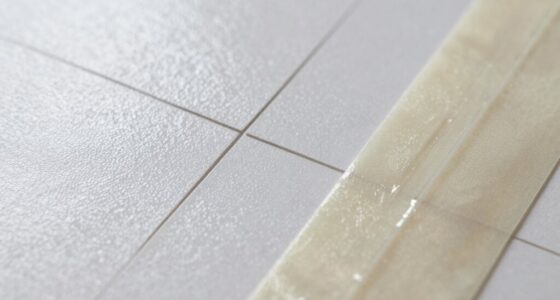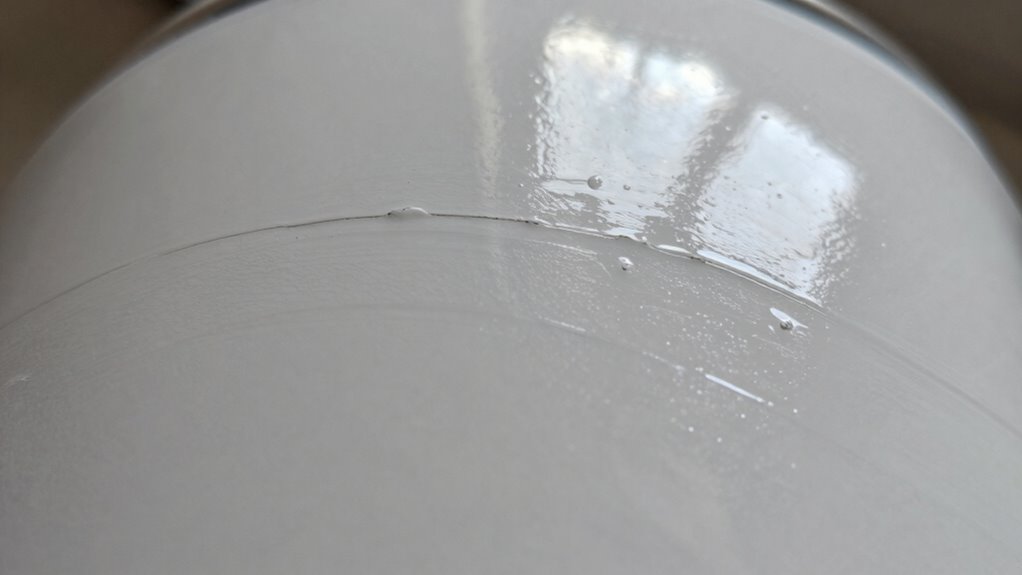

Proper film thickness is often the unseen cause of early paint failure. If your coat is too thin, it won’t provide enough protection, leading to peeling, cracking, or premature wear. Conversely, a coating that’s too thick can crack or peel as it dries improperly. Achieving the right thickness depends on consistent application and proper surface prep. Keep this in mind; understanding film formation can help you prevent costly mistakes in your coating projects.

Get business pricing on tools and workshop supplies
- Business-only prices and quantity discounts
- Tax-exempt purchasing
- Multiple users, one account, clear invoices
Key Takeaways
- Insufficient film thickness creates weak spots prone to premature wear and corrosion.
- Excessive thickness leads to cracking, peeling, and early coating failure under environmental stress.
- Inconsistent application causes uneven layers, increasing stress points that accelerate paint failure.
- Poor surface preparation results in uneven film distribution, weakening adhesion and durability.
- Proper control of film thickness ensures long-lasting, protective, and visually stable paint finishes.
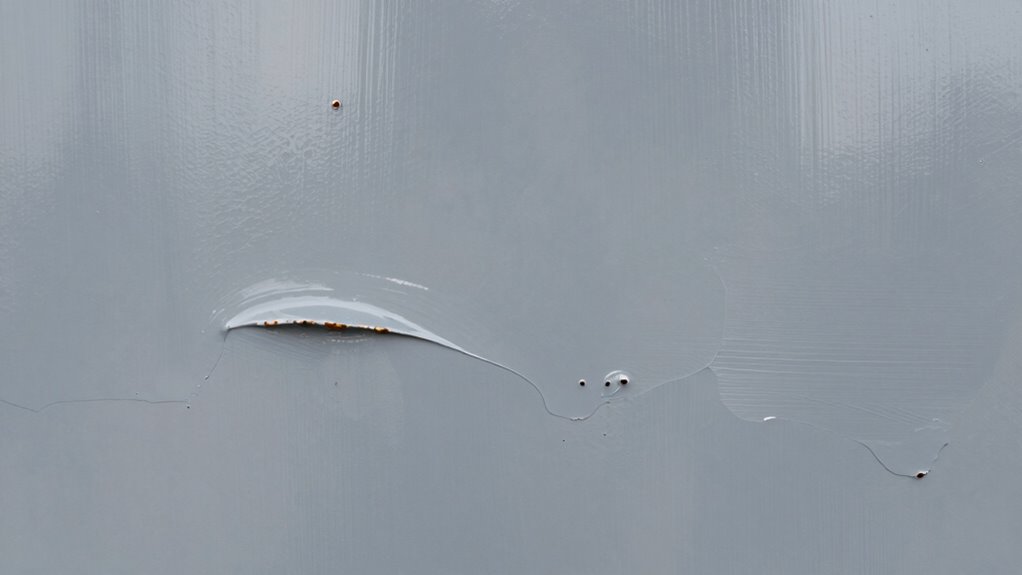
Have you ever wondered why some coatings last longer or perform better than others? One of the key factors often overlooked is film thickness. When you apply paint or protective coatings, the thickness of the film plays a pivotal role in its durability and effectiveness. If the film is too thin, it may not provide enough coverage or protection, leading to early failure. Conversely, if it’s too thick, it can cause issues like cracking or peeling. Achieving the right film thickness isn’t just about the amount of paint you put on; it hinges on application consistency and proper surface preparation.
Application consistency is essential to ensure that the coating forms a uniform film across the entire surface. When you’re rushing or applying multiple coats unevenly, you risk creating thin spots or overly thick areas. These inconsistencies can cause stress points within the coating, making it more susceptible to cracking, peeling, or degradation over time. To prevent this, you should use proper application techniques, such as maintaining a steady hand, using appropriate tools, and following manufacturer guidelines. Consistent application helps in achieving the correct film thickness, which is fundamental for the coating’s longevity.
Consistent application ensures a uniform film, enhancing coating durability and preventing failures over time.
Surface preparation is equally important because it sets the stage for successful coating application. Before you start, make sure to thoroughly clean and dry the surface, removing any dirt, grease, or old paint that could interfere with adhesion. Roughening the surface with sanding or other methods enhances adhesion and promotes even coating distribution. If the surface isn’t properly prepared, even the best application techniques can result in uneven film thickness or weak spots, leading to early failure. Proper surface preparation ensures that the coating bonds well and forms a uniform, protective layer.
Inadequate attention to film thickness can lead to a host of problems, including premature wear, corrosion, or peeling. When you understand the importance of application consistency and surface preparation, you’re better equipped to achieve a balanced, durable coating. Remember, the goal isn’t just to cover a surface but to do so with an even, appropriately thick film that can withstand the environment’s challenges. By focusing on these key aspects, you’ll markedly extend the life of your coatings and prevent early failures caused by uneven or improperly applied films. Ultimately, paying attention to film thickness isn’t just about aesthetics; it’s about creating a resilient barrier that protects your surfaces for years to come. Additionally, understanding film formation can help optimize the coating’s performance over time.
Products Worth Considering

Sonos Era 100 Wireless Smart Speaker, Black

Bose TV Speaker (2nd Gen) Compact Soundbar with Bluetooth and HDMI Connectivity

Philips Hue Bridge Pro Smart Lighting Hub
As an affiliate, we earn on qualifying purchases.
Frequently Asked Questions
How Does Humidity Affect Film Thickness During Painting?
Humidity effects can cause your paint film to become uneven and thinner than intended. When you paint in high humidity, moisture absorption occurs, which can interfere with the paint’s ability to form a proper film. This excess moisture weakens adhesion and can lead to early failure. To avoid this, make sure you paint in dry conditions and allow plenty of drying time, especially in humid environments, to maintain proper film thickness.
Can Improper Surface Preparation Influence the Required Film Thickness?
Think of your surface as a blank canvas; if you skip proper prep, it’s like trying to paint over dust and grease. Improper surface preparation can lead to surface contamination, which hampers primer adhesion and causes uneven film thickness. When the surface isn’t clean or properly primed, the paint can’t bond correctly, resulting in thin spots or peeling. So, thorough cleaning and priming are essential for a flawless, lasting finish.
What Tools Are Best for Measuring Paint Film Thickness Accurately?
You should use measurement devices like digital or analog paint thickness gauges for accurate results. Make sure they are properly calibrated using calibration techniques before each use. Non-destructive gauges are ideal for measuring wet or dry film thickness without damaging the surface. Regular calibration and choosing the right measurement device help you get precise readings, preventing issues like paint failure caused by incorrect film thickness.
How Does Ambient Temperature Impact the Curing of Paint Films?
A stitch in time saves nine, and when it comes to paint curing, temperature fluctuations can considerably affect your results. If the ambient temperature is too high or too low, it delays or accelerates curing times, leading to poor adhesion or early failure. You need a stable environment to guarantee proper curing. Keep temperatures consistent, ideally within the paint manufacturer’s recommended range, to achieve a durable, flawless finish.
Are There Differences in Film Thickness Requirements Between Paint Types?
Yes, there are differences in film thickness requirements between paint types. You need to evaluate paint consistency and drying time when applying different coatings. Thinner paints, like stains, require multiple light coats for even coverage, while thicker paints, like primers or enamels, need a specific film thickness to prevent early failure. Properly managing these factors guarantees ideal adhesion, durability, and prevents issues like cracking or peeling.
Conclusion
If you’ve ever painted a wall only to see it peel after a few weeks, you know how frustrating thin layers can be. Think of it like baking a cake: if the batter’s too thin, it won’t hold together. Similarly, too little paint means it can’t form a durable film. Ensuring the right thickness is like adding the perfect layer of frosting—protects, lasts, and keeps things looking fresh longer. Don’t cut corners on film thickness; your walls will thank you.