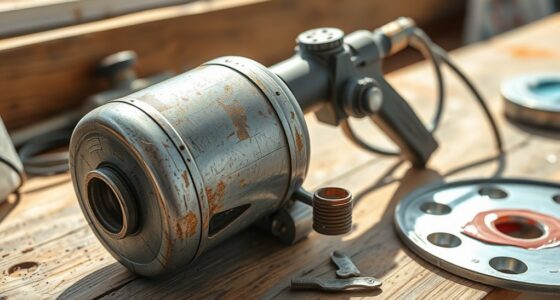
To flush solvent-based paints safely, work in a well-ventilated area and wear protective gear like gloves and goggles. Use compatible solvents, and avoid pouring leftover materials down drains or onto the ground. Collect used solvents and rinse water in sealed containers, then dispose of or recycle them through authorized hazardous waste programs. Minimize waste by using only what’s necessary and soaking equipment, and stay aware of safety protocols to protect both yourself and the environment. Keep exploring to learn detailed procedures and safety tips.
Key Takeaways
- Use a well-ventilated area outdoors or in a designated paint zone when flushing solvent-based paints.
- Select an appropriate solvent compatible with the paint for effective cleaning.
- Collect and store used solvent and rinse water in sealed, labeled containers to prevent leaks.
- Follow local hazardous waste disposal regulations or utilize authorized collection facilities.
- Wear personal protective equipment like gloves and goggles, and contain spills promptly to ensure safety.

Flushing solvent-based paints is a critical step in maintaining your painting equipment and ensuring smooth, professional finishes. Properly cleaning your tools prevents paint buildup, extends equipment lifespan, and guarantees the quality of your work. However, it’s equally important to approach this process with a focus on environmental safety and proper disposal techniques. Solvent-based paints contain chemicals that can be harmful to the environment if not handled correctly, so you need to be mindful of how you dispose of used solvents and rinsates.
Properly cleaning solvent-based paints protects your equipment and the environment through safe disposal techniques.
Start by choosing a well-ventilated workspace, ideally outdoors or in a designated paint area with appropriate containment measures. When flushing your equipment, use a solvent that is compatible with the paint you’re cleaning. After completing the cleaning process, collect the used solvent and rinse water in a sealed, leak-proof container. Never pour leftover solvents or rinsates down the drain, onto the ground, or into storm drains, as this can contaminate water sources and harm local ecosystems. Instead, familiarize yourself with local disposal regulations and follow recommended disposal techniques for hazardous waste.
Many communities have hazardous waste collection programs or designated disposal facilities for solvent-based materials. You can usually take your used solvents and contaminated rags to these facilities for proper treatment. If your area allows, some facilities may offer recycling options for solvents, helping you reduce waste and environmental impact. Always label your waste containers clearly, noting the contents and date, to prevent accidental misuse and ensure safe handling during transport and disposal.
In addition to proper disposal, consider minimizing waste by using only the amount of solvent necessary for flushing. Employ techniques such as soaking brushes and equipment in a dedicated container instead of repeatedly rinsing, which generates more waste. This not only reduces environmental risks but also saves you money.
During the entire process, wear appropriate personal protective equipment, including gloves and goggles, to safeguard yourself from harmful fumes and contact with chemicals. Keep your workspace organized and clean, and ensure that any spills are promptly contained and cleaned up using absorbent materials designed for hazardous substances. Incorporating fraud detection techniques such as real-time monitoring can also help in maintaining safety protocols during handling hazardous materials.
Frequently Asked Questions
Can I Reuse Leftover Flushing Solvent for Future Painting Projects?
Yes, you can reuse leftover flushing solvent for future projects if you store it properly. After flushing, filter the solvent to remove debris and store it in a sealed, labeled container to prevent contamination and evaporation. Always check the solvent’s condition before reuse, and avoid reusing if it appears dirty or has separated. Proper flushing solvent storage guarantees it remains effective and safe for subsequent painting tasks.
What Are the Environmental Disposal Options for Used Flushing Solvents?
You should follow local environmental regulations when disposing of used flushing solvents. Proper disposal methods include taking them to a certified hazardous waste facility or contacting your local waste management authority for guidance. Never pour solvents down drains or onto the ground, as this can harm the environment. Always store used solvents safely until you can dispose of them responsibly, ensuring you avoid contamination and legal issues.
How Often Should I Flush My Equipment During Extended Painting Sessions?
Did you know that regular equipment maintenance can extend your tools’ lifespan by up to 30%? You should flush your equipment at least every few hours during extended painting sessions to prevent buildup and guarantee solvent compatibility. Frequent flushing keeps your equipment clean, working efficiently, and reduces cleanup time later. Always follow manufacturer guidelines, and consider the type of solvent used for ideal results and safety.
Are There Safer, Eco-Friendly Alternatives to Traditional Flushing Solvents?
Yes, there are safer, eco-friendly alternatives to traditional flushing solvents. You can switch to water-based alternatives that effectively clean your equipment without harmful fumes or chemicals. Biodegradable solvents are another great option; they break down naturally, reducing environmental impact. By using these, you protect your health and the environment, making your painting process safer and more sustainable. Always check product labels to guarantee proper compatibility with your paints and equipment.
What Personal Protective Equipment Is Essential When Flushing Solvent-Based Paints?
When flushing solvent-based paints, you need proper respiratory protection to avoid inhaling harmful fumes. Wear a suitable respirator or mask designed for chemical vapors. Additionally, don protective gloves to prevent skin contact with hazardous solvents. Always make certain your PPE fits well and is in good condition. These precautions keep you safe from potential health risks associated with solvent fumes and skin irritation during the flushing process.
Conclusion
Now that you know how to flush solvent-based paints safely, you’re well-equipped to handle them without a hitch. Just remember, when it comes to hazardous materials, it’s better to be safe than sorry. Follow these steps diligently, and you’ll avoid any unnecessary trouble down the line. Keeping safety in mind guarantees you stay ahead of the game. After all, it’s better to be safe than sorry—practice caution, and you’ll have peace of mind every time.

Franz came aboard the Paint Sprayer Zone team with a background in both journalism and home renovation. His articulate writing style, combined with a passion for DIY projects, makes him an invaluable asset. Franz has a knack for breaking down technical jargon into easy-to-understand content, ensuring that even the most novice of readers can grasp the complexities of paint sprayers.