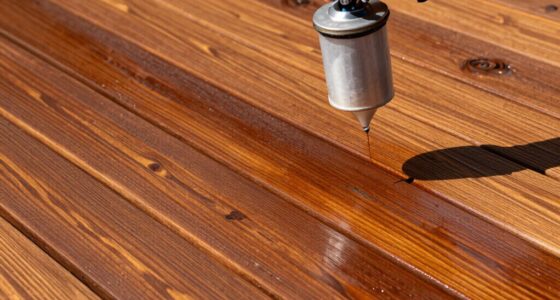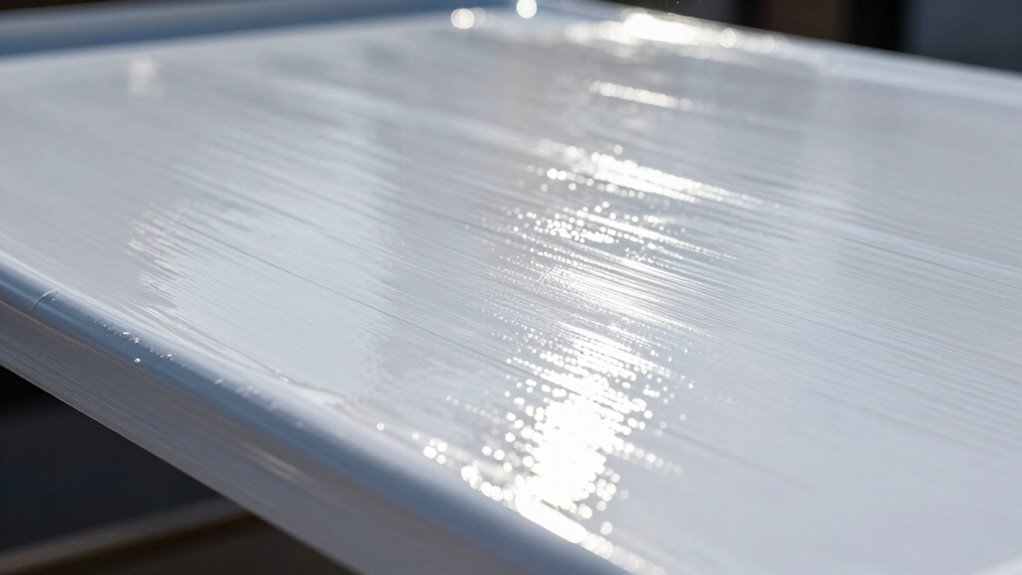

When you apply finish in direct sunlight or hot temperatures, the heat speeds up solvent evaporation, causing it to dry too quickly. This often results in finishes drying mid-air or developing surface imperfections like bubbling or streaks. Sunlight and high heat prevent the finish from curing evenly, weakening the final layer. Staying aware of these effects and learning effective application techniques can help avoid these issues and guarantee a durable, smooth surface. Keep going to discover how to prevent problems caused by heat and sun.
Key Takeaways
- Excessive heat accelerates solvent evaporation, causing the finish to dry before it properly adheres or levels.
- Direct sunlight increases surface temperature, leading to rapid drying and potential surface imperfections or trapping solvents.
- Rapid drying from heat and sun can cause uneven curing, resulting in a “mid-air” dry appearance or surface defects.
- High temperatures can cause finishes to form a skin or film prematurely, trapping solvents underneath and leading to bubbles or gloss loss.
- Applying finishes in direct sunlight or hot conditions increases the risk of over-drying, which hampers proper bonding and durability.
How Heat and Sun Speed Up Finishes Like Oil and Polyurethane
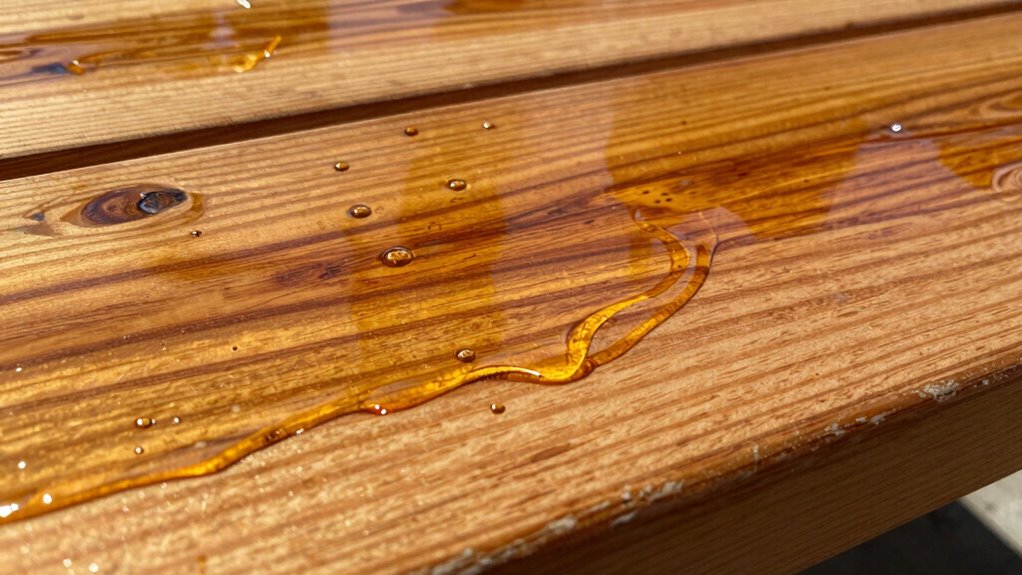
Heat and direct sunlight can substantially speed up the drying process of finishes like oil and polyurethane. As the temperature rises, these finishes cure faster, reducing wait times. However, this accelerated drying can lead to color change, as excessive heat might cause finishes to darken or develop uneven tones. While quicker drying seems beneficial, it can also compromise finish durability, making surfaces more prone to cracking or peeling over time. Sunlight exposure can cause finishes to cure unevenly, affecting their overall appearance and longevity. Additionally, controlled environments help maintain consistent temperature and humidity levels, further ensuring a smooth and durable finish. Proper temperature control is essential for achieving optimal results and preventing issues caused by rapid drying. Controlling ambient conditions is crucial for achieving optimal results. If you want a smooth, durable finish, avoid placing projects in direct sunlight during the drying process. Instead, opt for controlled environments to maintain consistent color and ensure the finish’s long-lasting protection. Maintaining proper application techniques also plays a vital role in achieving a high-quality, durable finish. Being aware of environmental factors can help prevent common problems caused by rapid drying and ensure your project looks great for years to come.
What You Should Know About Different Finishes and Sunlight

Different finishes react to sunlight in unique ways, so understanding their properties helps you protect your projects. Some finish types, like varnishes or lacquers, have high UV resistance, making them more durable outdoors. Others, such as oil-based finishes, may fade or crack when exposed to prolonged sunlight. UV resistance determines how well a finish holds up over time, preventing color loss and deterioration. Being aware of UV resistance can also inform maintenance schedules to preserve the finish’s integrity over time. It’s important to consider how the environmental exposure will impact the longevity of your chosen finish, especially in sun-exposed areas. Additionally, selecting finishes with appropriate UV protection can significantly extend their lifespan and appearance. Here’s a quick overview:
| Finish Type | UV Resistance |
|---|---|
| Polyurethane | High |
| Oil-Based | Moderate |
| Varnish | High |
| Lacquer | Moderate to High |
| Wax | Low |
Why Does Sunlight Make Finishes Dry Too Fast?
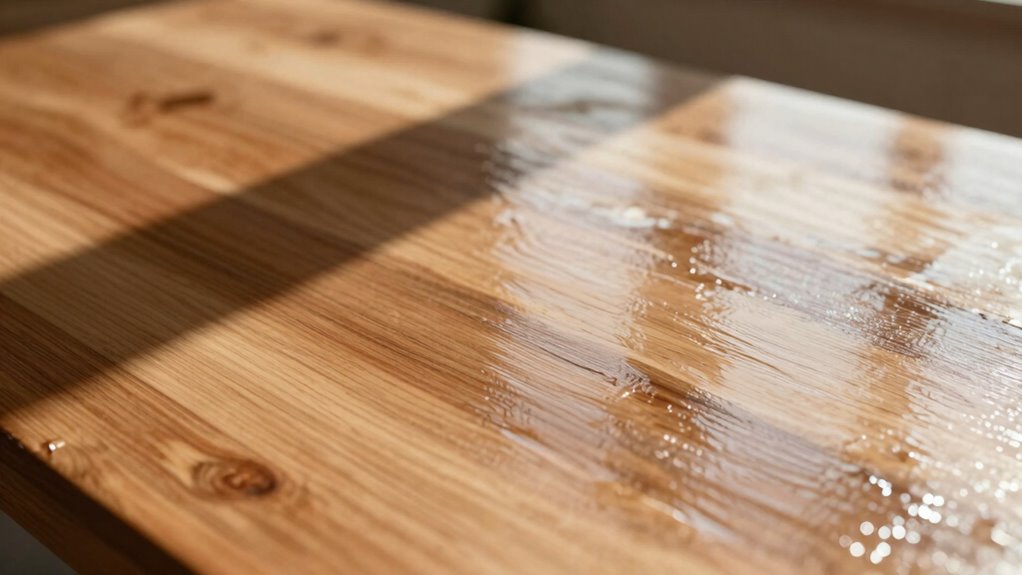
Sunlight speeds up the drying process of finishes because the UV rays and heat it provides cause the solvents and oils to evaporate more quickly. However, this rapid drying can lead to issues like UV degradation, where ultraviolet light breaks down the finish’s chemical bonds. This weakens the protective layer, making it more prone to damage over time. Additionally, drying too fast increases the risk of the finish cracking. As the surface dries rapidly while the interior remains wet, stress builds up, causing the finish to develop cracks or fissures. You might notice these imperfections soon after application or months later, especially if the finish is exposed to prolonged sunlight. Proper timing and application techniques help prevent these problems.
How Temperature and UV Light Affect Finish Drying Times
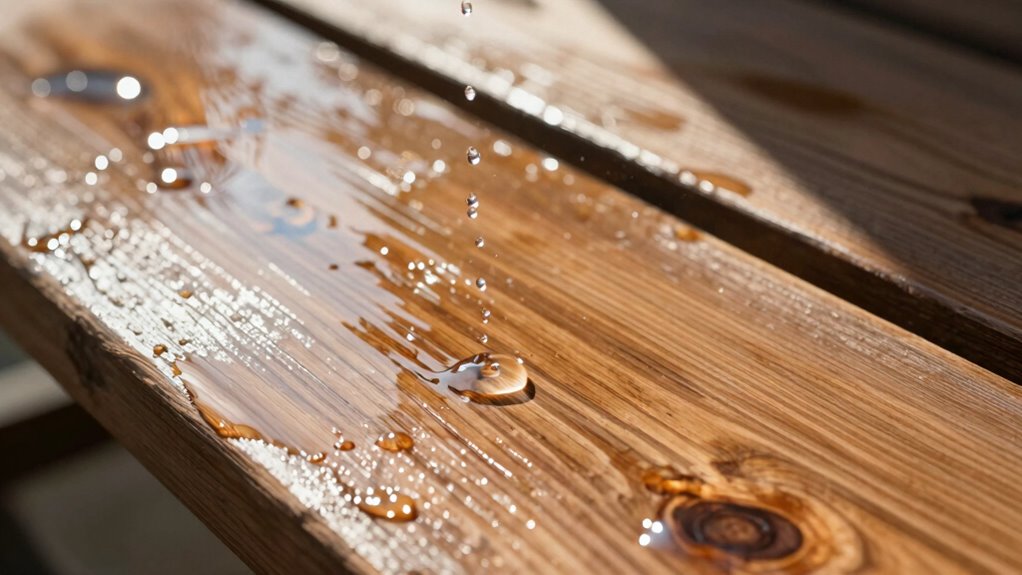
When the temperature rises and UV light intensifies, your finish dries faster because the heat accelerates solvent evaporation and UV rays break down chemical bonds more quickly. Higher temperatures increase thermal expansion, causing the finish to cure faster but potentially leading to cracks or uneven drying if it happens too rapidly. UV light contributes to UV degradation, which can weaken the finish’s structure over time. This UV exposure can also cause discoloration or surface damage, further impacting the finish’s durability. Additionally, rapid drying due to heat and UV exposure can hinder proper chemical bonding, leading to a less durable surface. Proper understanding of UV effects allows you to adjust your application techniques accordingly. Recognizing how temperature fluctuations influence drying times can help you better manage outdoor application conditions. Understanding how temperature and UV exposure influence drying helps you control the process, ensuring a smooth, durable finish. Proper monitoring prevents issues like cracking, peeling, or compromised adhesion caused by rapid or uneven curing.
How to Recognize When Your Finish Is Drying Too Quickly
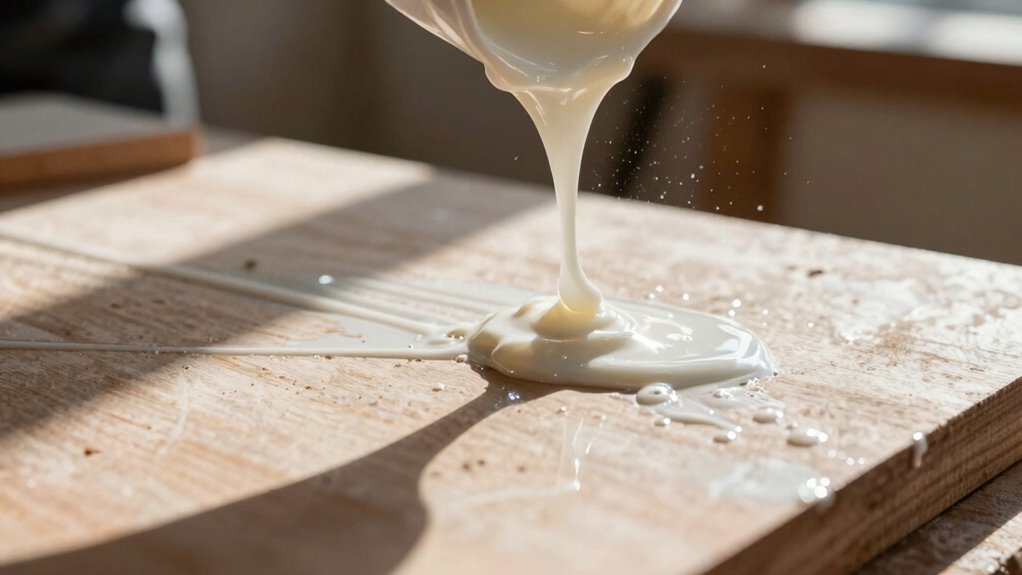
If your finish starts to feel dry to the touch almost immediately after application, it’s a sign it’s drying too quickly. You’ll notice a change in finish consistency, where it becomes tacky or uneven rather than smooth and wet. Rapid drying often leads to visible brush marks or uneven coating, which indicates it’s not properly adhering or leveling. Proper surface preparation is essential; if the surface isn’t clean, dry, and well-prepped, the finish may dry unevenly or too fast. When you recognize these signs, stop applying additional coats and assess the environment. Rapid drying can trap solvents or contaminants, compromising the finish’s durability, which underscores the importance of controlling environmental factors. Being attentive to these cues helps you adjust techniques or timing, ensuring a professional, even result. Temperature and humidity also play a significant role in drying times and should be monitored to achieve optimal results. Additionally, understanding drying mechanisms can help you better control the process for a smoother application. To further enhance your control, consider using environmental monitoring tools that track temperature and humidity levels in real-time. Recognizing the signs of over-drying early can also prevent surface defects and ensure a high-quality finish.
Tips to Prevent Finishes From Drying Too Fast in the Sun
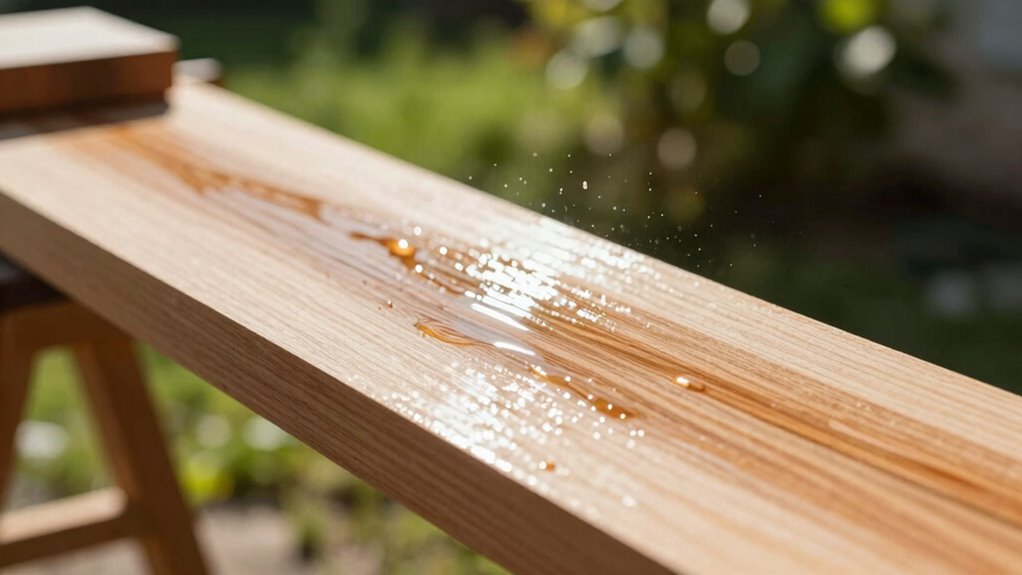
To keep your finish from drying too quickly in the sun, work in shaded areas whenever possible. You can also choose cooler weather conditions and apply thinner coats to slow the drying process. These simple steps help guarantee a smooth, even finish without premature drying. Additionally, understanding how environmental factors affect your project is crucial, much like the importance of transparent fee structures in Gold IRA markets. Being aware of environmental factors can help you plan your work schedule more effectively and avoid finishing issues caused by unexpected weather changes. Monitoring humidity levels can further assist in timing your application for optimal results. Moreover, selecting suitable materials designed for outdoor use can significantly reduce the risk of finish damage caused by environmental exposure. Paying attention to airflow around your project can also improve drying consistency and prevent uneven finishes.
Work in Shaded Areas
Working in shaded areas can substantially slow down the drying process of your finish, helping prevent it from drying too quickly in direct sunlight. By choosing shade alternatives, you create a more controlled environment, reducing the risk of uneven drying or finish imperfections. Sun protection measures like canopy tents, umbrellas, or even building temporary shade structures help maintain ideal conditions. To maximize effectiveness:
- Position your workspace away from direct sunlight, utilizing natural shade.
- Use portable shade screens or tarps to block sun exposure.
- Schedule work during early mornings or late afternoons when sunlight is less intense.
- Consider reflective barriers to reduce heat buildup in shaded areas.
- Being aware of timing and environmental factors can further improve finish drying and quality.
These strategies help maintain proper drying times and finish quality, ensuring your project looks professional and lasts longer.
Use Cooler Weather
Cooler weather naturally slows the evaporation process, giving your finish more time to dry evenly. When temperatures are lower, you can perform shaded application, which keeps the finish from drying too quickly. This helps prevent uneven coats and runs caused by rapid drying. To optimize your work:
| Cooler Temperatures | Shaded Application | Longer Drying Time |
|---|---|---|
| Reduce heat exposure | Find shaded spots | Achieve even finish |
| Avoid direct sun | Use overhangs | Minimize streaking |
| Pick cooler days | Use shade cloths | Better adhesion |
Apply Thin Coats
Applying thin coats is essential when working in direct sunlight because thicker layers tend to dry too quickly, leading to uneven finishes and runs. To control solvent evaporation, use smooth brush techniques that distribute the finish evenly without overworking it. Keep your brush lightly loaded to prevent pooling and streaking. Work quickly but deliberately, maintaining a wet edge to avoid lap marks. Avoid over-brushing, which accelerates solvent evaporation and causes brush marks. Instead, use long, even strokes to maintain a consistent film. Thin coats allow for better control over drying time, reducing the risk of mid-air drying. Proper application minimizes runs and ensures a smoother, more durable finish despite the sun’s heat.
Best Practices for Applying Finishes in Hot or Sunny Weather
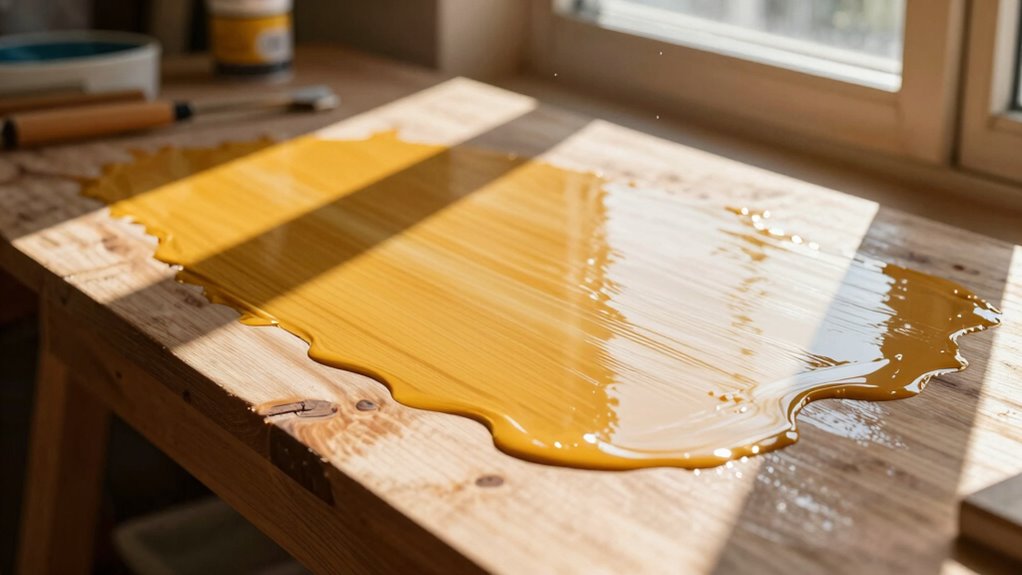
When you’re working in hot or sunny weather, taking extra precautions is essential to guarantee your finish dries properly and looks its best. To prevent UV degradation, apply finishes in the early morning or late afternoon when sunlight is less intense. Use high-quality, UV-resistant products designed for outdoor use to minimize damage and prolong the finish’s lifespan. Keep your surface cool by working in shaded areas or using fans to reduce heat buildup. Avoid applying thick coats, which can trap heat and cause finish cracking or uneven drying. Maintain good ventilation to speed drying and prevent mid-air drying issues. Properly prepared surfaces and mindful timing help ensure your finish remains durable, vibrant, and resistant to the damaging effects of heat and direct sun.
Troubleshooting Sticky or Uneven Finishes in Outdoor Settings
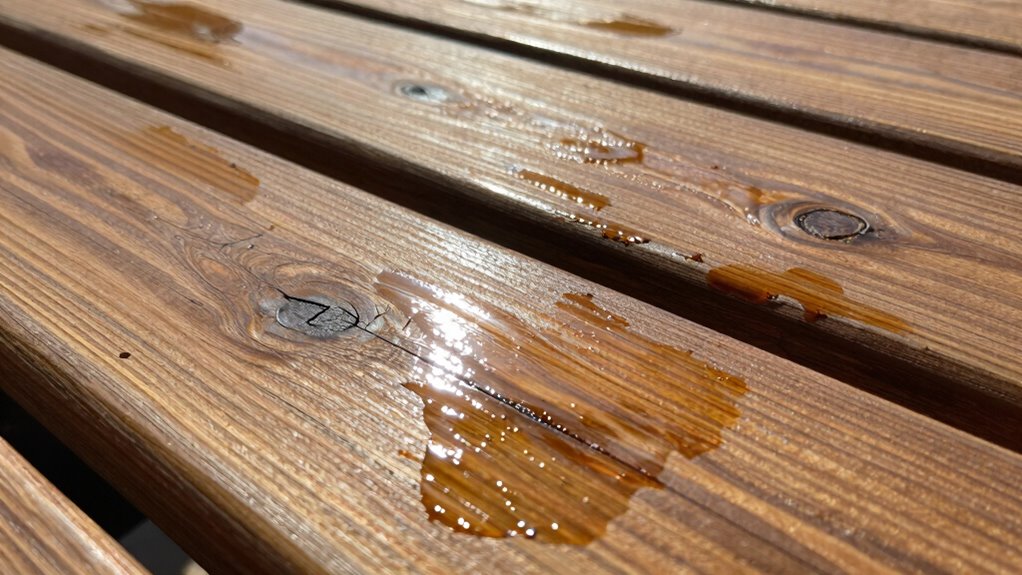
Outdoor conditions often cause finishes to become sticky or uneven, especially if the environment is humid, hot, or windy. To troubleshoot, start by checking for UV degradation, which can weaken the finish and cause bubbling. Next, verify you’re applying thin coats—thick layers are more prone to bubbling and uneven drying. Environmental factors like high humidity can slow evaporation, leading to sticky patches. Finally, avoid direct sunlight during application, as heat accelerates finish drying mid-air, increasing the risk of finish bubbling. If issues persist, lightly sand the affected area and reapply a compatible coat in better conditions. Proper preparation and timing help prevent these problems and ensure a smooth, durable finish outdoors.
Choosing the Right Finish for Sun-Exposed Projects
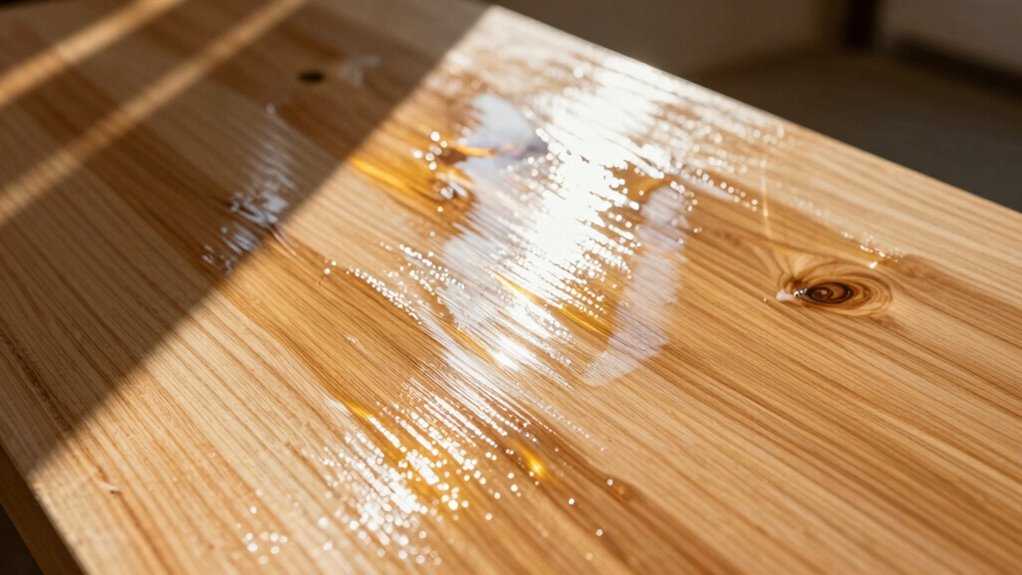
Selecting the right finish for sun-exposed projects is essential to guarantee durability and appearance over time. You need a finish with excellent UV protection to prevent fading and damage caused by sunlight. Look for products specifically formulated for outdoor use, ensuring high finish durability against weather and UV rays.
| Finish Type | Key Benefits |
|---|---|
| Polyurethane | Strong, durable, resistant to scratches |
| Spar Varnish | Excellent UV protection, flexible |
| Exterior Oil | Easy to apply, penetrates wood, UV resistant |
| Epoxy | Heavy-duty protection, resistant to moisture |
| Lacquer | Smooth finish, good UV resistance |
Choosing the right finish helps maintain color, prevents cracking, and extends the lifespan of your project under direct sunlight.
Frequently Asked Questions
Can I Speed up Drying by Increasing Temperature Artificially?
Yes, you can speed up drying by increasing temperature artificially, but you need to do it carefully. Use temperature control to avoid overheating, which can cause finish defects. Proper drying acceleration involves maintaining a consistent, moderate increase in temperature rather than extreme heat, ensuring the finish cures evenly. Always monitor the environment closely to prevent issues like bubbling or cracking caused by rapid drying.
Does Humidity Affect How Quickly Finishes Dry in the Sun?
Humidity impacts how quickly your finish dries in the sun, often slowing the process. If the air’s humid, moisture lingers, making the finish thicker and less consistent. Conversely, low humidity helps it evaporate faster, leading to a smoother, more even coat. So, while sunshine dries finishes quickly, high humidity can cause uneven drying, affecting the final look and durability. Keep an eye on moisture levels for ideal results.
How Does Wind Influence Finish Drying Times Outdoors?
Wind effects substantially speed up finish drying times outdoors by increasing outdoor airflow. When you expose your project to a breeze, it helps evaporate solvents and moisture faster, reducing drying time. The moving air replaces the humid air around your finish with drier air, enhancing evaporation. So, if you’re aiming for a quicker dry, positioning your work where wind can circulate freely makes a noticeable difference in how fast your finish dries.
Are There Specific Finishes Resistant to Rapid Drying in Sunlight?
Think of finishes that stand tall against the sun like a shield. You should look for UV resistant coatings and heat resistant finishes, which are specially formulated to withstand rapid drying and fading under sunlight. These products act like armor, preventing your project from drying prematurely or discoloring. When choosing a finish, always check for these resistant properties to ensure longevity and protection in sunny conditions.
What Safety Precautions Should I Take When Working in Hot, Sunny Conditions?
When working in hot, sunny conditions, you should wear sun protection like hats, sunglasses, and sunscreen to prevent sunburn. Take regular breaks in the shade to avoid heat exhaustion, and stay hydrated by drinking plenty of water throughout the day. Keep your work area well-ventilated, and wear lightweight, breathable clothing. These precautions help you stay safe, comfortable, and productive while protecting your skin from harmful UV rays.
Conclusion
Ironically, while we often seek the warmth of sunshine to brighten our days, it can swiftly turn your perfect finish into a sticky mess or a crackled disaster. So, next time you’re tempted to bask in the sun while finishing your project, remember: a little shade might save you from a drying dilemma. Sometimes, the best way to let your work shine is to keep it out of the sun’s relentless, drying grip.