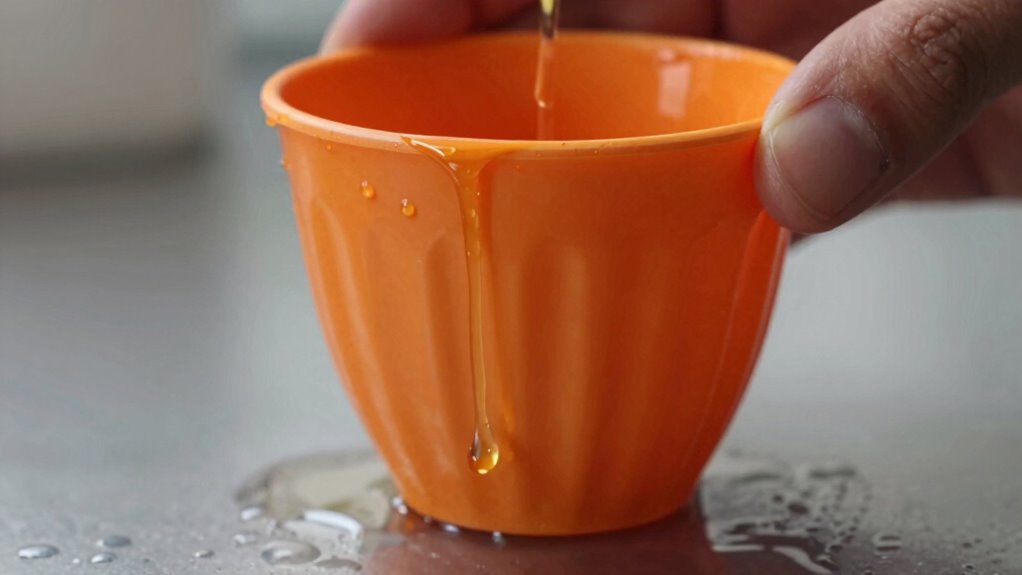

To measure viscosity properly with a Zahn cup, start by ensuring your sample is clean and at the right temperature, then fill the cup completely without bubbles. Dip the cup into your liquid, lift it steadily, and start timing immediately once it’s out. Record the drain time precisely—this indicates viscosity. Keep your equipment clean and calibration in check. If you follow these simple steps, you’ll get consistent, reliable results every time. Keep going to learn more tips for accurate testing.

Get business pricing on tools and workshop supplies
- Business-only prices and quantity discounts
- Tax-exempt purchasing
- Multiple users, one account, clear invoices
Key Takeaways
- Ensure the Zahn cup is clean, calibrated, and free of debris before testing.
- Fill the cup fully with the sample at the correct temperature, avoiding bubbles.
- Dip and lift the cup steadily, timing the drain time immediately upon lifting.
- Use the measured seconds to assess viscosity and compare with standards or specifications.
- Re-test if results are inconsistent or outside the expected range to ensure accuracy.
As an affiliate, we earn on qualifying purchases.
What Is a Zahn Cup and How Does It Work?

Have you ever wondered how to accurately measure the viscosity of a liquid? A Zahn cup simplifies this process by providing quick, consistent results. It’s a specialized tool that measures viscosity in specific units, usually seconds, representing how long it takes for the liquid to drain through a small orifice. Understanding viscosity units helps you compare liquids effectively, ensuring measurement accuracy. When you dip the Zahn cup into the liquid and lift it, gravity pulls the fluid through the opening, and you time how long it takes to drain completely. This straightforward method minimizes errors and makes viscosity testing accessible, even if you’re new to the process. Using a Zahn cup guarantees your readings are reliable, helping you maintain quality and consistency in your work. Proper diluting paint for airless sprayers can also influence viscosity and spraying performance, emphasizing the importance of accurate measurement. Additionally, knowing how to measure viscosity accurately is crucial for quality control in various industries, ensuring your product performs as expected. Implementing standardized testing methods like the Zahn cup helps maintain consistency across different batches and applications. A clear understanding of the viscosity units involved can also improve your troubleshooting and process optimization efforts. Moreover, understanding the measurement process enhances your ability to make informed adjustments during production.
Why Use a Zahn Cup for Quick and Reliable Viscosity Testing
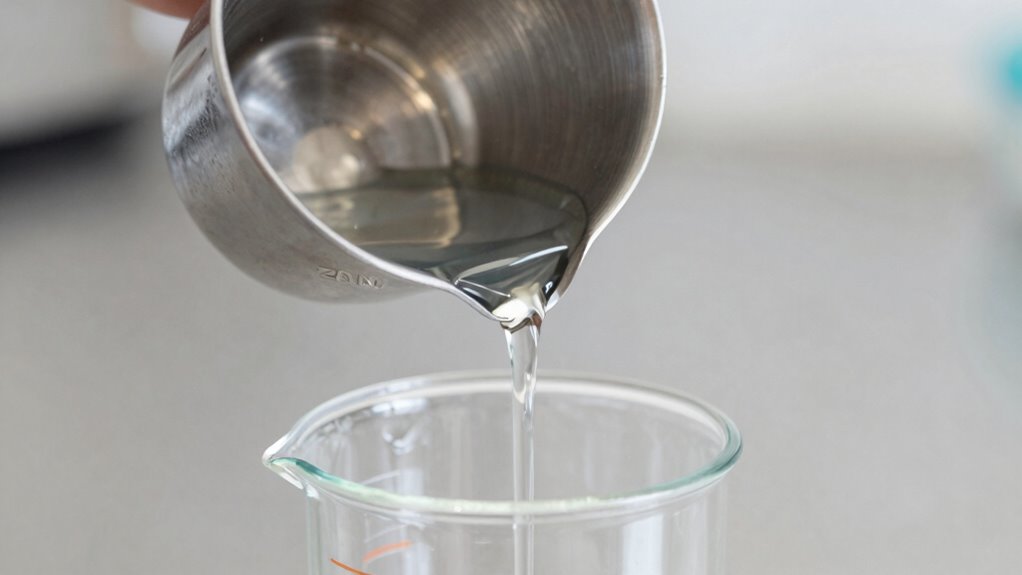
Using a Zahn cup offers a simple yet effective way to obtain quick and reliable viscosity measurements. It helps you assess viscosity consistency across different batches, ensuring uniformity in your work. The straightforward process minimizes errors, making measurement accuracy easier to achieve without complex equipment. Since you can dip and time the flow rate directly, it’s ideal for routine testing and quality control. The Zahn cup’s design provides consistent results, which is essential for maintaining product standards. Its ease of use means you get dependable data fast, saving time and reducing the need for expensive instruments. Additionally, understanding viscosity measurement techniques can help optimize your testing procedures for better accuracy. Incorporating proper calibration methods further enhances the reliability of your measurements and maintains consistency over time. Proper maintenance practices also ensure the Zahn cup remains accurate and durable over extended use.
How to Prepare Your Sample and Equipment for Accurate Measurements

To guarantee accurate viscosity measurements, you must carefully prepare both your sample and equipment before testing. First, ensure your sample is free of dirt, debris, and contaminants by thoroughly cleaning and filtering it if necessary. Second, verify that your equipment is properly calibrated, checking that the Zahn cup’s measurements are consistent and accurate. Third, warm or cool your sample to the recommended testing temperature, as viscosity varies with temperature. Fourth, inspect the cup for any damage or residue, cleaning it with solvent if needed. Proper sample cleanliness prevents skewed results, while equipment calibration guarantees reliable measurements. Additionally, considering the vintage design of your testing tools can help maintain a timeless and functional setup. Incorporating smart automation features can further streamline your testing procedures and improve accuracy. Moreover, maintaining consistent testing conditions supports reliable data and enhances overall measurement precision. Ensuring a stable environment, such as controlling ambient temperature and avoiding vibrations, can also significantly contribute to measurement accuracy. Regularly checking and maintaining your equipment can help prevent measurement errors and extend its lifespan.
Step-By-Step: Measuring Viscosity With a Zahn Cup
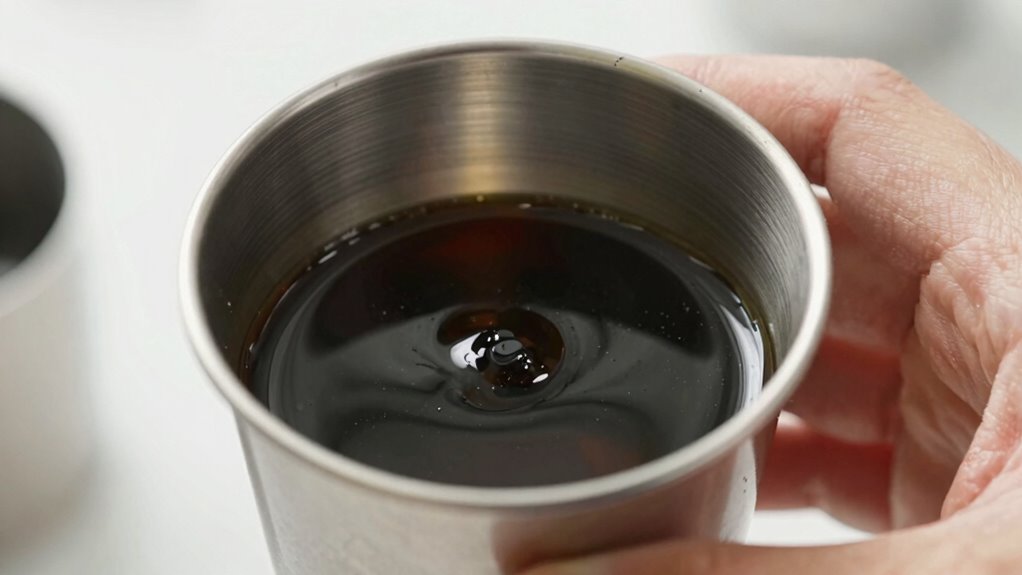
Begin by selecting the appropriate Zahn cup for your viscosity range and guaranteeing it’s clean and dry. Proper sample preparation is vital—pour your tested liquid into a clean container and bring it to the proper temperature. Before measuring, verify that your equipment is calibrated correctly; check the cup’s orifice size and ensure it’s free of obstructions. Dip the Zahn cup into your sample, allowing it to fill completely without creating bubbles. Hold the cup steadily and start timing as you lift it from the sample, noting the elapsed time until the liquid level drops to the designated mark. Record this time precisely. Accurate measurements depend on well-prepared samples and properly calibrated equipment, guaranteeing your viscosity readings are reliable and consistent.
Understanding Your Results and Knowing When to Re-Test

After measuring viscosity with a Zahn cup, interpreting your results accurately is key to making informed decisions. Proper result interpretation helps you understand whether your material meets specifications or needs adjustments. Watch for re test indicators, such as inconsistent readings or values outside acceptable ranges. If your results fluctuate markedly, it’s time to re-test to confirm accuracy. Consider retesting if:
- The recorded viscosity varies more than the instrument’s expected margin of error.
- The sample appears contaminated or improperly prepared.
- The temperature differs from the standard testing conditions.
- You notice inconsistent timing or measurement technique during tests.
- Calibration procedures have not been performed recently, which can affect accuracy.
- You are unfamiliar with industry standards that specify acceptable viscosity ranges and testing protocols.
- The measurement techniques used are inconsistent or not aligned with recommended procedures.
- Additionally, verifying that your equipment is properly maintained helps ensure consistent results and reliable data.
- Regularly reviewing testing procedures can help identify potential sources of error and improve accuracy.
Frequently Asked Questions
Can Zahn Cups Be Used for Measuring Viscosity of All Liquids?
Zahn cups can’t measure the viscosity of all liquids effectively. You need to contemplate liquid compatibility, as some chemicals might corrode or damage the cup. Also, be aware of measurement limitations; Zahn cups work best for thinners like paints or coatings. For thicker or more complex fluids, other viscosity measurement methods are more accurate. Always check if your liquid suits the Zahn cup before using it for precise results.
How Often Should I Calibrate My Zahn Cup?
You should calibrate your Zahn cup regularly to guarantee measurement consistency. Typically, calibrate it before each use or at least weekly, especially if you’re measuring different liquids or if the cup is exposed to harsh conditions. Frequent calibration helps maintain accuracy and reliability, so keep a schedule based on your usage and environment. This way, you avoid errors and get precise viscosity readings every time.
What Are Common Mistakes to Avoid During Measurement?
Coincidentally, avoiding common mistakes guarantees your measurement accuracy stays high. You should always double-check your technique consistency, like immersing the Zahn cup correctly and timing precisely. Don’t rush the process, as inconsistent immersion or timing leads to errors. Avoid overfilling or underfilling the cup, and confirm the sample is free of bubbles. Finally, always clean the cup thoroughly after each use to maintain reliable, accurate viscosity readings.
Is Temperature Control Necessary During Viscosity Testing?
Yes, temperature control is necessary during viscosity testing. You should guarantee temperature stability because fluctuations can affect your results. Keep the environment consistent, or use a temperature-controlled bath if needed. Additionally, calibration frequency is vital; regularly calibrate your equipment to maintain accuracy. By maintaining temperature stability and following proper calibration routines, you’ll get reliable viscosity measurements without overthinking the process.
How Do Environmental Factors Affect Zahn Cup Readings?
Environmental influence can be a silent thief, stealing measurement accuracy during Zahn cup tests. Fluctuations in temperature, humidity, and air currents act like mischievous winds, altering the paint’s flow and skewering your results. To keep readings true to their nature, control these factors as much as possible. When you manage environmental conditions, your viscosity measurements become trustworthy, reflecting the real behavior of your material without interference from external chaos.
Conclusion
So, next time you grab a Zahn cup, remember—it’s simple, reliable, and surprisingly forgiving. No need to overthink the perfect stroke or the tiniest detail; just dip, time, and read. Ironically, the tool’s elegance lies in its straightforwardness, proving that sometimes, less truly is more. With a little practice, you’ll measure viscosity like a pro—without the fuss, the fussiness, or the overcomplication. Just trust the cup, and enjoy the clarity.
Fall yard work Picks
leaf blowers
As an affiliate, we earn on qualifying purchases.