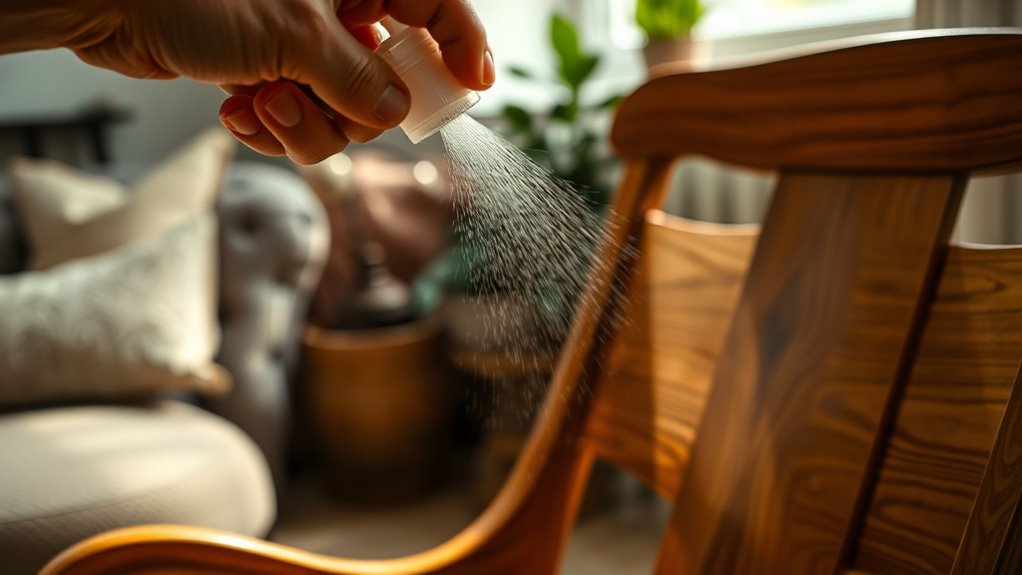

Yes, you can use a sprayer on furniture indoors if you choose the right equipment and follow proper precautions. Use a spray gun or aerosol that offers controlled, even coverage and avoid high-pressure settings or wide spray patterns to prevent damage. make certain of good ventilation, wear protective gear, and test on small areas first. When done correctly, you can achieve a smooth finish without harming your furniture—continue to explore the best techniques for safe, effective application.
Key Takeaways
- Use indoor-specific spray equipment with controlled pressure and nozzles to prevent furniture damage.
- Test spray on a small, hidden area first to assess finish reaction and prevent unintended effects.
- Ensure proper ventilation and wear protective gear to minimize fumes and overspray exposure indoors.
- Apply light, even coats from 6-12 inches away, avoiding thick layers that can cause drips or dull finishes.
- Be cautious with glossy or delicate finishes, and follow product instructions for drying and curing times.
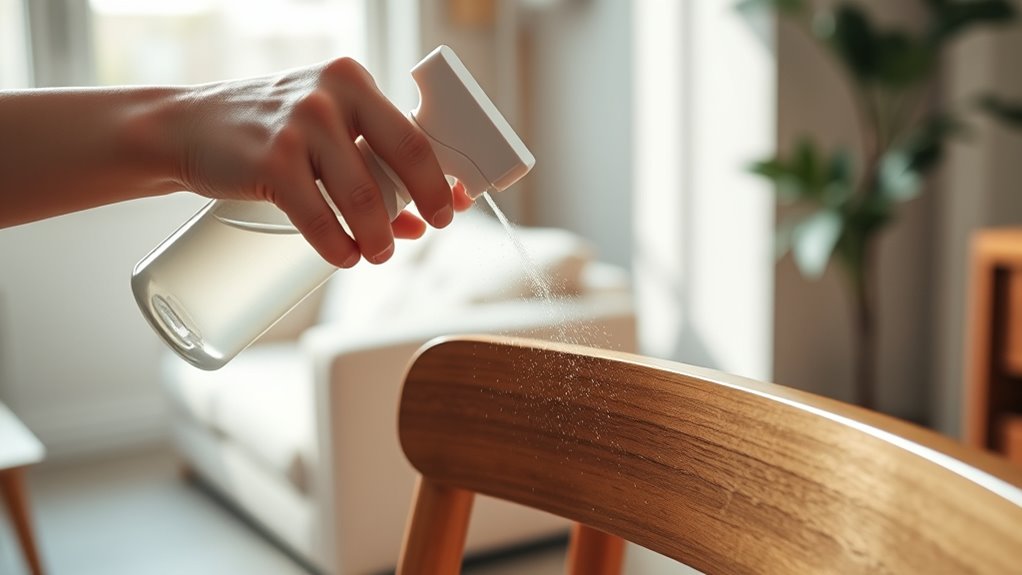
Using a sprayer on indoor furniture can be an efficient way to apply cleaning solutions or protectants, but it’s important to do so carefully to avoid damage. When using spray equipment indoors, you need to consider the type of furniture and its finish. Different paint finishes react differently to spray applications, so understanding your furniture’s surface is vital. For example, a matte or satin finish might be more forgiving, while high-gloss or lacquered surfaces can be easily damaged or dulled by overspray or excessive moisture.
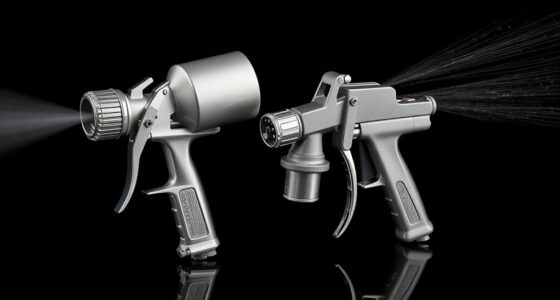
Before you start, make sure your spray equipment is suitable for indoor use and that you have the right nozzles and pressure settings. An appropriate spray gun or aerosol can with adjustable settings can help you control the application and minimize overspray. Using high-pressure equipment or a wide spray pattern could cause uneven coverage or damage delicate surfaces. It’s best to test your spray on a small, inconspicuous area first to see how the finish reacts. If you notice any adverse effects like streaks, discoloration, or a change in the gloss, stop immediately.
Ensure your spray equipment is suitable for indoor use with adjustable nozzles and pressure to prevent damage.
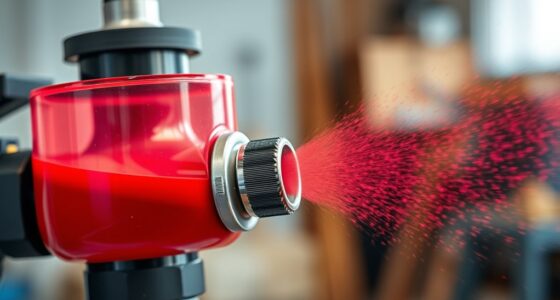
When applying protective coatings or cleaning solutions, keep the spray at a consistent distance from the furniture—usually about 6 to 12 inches. Moving the spray evenly across the surface helps prevent pooling or uneven coats. If your furniture has a glossy or shiny finish, be especially cautious, as these can be easily dulled or scuffed. Light, even layers are better than thick coats, which can lead to drips or an unnatural appearance. If you’re restoring or refinishing furniture, consider using spray equipment designed specifically for wood finishes to achieve a smooth, professional look.
Ventilation is essential when spraying indoors. Always open windows and doors, and use fans if available, to disperse fumes and overspray particles. Wearing a mask and protective eyewear is also recommended to prevent inhaling fumes or getting spray in your eyes. After spraying, allow the furniture to dry thoroughly—this could take several hours or longer, depending on the product used. Proper application not only enhances the appearance but also preserves the integrity of your furniture, ensuring it looks great for years to come. Additionally, staying informed about AI in Education can help you explore innovative ways to learn about furniture restoration and finishing techniques.

Paint Sprayer Indoor Outdoor, 1000W Electric Handheld HVLP Spray Paint Gun with 3 Patterns 6 Nozzles, Easy to Clean & Use, Stain Sprayer for House Painting, Furniture, Cabinets, Walls, Doors, Fences
【Upgraded 1400ML & Even Spray】Portable paint sprayer detachable 1400ml container reduces frequent refills and allows coverage of up…
As an affiliate, we earn on qualifying purchases.
As an affiliate, we earn on qualifying purchases.
Frequently Asked Questions
Are Indoor Sprayers Safe for Children and Pets?
Indoor sprayers can be safe for children and pets if you choose non-toxic, pet-safe, and child-safe formulas. Always read the label carefully, guarantee proper ventilation, and keep kids and pets away during and after spraying until surfaces dry. It’s crucial to prioritize child safety and pet safety by using products specifically designed for indoor use and following all safety instructions. When in doubt, consult the manufacturer’s guidelines.
How Do I Prevent Overspray on Surrounding Areas?
You prevent overspray by starting with proper preparation, which surprisingly coincides with smoother results. Wear protective gear like masks and goggles, and use ventilation techniques such as opening windows and fans. Spray in controlled bursts, always aiming away from other surfaces. Cover nearby items with drop cloths or plastic sheeting, and keep a steady hand. This approach minimizes mess, keeps your space clean, and guarantees effective, safe application indoors.
Can I Use a Sprayer on All Types of Furniture?
You can use a sprayer on many furniture finishes, but it depends on the material. For delicate or antique pieces, spray techniques might cause damage or uneven coating. Always test a small area first. Use consistent, light coats, and keep the sprayer at the right distance. Proper spray techniques help achieve a smooth, professional finish without overspray or drips. Be cautious with certain finishes, and follow manufacturer instructions for best results.
What Precautions Should I Take Before Spraying Indoors?
Before you start, think of yourself as a guardian protecting your home from a storm. Make certain proper ventilation tips are in place—open windows and use fans to disperse fumes. Wear protective gear like masks and goggles to shield yourself from overspray and chemicals. Clear the area of valuables and furniture, and cover remaining pieces with drop cloths. Taking these precautions keeps your indoor space safe and your furniture pristine.
How Long Should I Wait Before Using the Furniture After Spraying?
You should wait at least 24 to 48 hours before using the furniture after spraying. The drying time depends on the product used, so check the label for specific instructions. During this curing period, make certain the room is well-ventilated to help fumes escape and speed up drying. Avoid placing items on the furniture or using it until the curing process is complete for the best results and safety.
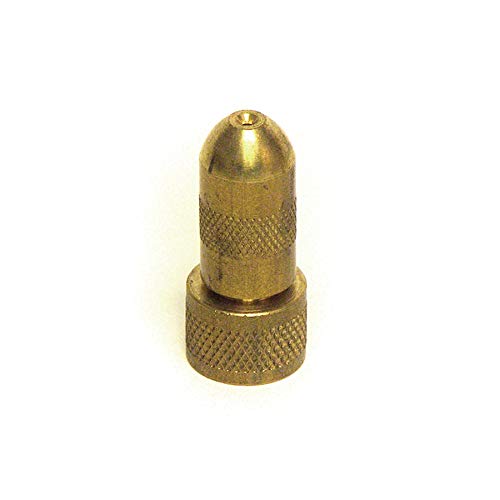
Chapin Adjustable Spray Tip Brass Nozzle
ADJUSTABLE BRASS CONE NOZZLE: spray a coarse stream to funnel shower depending on the application and chemical you’re…
As an affiliate, we earn on qualifying purchases.
As an affiliate, we earn on qualifying purchases.
Conclusion
Using a sprayer indoors can breathe new life into your furniture, turning dull surfaces into vibrant statements. Imagine the fine mist gently settling, like morning dew on a leaf, transforming your space with ease. Just remember to ventilate well and choose the right product to avoid overspray. With a steady hand and careful planning, you can refresh your furniture’s look, creating a cozy, inviting atmosphere that feels both polished and personal.

RepelWell Upholstery Protect Stain & Water Repellent Spray (12oz) Eco-Friendly, Pet-Safe Spray Keeps Your Fabric, Leather & Suede Upholstery Looking Like New
➤ Safe for you and everything you spray it onto; provides ultimate stain, dirt and water repellent for…
As an affiliate, we earn on qualifying purchases.
As an affiliate, we earn on qualifying purchases.

Pledge Moisturizing Wood Oil, Furniture Reviving and Protecting Conditioner and Dusting Spray, Revitalizes Wood, Sealed Leather and Laminate, Made with Mineral Oils – Amber & Argan Scent, 9.7oz
Pledge Wood Oil conditions and protects the appearance of wood & leather furniture
As an affiliate, we earn on qualifying purchases.
As an affiliate, we earn on qualifying purchases.

Franz came aboard the Paint Sprayer Zone team with a background in both journalism and home renovation. His articulate writing style, combined with a passion for DIY projects, makes him an invaluable asset. Franz has a knack for breaking down technical jargon into easy-to-understand content, ensuring that even the most novice of readers can grasp the complexities of paint sprayers.