
TL;DR
A Family Handyman report recommends checking insulation and air leaks in 10 areas before winter, with attic and roof spaces a priority. Contractors quoted in the report say insulation and sealing gaps can help limit drafts, protect pipes from freezing and reduce heat loss; the effect on energy bills depends on the home and work done.
A Family Handyman report recommends checking insulation and air leaks in 10 areas of a home before winter, starting with the attic and roof. Contractors quoted in the report say the work can help limit heat loss and drafts, while insulation around vulnerable plumbing can reduce the risk of frozen pipes.

Get business pricing on tools and workshop supplies
- Business-only prices and quantity discounts
- Tax-exempt purchasing
- Multiple users, one account, clear invoices
Roofer Andre Kazimierski of HomeHero Roofing says attic and roof spaces should be a priority. He recommends inspecting older roofs for gaps and having a roofer seal them. The report also says homeowners can check attic floor insulation and fill gaps or add a layer if drafts come through the ceiling. Options named include fiberglass batts and blown-in insulation; the report notes that many attics are vented and should be thermally separated from the living space.
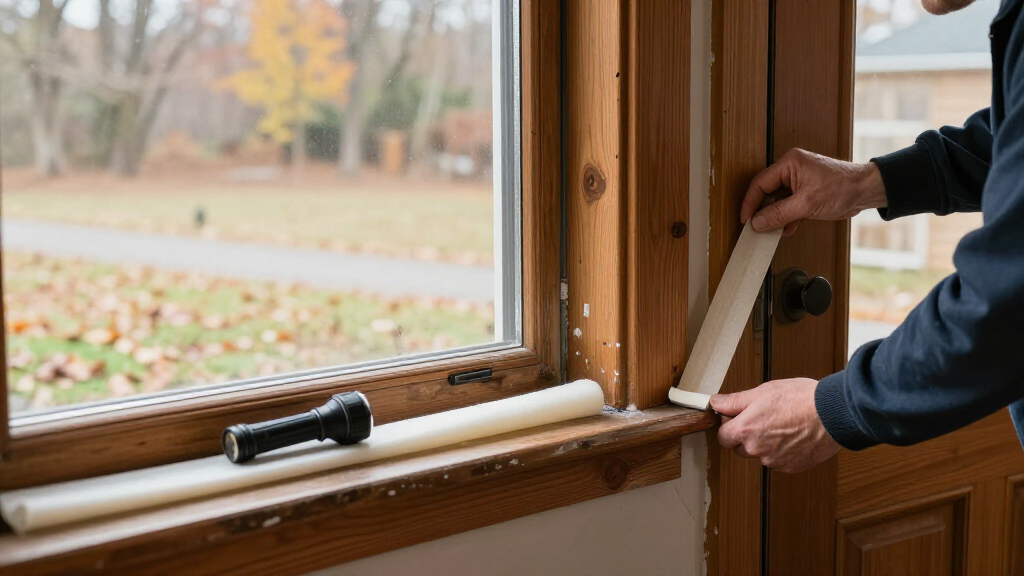
The other areas listed are exterior walls; windows and doors; water pipes; basements and crawl spaces; garage walls and ceilings; HVAC ductwork; electrical outlets; and small openings where pipes or wires enter the home. Contractor Bob Cardwell recommends checking deteriorated window and door seals and weatherstripping, and using a door sweep to limit drafts. He says exposed ducts can be checked for escaping air while the heating system runs, with leaks sealed using mastic or UL-listed foil tape rather than ordinary duct tape.
For plumbing, Cardwell says to focus on pipes near exterior walls or in unheated areas such as attics, basements and crawl spaces. Foam sleeves may suit exposed pipes in somewhat protected areas; for pipes in places that regularly fall below 32 degrees Fahrenheit, he advises electric heat cables. The report also recommends sealing small gaps around outlets, pipes and wires, and paying attention to the rim joist and foundation openings.
Where Heat Escapes First
These checks address separate routes for heat loss: air leaks let drafts enter, while insufficient insulation allows heat to pass through building materials. The report says improved insulation can also help prevent plumbing from freezing and keep heating systems from overworking. It does not quantify expected savings or guarantee a change in energy bills; results will depend on the home’s condition and the work performed.
The checklist also points to a practical order of inspection. Attics and roof spaces are highlighted because warm air rises and gaps can connect cold attic air with rooms below. Plumbing in unheated spaces and openings around the home’s perimeter are other areas the quoted contractors identify as worth checking before temperatures drop.
Products Worth Considering

Bose SoundLink Max Portable Bluetooth Speaker, IP67 Waterproof, Black

Samsung 65-Inch M70H Series 4K Mini LED Smart TV (2026)

Shark WANDVAC Power PET Cordless Handheld Vacuum, White, WV410WH
As an affiliate, we earn on qualifying purchases.
The Report’s Fall Checklist
The source article presents winterization as a combination of air sealing and insulation. Kazimierski says sealing gaps can improve overall insulation, but does not replace insulation that slows heat transfer through materials such as wood and metal. The contractors offer examples of materials for different locations: blown-in insulation for finished walls, spray foam for sealing wall gaps, and closed-cell foam around basement rim joists in damp conditions.
The report says a garage generally does not need full insulation if it is used only for parking, but a wall shared with the house should be insulated. If the garage is finished and used for other purposes, Cardwell recommends treating its walls and ceiling like the rest of the home. The supplied material also says spring may be the best time to add attic insulation, according to Cardwell, but the excerpt ends before explaining why.
““Sealing gaps goes a very long way with improving overall insulation.””
— Andre Kazimierski, HomeHero Roofing
Costs, Savings and Home Conditions
The report gives no cost estimates, energy-savings figures or measured results for the listed improvements. It also does not specify insulation levels for particular climates or home types, so the appropriate amount and material will vary. Its advice is a general checklist, not an assessment of any individual property.
The source excerpt ends mid-sentence after saying spring may be the best time to add attic insulation. It does not provide Cardwell’s explanation, and it is unclear whether the article’s recommendations are meant for every home or only where inspections find gaps, damage or inadequate insulation.
Inspect Before Temperatures Drop
The report advises homeowners to inspect seals, weatherstripping, attic insulation and accessible plumbing before winter. Where an older or weathered roof may have gaps, Kazimierski recommends a roofer inspection. Homeowners can check for drafts and visible openings, while the report’s suggestions for materials depend on whether areas are finished, exposed or damp.
For pipes in spaces that regularly fall below freezing, Cardwell recommends electric heat cables; the source does not give installation instructions. The next steps for any home depend on what an inspection finds and whether repairs or added insulation are needed.
Key Questions
Which part of the home should be checked first?
The report puts attic and roof spaces first because warm air rises and gaps can let cold air move between the attic and the living area.
Do all water pipes need insulation?
No. The report says to focus on pipes near exterior walls and those in unheated areas, such as attics, basements and crawl spaces. Insulating hot water pipes can also limit heat loss.
What should be used to seal HVAC duct leaks?
Cardwell recommends mastic or UL-listed foil tape for exposed duct leaks. He says ordinary duct tape dries out and does not work well on HVAC ducts.
Does every garage need full insulation?
The report says a garage generally does not need to be fully insulated if it is used only for parking. It recommends insulating a wall shared with the home; finished garages used for other purposes may need their walls and ceiling treated like the rest of the house.
Source: rss