
Applying a new coat of paint too soon can cause wrinkles because the underlying layer hasn’t fully dried or cured, trapping moisture and solvents. You might notice surface tackiness, brush marks, or uneven texture. To fix this, remove the affected paint, clean and sand the surface, then wait longer before recoating. Proper timing helps prevent wrinkling; keep this in mind, and you’ll discover more tips to achieve a smooth finish.
Key Takeaways
- Recoat too soon while the paint is still tacky traps solvents, causing wrinkles and uneven surface texture.
- Signs include stickiness, brush marks, or areas that feel soft, indicating it’s too early to apply another coat.
- To recover, remove wrinkled paint, sand the surface smoothly, and wait until fully dry before reapplying.
- Follow manufacturer’s drying times and use tools like a moisture meter to ensure proper curing before recoating.
- If issues persist, seek professional help to prevent further damage and ensure proper surface preparation.
Why Do Wrinkles Form When Recoating Too Soon?

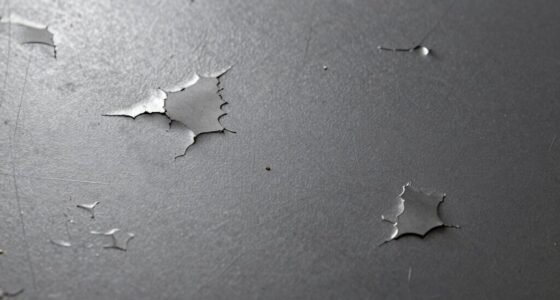
When you apply a new coat of paint or finish before the previous layer has fully dried, wrinkles can form quickly. This happens because the underlying paint film hasn’t completed its curing process. During curing, the paint film bonds and hardens, releasing solvents and stabilizing. If you recoat too soon, the fresh layer interacts with the still-soft paint beneath, trapping solvents and moisture. This interferes with proper adhesion and causes the top layer to wrinkle as it pulls and shrinks unevenly. Basically, the paint film isn’t ready to support another coat, leading to surface imperfections. Waiting for the curing process to finish ensures each layer fully sets, preventing wrinkles and resulting in a smooth, durable finish. Additionally, curing time varies depending on the type of paint and environmental conditions, which should be taken into account to avoid premature recoating. Understanding paint curing processes can help you plan your recoating schedule more effectively to achieve optimal results, especially since environmental factors such as humidity and temperature can significantly influence drying and curing times.
How Can You Tell If You Recoated Too Early?

You can often spot signs that you’ve recoated too early by observing the surface of the paint. If the new coat feels sticky or soft, it’s a clear sign you didn’t allow enough surface preparation time. Additionally, look for areas where the paint hasn’t adhered properly, causing uneven texture or visible brush marks. To better understand these signs, review the table below:
| Sign | What It Means | Action Needed |
|---|---|---|
| Sticky or soft surface | Recoat too soon, paint hasn’t cured fully | Allow more drying time |
| Poor paint adhesion | Surface wasn’t prepared properly | Properly clean and sand the surface |
| Visible brush marks | Paint is still tacky or uneven | Wait longer before recoating |
Recognizing these signs helps prevent wrinkling caused by recoat timing issues.
How to Fix Wrinkles Caused by Recoating Too Quickly

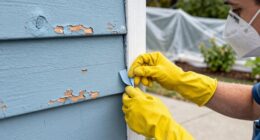
Wrinkles caused by recoating too quickly can often be remedied with a few straightforward steps. First, you need to remove the wrinkled paint, which requires proper paint removal techniques. Use a scraper or sandpaper to gently lift the loosened paint without damaging the surface. Once the wrinkles are removed, focus on thorough surface preparation: clean the area to eliminate dust, grease, or residue that can interfere with adhesion. If necessary, sand the surface to create a smooth, even base for the new coat. After cleaning and preparing, apply a compatible primer if needed, then reapply the paint at the appropriate time. Proper surface preparation is key to preventing future wrinkling and ensuring a smooth, professional finish. Additionally, understanding proper painting techniques and drying times can help you avoid this common mistake in future projects. Being aware of paint drying times can significantly improve your results and prevent recoat issues.
Tips to Time Your Recoat Properly and Prevent Wrinkles

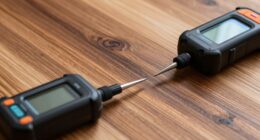
Timing your recoat correctly is essential to prevent wrinkles and achieve a flawless finish. You should wait until the paint is fully drying before applying a new coat. Rushing this process increases the risk of creating wrinkles, especially if the paint is still tacky or soft. Keep an eye on weather conditions, as high humidity, rain, or extreme temperatures can slow paint drying and extend the wait time. Conversely, hot, dry conditions may cause paint to dry too quickly, making it tricky to recoat at the right moment. To avoid these issues, check the paint manufacturer’s recommended drying times and monitor weather forecasts. Being patient and attentive to drying signals guarantees your paint is ready for the next coat, reducing the chances of wrinkles forming. Additionally, understanding the effects of environmental factors on paint curing can help you better judge the optimal recoat timing. Recognizing the importance of proper drying conditions can significantly influence the final outcome of your paint job. For best results, consider using a moisture meter to gauge when the surface has adequately dried before recoating.
When Should You Call a Pro for Wrinkled Paint?

Deciding when to call in a professional becomes clear when DIY efforts lead to persistent or severe paint issues like wrinkles that won’t smooth out or disappear with further coats. If you’ve checked the paint temperature and found it’s outside the recommended range, or if surface preparation was rushed or inadequate, the problem may be too complex to fix alone. Wrinkled paint caused by improper surface prep or improper drying conditions often requires expert intervention. A pro can properly assess the situation, strip or sand off the affected paint, and ensure proper surface preparation and correct paint temperature before reapplying. If your attempts to fix the wrinkles stall or worsen, it’s time to bring in a professional to avoid further damage. Additionally, understanding painting best practices can help prevent similar issues in future projects, especially since issues like water-based paint problems can arise if conditions aren’t optimal. Proper environmental controls are also crucial in maintaining ideal drying conditions and preventing re-wrinkling. Recognizing early signs of paint failure can save time and resources by addressing issues promptly before they become severe, and consulting with a qualified painter can provide valuable insights into avoiding these mistakes altogether.
Frequently Asked Questions
Can Environmental Factors Increase the Risk of Wrinkling During Recoating?
Yes, environmental factors like humidity effects and temperature impact can increase your risk of wrinkling during recoating. High humidity slows down drying, making the paint more prone to wrinkles if you apply the next coat too soon. Similarly, low temperatures can cause the paint to dry unevenly, leading to wrinkles. To avoid this, always check the weather forecast and wait for ideal conditions before recoating.
What Are the Signs That Paint Is Not Curing Properly?
Like a cracked mirror, improperly cured paint shows clear signs. You’ll notice poor paint adhesion, where the paint peels or flakes easily. The surface might feel tacky or sticky long after application. If you see these issues, it indicates the paint isn’t curing correctly. This often results from inadequate surface preparation or environmental factors. Address these signs promptly to prevent further damage and ensure a durable, smooth finish.
How Long Should I Wait Between Coats for Different Paint Types?
You should wait for the recommended recoat interval, which varies by paint type. For latex paint, typically wait 4-6 hours, while oil-based paints may need 24 hours or more. Always check the dry time specified on the label, as rushing your recoat can cause issues like wrinkling. Ensuring the first coat is properly dry helps achieve a smooth, durable finish and prevents recoat problems.
Are There Specific Paint Brands Less Prone to Wrinkling?
Some paint brands, like Benjamin Moore and Sherwin-Williams, are less prone to wrinkling because they offer better paint adhesion and finish durability. When you choose high-quality paints, you’re more likely to get a smooth, even coat without wrinkles. Always follow the manufacturer’s recommended drying times, and consider using primers for improved adhesion. This helps make certain your finish remains flawless and long-lasting.
What Safety Precautions Should I Take When Fixing Wrinkled Paint?
Wear protective gear, guarantee proper ventilation, and follow safety guidelines when fixing wrinkled paint. You should always don gloves, masks, and goggles to protect your skin, lungs, and eyes. Open windows and use fans to maintain airflow and reduce fumes. Keep the workspace well-ventilated, avoid inhaling paint vapors, and work in a well-lit area. Prioritizing safety helps you fix the issue effectively and keep yourself safe.
Conclusion
Remember, haste makes waste, especially with paint. Waiting for the right time to recoat guarantees a smooth, flawless finish and saves you from costly fixes. By recognizing the signs of premature recoating and following proper timing tips, you can avoid wrinkles and achieve professional results. When in doubt, don’t hesitate to call in a pro—sometimes, a expert’s touch is worth more than rushing. Patience truly is a virtue in painting.