
Before sanding or spraying on older homes, test for lead paint using a kit and assume it’s present if your house was built before 1978. Wear a respirator, gloves, and eye protection, and cover your work area with plastic to contain dust. Use wet methods to reduce dust, and clean thoroughly with a HEPA vacuum and damp cloths afterward. Following these safety steps helps prevent lead exposure—discover more essential tips to work safely and effectively.

Get business pricing on tools and workshop supplies
- Business-only prices and quantity discounts
- Tax-exempt purchasing
- Multiple users, one account, clear invoices
Key Takeaways
- Test for lead paint using a certified lead test kit before starting work.
- Wear proper protective gear, including a respirator, gloves, and eye protection.
- Contain dust and debris by sealing vents, doorways, and covering surfaces with plastic sheeting.
- Use wet sanding or scraping techniques to minimize airborne dust during preparation.
- Clean thoroughly with HEPA vacuum and damp cloths after completing work to remove residual lead dust.
Are you aware of the dangers lead paint can pose to your health? If you’re planning to sand or spray in a home built before 1978, understanding lead paint risks is essential. Lead exposure can cause serious health problems, especially in children, pregnant women, and pets. Lead dust created during sanding or spraying can easily become airborne, contaminating your environment and posing inhalation or ingestion hazards. That’s why taking proper safety precautions is critical before starting any work involving old paint.
Lead paint hazards can seriously impact your health; take safety precautions before working on older homes.
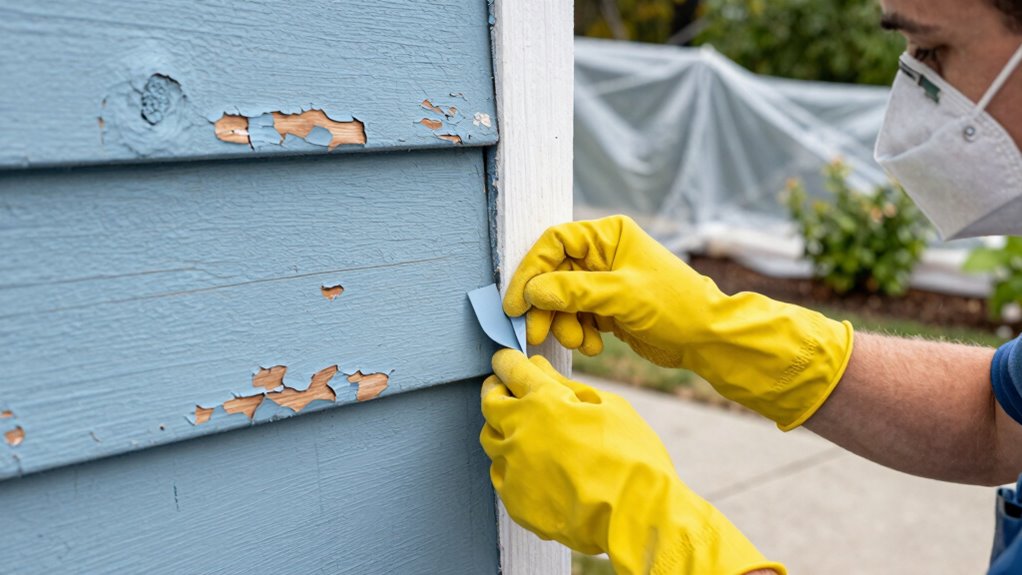
First, you need to identify whether lead paint is present. You can do this by conducting a lead test kit, which is available at most hardware stores. If the test confirms lead paint, you must treat the area with respect and caution. Avoid disturbing the paint unless you’re prepared to handle the risks. If you’re unsure, consulting with a professional who specializes in lead-safe work practices can help you determine the best course of action. Remember, attempting to remove or disturb lead paint without proper safety measures can release dangerous dust and chips into your home.
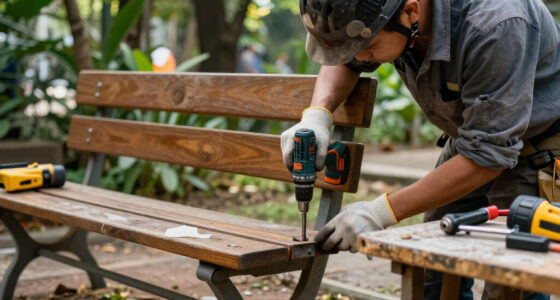
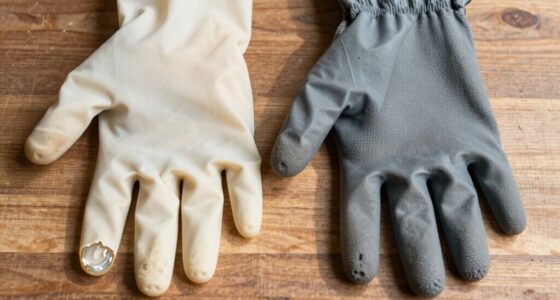
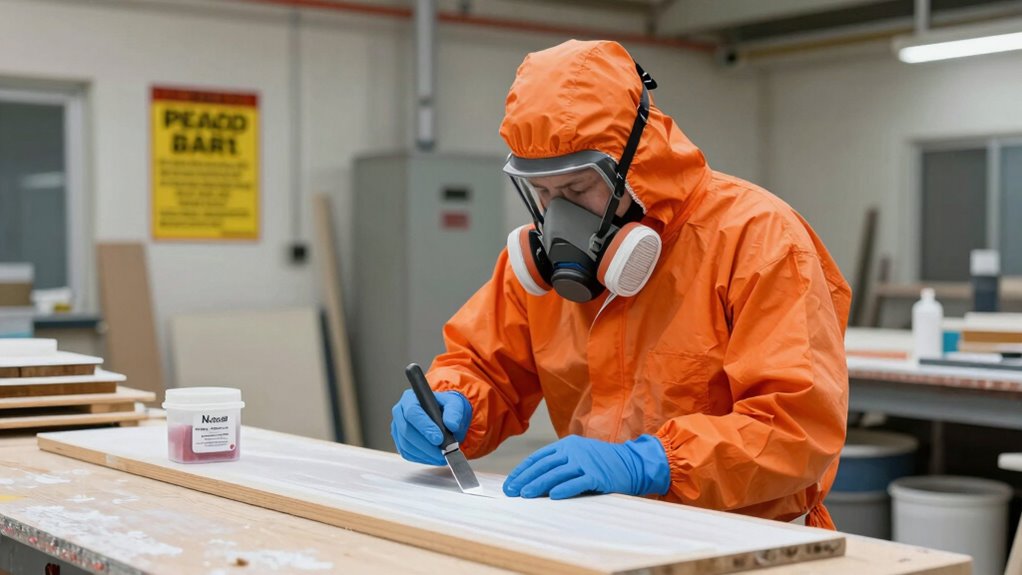
When preparing for sanding or spraying, ensure you wear appropriate protective gear. Use a high-quality respirator that’s rated for lead dust, not just a dust mask. Gloves, long sleeves, and eye protection are also essential to prevent skin contact and accidental ingestion of contaminated dust. Cover your work area with plastic sheeting to contain any debris, and seal off vents and doorways with plastic to prevent dust from spreading to other parts of your home. It’s important to work in a well-ventilated space, ideally with a HEPA-filtered vacuum and air purifier running to capture airborne particles.
Before you start, clear the area of furniture and belongings that don’t need to be exposed. Wet sanding or scraping can reduce dust, so keep the surface moist to minimize dust clouds. Never dry-sand or dry-scrape, as these methods create more airborne dust. If spraying is necessary, use a low-pressure, professional-grade sprayer and ensure you cover surrounding surfaces thoroughly. After completing your work, carefully clean the area with a HEPA vacuum and damp cloths, avoiding dry sweeping which can stir up dust.
Additionally, understanding lead-safe work practices can significantly reduce the risk of contamination and exposure during renovation projects. Ultimately, addressing lead paint risks responsibly means respecting its hazards and following safety precautions diligently. It’s better to take extra steps now to protect yourself, your family, and your pets from lead exposure. If in doubt, always seek professional help in handling lead-based paint, especially when it involves removal or extensive disturbance. Proper preparation and safety measures can make all the difference in ensuring your project is safe and effective.
As an affiliate, we earn on qualifying purchases.
Frequently Asked Questions
How Can I Identify Lead-Based Paint in My Home?
To identify lead-based paint in your home, start with paint testing kits available at hardware stores, but remember, they may not always be accurate. For a definitive answer, hire a professional lead inspection. They use specialized tools to detect lead safely and accurately. Always prioritize professional testing if you’re unsure, especially before sanding or spray work, to ensure your safety and comply with regulations.
What Are the Health Risks of Lead Paint Exposure?
Lead poisoning can cause serious health hazards, especially when you’re exposed to lead paint. You might experience developmental delays, learning difficulties, and other long-term effects. Young children and pregnant women are especially vulnerable. By handling lead paint improperly, you risk risking irreversible damage. Protect yourself and your family by understanding these risks, avoiding exposure, and following safety precautions to prevent potential health hazards linked to lead poisoning.
Are There Eco-Friendly Alternatives to Sanding or Spraying Lead Paint?
Yes, there are eco-friendly alternatives to sanding or spraying lead paint. You can use biodegradable paint options that are less harmful to the environment and safer for you. Natural lead paint removers made from plant-based ingredients help break down lead paint without releasing toxic dust or fumes. These options reduce health risks and environmental impact, making your renovation safer and more sustainable. Always follow manufacturer instructions for safe application.
How Often Should I Test for Lead Paint During Renovations?
Think of lead paint testing like checking your oil regularly—it’s essential for safety. You should conduct paint sampling and testing frequency depend on your project, but generally, test before starting any renovation and periodically if the work extends. For example, if you’re sanding or spraying, test after each phase to ensure no lead dust is released. Regular testing keeps you safe and compliant, preventing dangerous lead exposure.
What Are the Legal Requirements for Lead Paint Removal?
You must follow federal regulations for lead paint removal, which require a certified lead hazard inspector to conduct a lead inspection before starting work. If lead-based paint is present, you need to hire certified contractors trained in lead-safe work practices. Guarantee proper containment, cleanup, and disposal according to federal guidelines. Failing to comply can result in hefty fines and health risks, so always adhere to legal requirements for safe removal.
Conclusion
Remember, tackling lead paint safely isn’t just about following rules—it’s about protecting your health and your loved ones. If you’re worried about the hassle or cost, consider that proper precautions can actually save you money and prevent serious health issues later. Don’t skip steps like testing or using protective gear; rushing could lead to exposure. Taking these simple safety measures guarantees you get the job done right and keep everyone safe.
Fall Picks
fall essentials
As an affiliate, we earn on qualifying purchases.