
TL;DR

Get business pricing on tools and workshop supplies
- Business-only prices and quantity discounts
- Tax-exempt purchasing
- Multiple users, one account, clear invoices
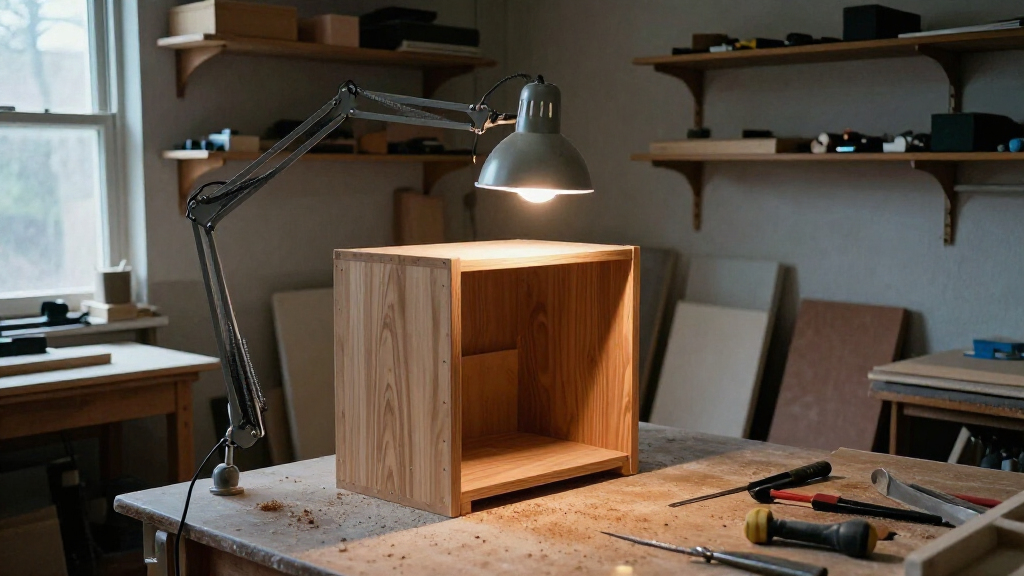
Task lighting means focused illumination for a specific activity, not a particular fixture style. Lighting designers quoted by Livingetc say it can come from pendants, floor lamps or other fittings, provided the light reaches the work area comfortably. The report recommends planning it around household routines and combining it with ambient and accent lighting.
Task lighting is focused illumination intended to help with a specific activity, such as reading, cooking or working, according to a Livingetc report featuring lighting designers. The explanation challenges the idea that task lighting must look like a bright overhead fitting or LED strip: any fixture can serve the role if it puts enough light where the activity takes place.
Vanessa Macedo, an associate lighting designer at John Cullen Lighting, defines task lighting as light designed to support an activity by providing focused illumination where it is needed. She says its purpose is to make tasks practical and comfortable, including helping people avoid eye strain. The report distinguishes this function from decorative accent lighting, which highlights features such as artwork, materials or architectural details.
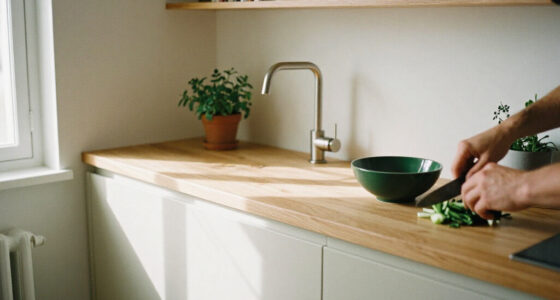
Kiersten Hoiland, founder of Hoiland Studios, describes task lighting as a functional requirement rather than a fixture style. A pendant above a kitchen island, a floor lamp beside an armchair or a reading light by a bed can all serve as task lighting if they illuminate the relevant surface or activity adequately. The article does not prescribe a particular brightness, color temperature or product.
The designers advise starting with routines rather than shopping for a fitting. A household might need work-surface lighting in the kitchen, a reading light beside a chair, or a suitable fixture over a dining table used for work. The report says a hallway generally calls for comfortable light for moving through the space, while kitchen work areas need more deliberate illumination.
Lighting That Supports Daily Tasks
Task lighting affects whether rooms are practical to use, not just how they look. Poorly directed or insufficient light can make reading, food preparation and other close-up activities less comfortable. Planning around the actual task can also help homeowners avoid choosing a decorative fixture that does not adequately light the surface it is meant to serve.
The advice matters because it broadens the options: homeowners do not have to choose between a functional light and an attractive one. As Hoiland’s comments indicate, a decorative pendant can qualify when it directs sufficient light onto a work area. That does not mean every attractive fitting will work; its placement and the light reaching the task remain the test.
The report also places task lighting within a layered lighting scheme. Macedo says task lighting provides function, ambient lighting sets the room’s general mood, and accent lighting draws attention to selected details. These roles can complement one another, but the article does not offer a technical calculation or a guarantee that one arrangement will suit every home.
Products Worth Considering

Philips Hue Large Smart Light Tube, Black – White and Color Ambiance LED Color-Changing Light – 1 Pack

Levoit Eleva 300X HEPA Air Purifier for Home and Bedroom

Philips Hue Bridge Pro Smart Lighting Hub
As an affiliate, we earn on qualifying purchases.
A Function, Not a Fixture Type
The Livingetc report addresses a common design distinction: lighting can be selected for appearance, for general room illumination, or for a particular activity. It focuses on the last category, arguing that the term refers to what the light does, rather than a recognizable shape or product category. This is why both a discreet linear LED and a pendant may meet the definition.
The article notes that kitchens and bathrooms are often associated with task lighting because their uses are readily identifiable. But it says the same principle applies elsewhere, depending on how people use the room. Reading in bed, applying makeup at a sink and working at a dining table are examples cited by the designers. The source presents these as planning considerations, not as a universal checklist for every home.
“Task lighting is lighting designed to support a specific activity, providing focused illumination exactly where it is needed.”
— Vanessa Macedo, associate lighting designer at John Cullen Lighting, quoted by Livingetc
No Technical Specifications Provided
The report gives general design guidance, not technical standards. It does not specify recommended light levels, fixture spacing, color temperature, glare limits or product models, and it does not compare the performance of different lighting technologies. Its advice to provide sufficient light is qualitative, so the right setup will depend on the room, the task and the fixture.
The source also does not establish that a particular arrangement will prevent eye strain or suit every user. Macedo describes comfort and practicality as aims of task lighting, but the report supplies no testing or measured outcomes. Readers seeking exact specifications for a renovation or installation would need additional product or professional guidance.
Plan Around Your Household Routines
The practical next step in the designers’ approach is to identify where focused light is needed: note activities such as cooking, reading, applying makeup or working at a table, then consider whether the existing fixture directs light onto the relevant area. Homeowners can assess task lighting alongside ambient and accent lighting rather than treating each fitting as an isolated purchase.
Livingetc’s report does not announce a product launch, policy change or scheduled follow-up. It offers a design framework; the specific fixture choices and technical requirements remain dependent on each home and its occupants.
Key Questions
What does task lighting mean?
Task lighting is focused illumination intended to support a particular activity, such as reading, cooking, working or applying makeup.
Does task lighting have to be a desk lamp or LED strip?
No. The Livingetc report says a pendant, floor lamp or other fitting can serve as task lighting if it directs sufficient light to the area where the activity happens.
Where should task lighting go in a home?
Place it where a household needs focused illumination. Examples in the report include kitchen work surfaces, a bedside reading spot, a dining table used for work, and a floor lamp beside an armchair.
How is task lighting different from ambient lighting?
Task lighting supports a specific activity. Ambient lighting provides the room’s general illumination and helps establish its overall mood; accent lighting highlights selected details.
Does the report give recommended brightness levels?
No. It offers qualitative advice about directing enough light to the task but does not give numerical brightness levels, technical specifications or product recommendations.
Source: rss