Using masking machines helps you save hours by automating tape application, which guarantees precise, consistent lines and reduces the risk of bleed-through. Proper surface prep enhances the tape’s adhesion, preventing paint seepage and creating sharp edges. These machines handle large areas quickly and minimize human error, giving you a professional finish faster. If you want to learn how to optimize your masking process for perfect results, keep exploring the key tips and techniques.

Get business pricing on tools and workshop supplies
- Business-only prices and quantity discounts
- Tax-exempt purchasing
- Multiple users, one account, clear invoices
Key Takeaways
- Masking machines automate application, ensuring fast, consistent, and precise masking that reduces manual errors and saves time.
- Proper surface preparation enhances mask adhesion, preventing paint bleed-through and ensuring clean, sharp edges.
- Adjustable masking parameters allow customization for different surface areas, increasing efficiency and minimizing rework.
- Using masking machines produces less waste and mess, reducing cleanup time and maintaining a professional finish.
- Consistent, high-quality masking with machines minimizes touch-ups, ensuring a smooth painting process and hours saved.
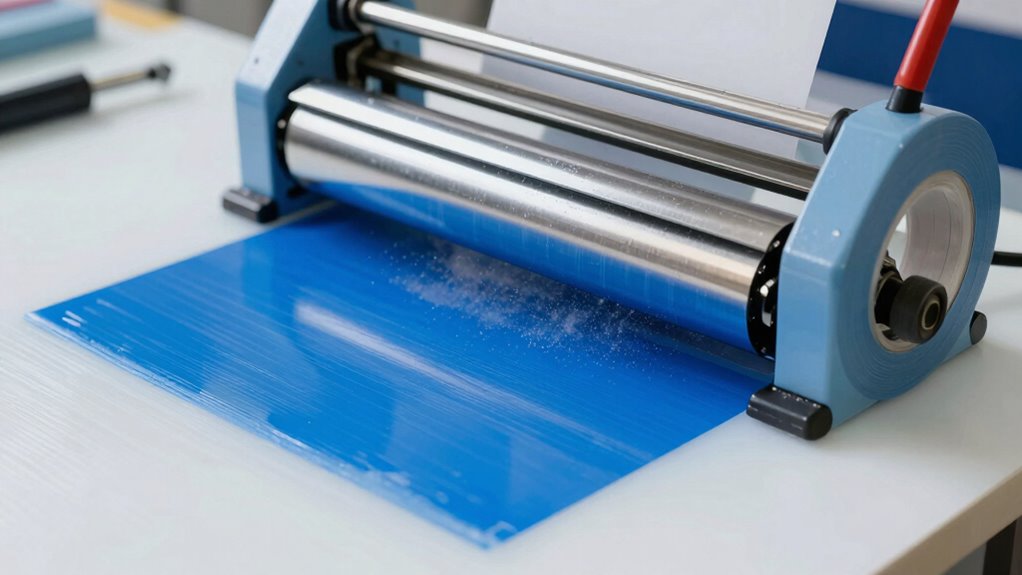
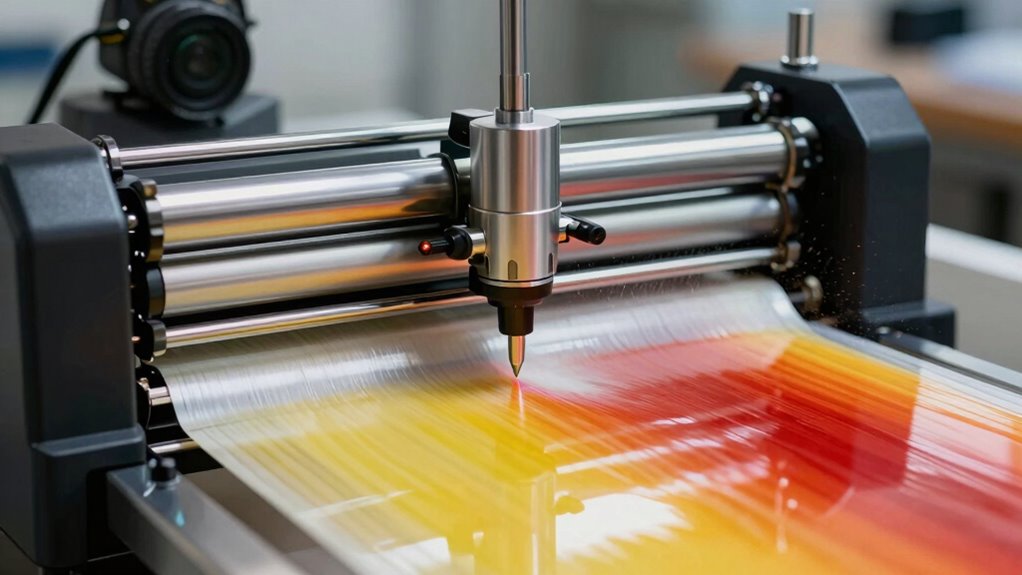
Masking machines are versatile tools that streamline the process of applying protective or decorative masks onto surfaces. When you’re working on a project, whether it’s painting walls, furniture, or automotive parts, they help you achieve sharp, clean lines quickly and efficiently. One of the main benefits of using a masking machine is how it simplifies the paint application process. Instead of manually taping edges or applying masking tape by hand, these machines automate much of that work, saving you time and reducing the risk of mistakes. As a result, you get a more consistent finish and fewer touch-ups afterward.
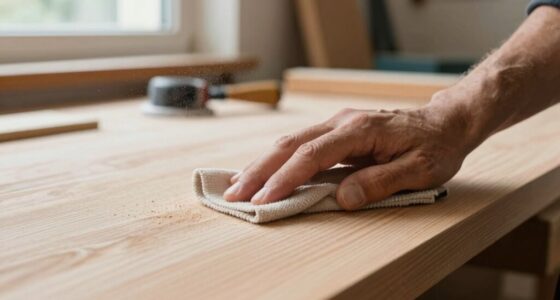
Before you start masking, surface preparation is key. Proper surface prep ensures that the mask adheres well and that paint doesn’t bleed through or seep under the edges. Masking machines work best when surfaces are clean, dry, and free of dust or grease. This means you should take a few moments to wipe down or sand the area before applying the mask. When you do this, you create an ideal surface for the masking material to stick to, which prevents paint bleed-through and ensures crisp lines. A well-prepared surface also means less rework later, making your entire project more efficient.
Proper surface prep ensures sharp lines and reduces rework for a more efficient masking process.
Using a masking machine for paint application offers precise control over the masking process. You can adjust the width and length of the mask, which helps you tailor it to your specific project needs. This flexibility allows you to cover large areas quickly or focus on detailed sections without sacrificing accuracy. The machine’s design minimizes human error, so you’re less likely to struggle with uneven tape lines or accidental overlaps. Plus, because it automates much of the masking process, you can move faster and spend more time on the actual painting rather than on tedious taping tasks.
Another advantage is that masking machines help you maintain a clean work area. They produce less waste and mess compared to hand-taping, which often involves multiple layers of tape and paper. This means less cleanup afterward, saving you additional time. When you’re ready to paint, the masked edges remain sharply defined, providing a professional-looking finish that you might find challenging to achieve with manual taping. Additionally, understanding paint bleed-through and how surface preparation influences masking effectiveness can help you achieve even better results. Overall, a masking machine is an investment that pays off by reducing labor time, improving quality, and ensuring neat, precise results—especially when surface preparation and paint application are handled correctly.
automatic masking machine for painting
As an affiliate, we earn on qualifying purchases.
As an affiliate, we earn on qualifying purchases.
Frequently Asked Questions
Can Masking Machines Be Used on All Types of Surfaces?
Masking machines are versatile and can be used on many surfaces, but their effectiveness depends on surface compatibility and material versatility. You should consider the surface type, like smooth or textured, to guarantee proper adhesion and avoid damage. For best results, choose a masking machine designed for your specific material, whether it’s glass, metal, or plastic. This ensures clean edges and prevents bleed-through, saving you hours of rework.
How Much Maintenance Do Masking Machines Require?
You’ll find that masking machines demand a manageable amount of care, which helps you keep costs in check and guarantee equipment durability. Regular cleaning and inspection prevent buildup and wear, extending the machine’s lifespan. By staying on top of basic maintenance, you avoid costly repairs and downtime, allowing you to focus on your project. Proper upkeep is like nurturing a valuable tool, ensuring consistent performance and long-term savings.
Are Masking Machines Suitable for Small-Scale Projects?
Yes, masking machines are suitable for small-scale projects. They offer benefits like precise masking, faster setup, and consistent results, which are ideal for smaller jobs. When considering project size, think about the machine’s capacity and flexibility to match your needs. Investing in a masking machine helps save time, reduces waste, and guarantees high-quality finishes, making it a valuable tool even for limited or detailed projects.
What Safety Precautions Should Operators Follow?
You should always follow safety precautions when operating masking machines, as accidents can happen in less than a second. Studies show that proper use of personal protective equipment reduces injury risk by 70%. Always wear gloves, goggles, and masks, and familiarize yourself with emergency shutdown procedures. Regularly inspect the machine for hazards, and never bypass safety features. Staying vigilant guarantees your safety and keeps production running smoothly.
How Do Masking Machines Handle Intricate or Detailed Designs?
You handle intricate designs with masking machines by utilizing precision cutting tools that accurately follow detailed patterns. The machine guarantees consistent adhesive application, which helps maintain clean edges and prevents bleed-through. You may also use specialized blades or software adjustments to perfect the design. This combination of precision cutting and precise adhesive application allows you to achieve sharp, professional results on complex artwork without sacrificing efficiency.
Conclusion
So, next time you’re wasting hours painstakingly taping edges by hand, remember there’s a magical masking machine waiting to save your precious time—and your sanity. Forget about bleed-through mishaps and tedious cleanup; let the pros handle it effortlessly. Why struggle with old-school methods when you can join the smart, time-saving revolution? Embrace the masking machine and finally enjoy your weekends instead of cursing every paint job. After all, you deserve better than tape-induced madness.
Fall Picks
fall essentials
As an affiliate, we earn on qualifying purchases.