TL;DR

Get business pricing on tools and workshop supplies
- Business-only prices and quantity discounts
- Tax-exempt purchasing
- Multiple users, one account, clear invoices
A Hunker report describes using diluted rubbing alcohol and distilled water as an occasional curtain refresher after vacuuming. The spray may help fabrics dry quickly, but it does not remove the cause of odors, and alcohol is flammable.
Hunker has described a homemade spray made with diluted rubbing alcohol and distilled water as an occasional way to refresh curtains between cleanings. The advice also warns that the mixture does not remove the source of persistent odors, may not suit every fabric and must be kept away from flames and heat because rubbing alcohol is flammable.
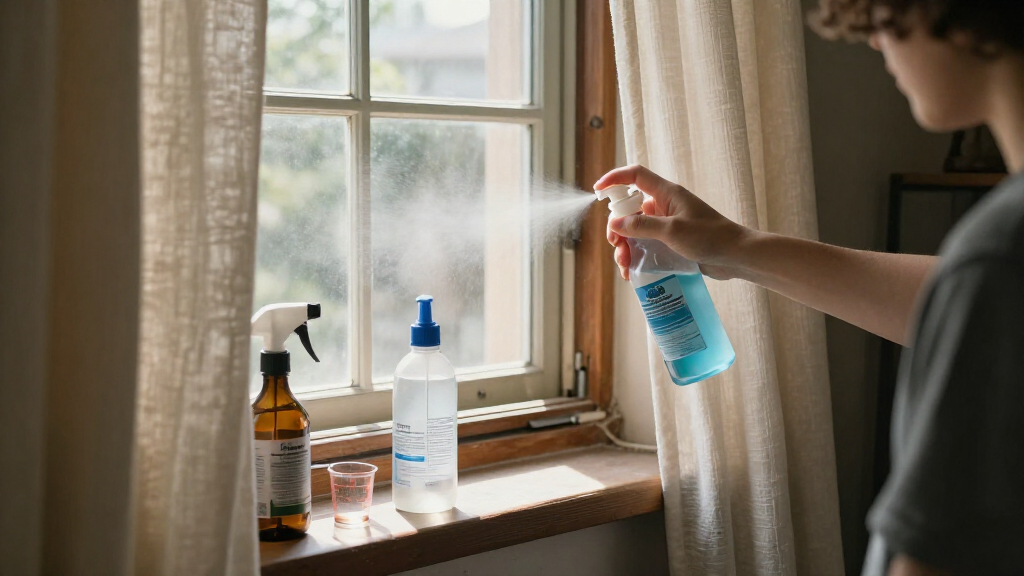
The report’s basic recipe combines ¼ cup of rubbing alcohol with 1 cup of distilled water in a clean, labeled spray bottle. Before applying it, Hunker recommends vacuuming the curtains with an upholstery attachment to remove loose dust. The mixture should be misted lightly over the fabric, not used to soak it, and the curtains should be left to air-dry fully.
Hunker describes rubbing alcohol as a fast-evaporating solvent, which is why it can serve as a quick-drying fabric refresher. The report says the alcohol smell should not linger once it evaporates. Essential oil is optional: the article suggests adding about 10 drops to the bottle for fragrance, after first testing the oil on an inconspicuous area for stains or residue. If oil is added, the bottle should be shaken before each use.
The advice comes with limits. The spray is not presented as a replacement for washing or other care required by the curtain’s label. Hunker says people with dry-clean-only drapes should check with a dry cleaner before using a homemade solution. It also characterizes added fragrance as masking an odor rather than eliminating whatever caused it, and recommends using the spray only in a well-ventilated area, away from candles, heaters and other heat sources.
A Refresher, Not Odor Removal
The suggestion is presented as a way to freshen curtains between cleanings. The report distinguishes freshening a surface from cleaning it: fragrance may temporarily cover an unpleasant smell while leaving its underlying cause. It does not claim that the mixture disinfects curtains or removes stains.
Rubbing alcohol is flammable, so spraying it near an open flame or heat source can create a hazard. Hunker advises storing the mixture in a clearly labeled, upright bottle in a cool place away from heat to reduce the risk of accidental misuse.
The report does not establish that its recipe is suitable for all curtain materials, dyes or finishes. Testing a small, hidden area first is a precaution; following the care label remains the main guidance for routine cleaning. For dry-clean-only fabric, the article recommends asking a professional before applying the spray.
How the Suggested Method Works
The supplied Hunker report frames the mixture as a DIY alternative to linen spray for curtains that may have been overlooked during regular household cleaning. Its proposed sequence is simple: remove loose dust by vacuuming, prepare the diluted solution, apply a light mist and allow the fabric to dry. The article presents quick evaporation as the reason alcohol can work as a refresher, rather than as a deep-cleaning treatment.
The distinction is central to the recommendation. Hunker says that adding essential oil can provide a fresh scent, but it does not address the material responsible for a stale odor. The report instead describes the spray as an occasional finishing touch after deeper cleaning and advises keeping curtains clean of anything especially odorous. It does not provide testing data or compare the mixture with commercial products.
“Think of this solution as an alternative to a linen spray.”
— Hunker report
Fabric Suitability and Results
The supplied report does not identify which curtain fabrics, dyes or finishes have been tested with the recipe, or provide evidence comparing its odor-refreshing effect with other methods. The response of a particular curtain is therefore not established by the article; the report advises testing essential oil for staining or residue and consulting a dry cleaner for dry-clean-only drapes.
It is also unclear what is causing any particular stale smell. Since the article says fragrance may mask rather than remove the source, the spray may not address odors tied to dirt or another underlying problem. The source material does not specify how long any freshened effect lasts or how often the spray should be used.
Check the Label Before Spraying
Anyone considering the method should first check the curtain’s care label and seek professional advice for dry-clean-only fabric. If proceeding, Hunker’s instructions call for vacuuming first, using the stated diluted recipe, applying only a light mist and letting the curtains dry fully in a well-ventilated area. Keep the spray away from flames and heat, and store it upright in a labeled bottle in a cool location.
If the odor persists, a refresher alone may not address the cause. The report advises following the curtain’s approved cleaning instructions and addressing the source of the smell rather than relying on added fragrance.
Key Questions
What is the recipe described in the report?
Hunker specifies ¼ cup of rubbing alcohol mixed with 1 cup of distilled water in a clean, labeled spray bottle.
Does the spray remove the cause of a stale smell?
The report does not claim that it does. It says added fragrance can mask an odor, while the cause may remain; it describes the mixture as a finishing touch after cleaning.
Can it be used on dry-clean-only curtains?
Hunker advises checking with a dry cleaner before applying a homemade spray to dry-clean-only drapes.
What safety precautions does the article give?
Use the spray in a well-ventilated area and keep it away from candles, heaters and other heat sources because rubbing alcohol is flammable. Store the labeled bottle upright in a cool place away from heat.
Should essential oil be added?
It is optional. Hunker suggests about 10 drops for fragrance, but recommends testing the oil on the fabric first for stains or residue and shaking the bottle before use.
Source: rss
Fall yard work Picks
leaf blowers
As an affiliate, we earn on qualifying purchases.