
A push-pull ventilation setup helps you control overspray indoors by creating a steady airflow that pulls contaminated air away from your workspace and pushes in clean air. This system uses fans, filters, and ducting to keep airborne particles, fumes, and overspray from settling on surfaces or spreading. Proper design and regular maintenance guarantee consistent airflow and safety. Keep going to discover how to optimize this setup for your projects and maintain a clean, safe environment.

Get business pricing on tools and workshop supplies
- Business-only prices and quantity discounts
- Tax-exempt purchasing
- Multiple users, one account, clear invoices
Key Takeaways
- The push-pull ventilation system uses strategically placed fans to create a controlled airflow, directing overspray away from the workspace.
- Intake filters clean incoming air, while exhaust filters trap fine particles and fumes, maintaining air quality during indoor painting.
- Proper ducting and baffles ensure consistent airflow, prevent turbulence, and minimize overspray buildup on surfaces.
- Sealing the booth environment and maintaining filters optimize system efficiency and prevent leaks that could compromise overspray control.
- Regular maintenance and airflow monitoring are essential to sustain effective overspray management and ensure a safe, clean indoor painting environment.
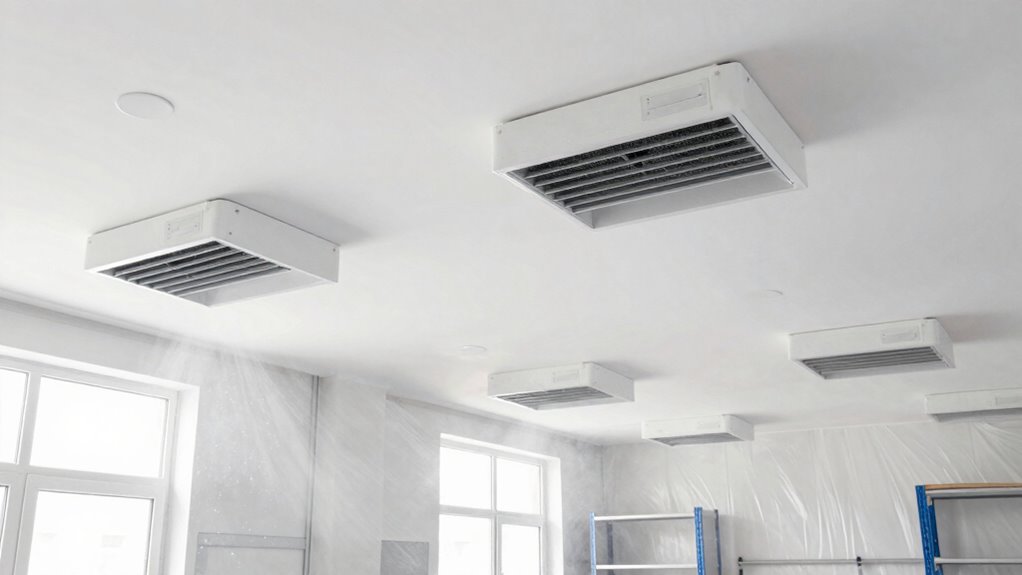
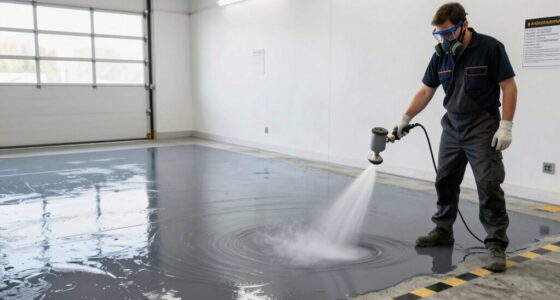
Overspray can quickly become a messy problem when you’re painting indoors, but with the right precautions, you can keep your space clean and your project on track. One effective way to manage overspray is by setting up a proper ventilation “push-pull” system, which relies heavily on air filtration and thoughtful spray booth design. This method helps control airborne particles and directs overspray away from the workspace, ensuring a safer and cleaner environment.
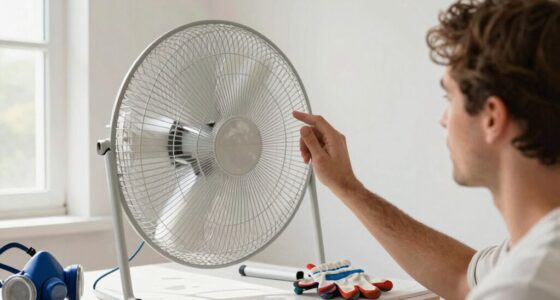
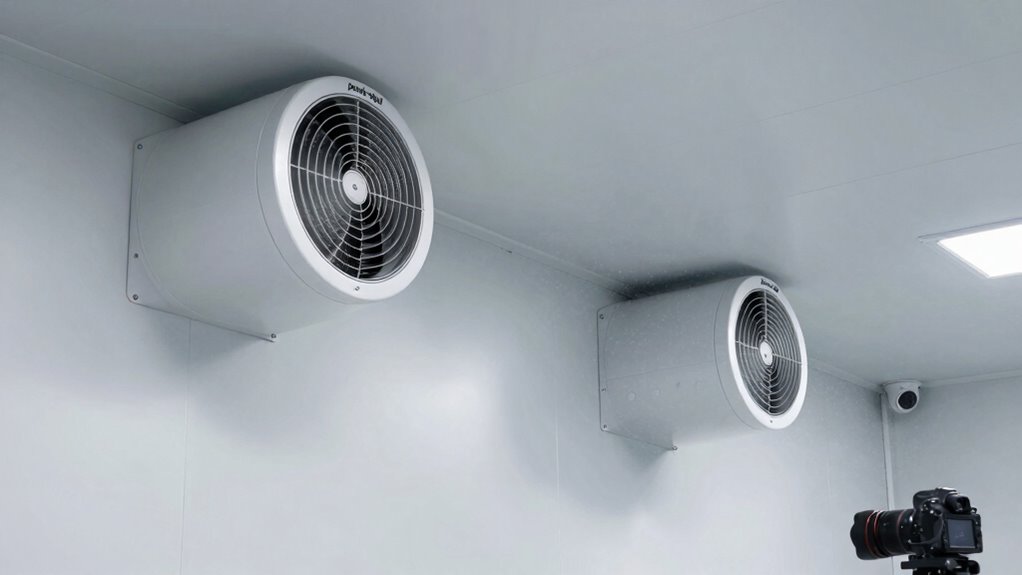
In a push-pull setup, you position fans to create a steady airflow that pushes fresh air into the spray area while pulling contaminated air out efficiently. The key to success lies in designing a spray booth that facilitates this airflow pattern. Your booth should have an intake that draws in clean, filtered air, ensuring that dust and overspray particles don’t settle on your workpiece or escape into the room. The exhaust side, equipped with high-quality air filtration systems, pulls contaminated air out, capturing overspray before it can drift elsewhere. This continuous airflow prevents overspray from settling on surfaces or lingering in the air, which could otherwise settle on your freshly painted project or compromise air quality.
Proper spray booth design isn’t just about fans and filters—it’s about creating a sealed environment where air moves predictably. You want to minimize leaks and ensure that the airflow remains controlled. Using ducting and baffles can help direct airflow precisely, reducing turbulence and dead zones where overspray might accumulate. Incorporating HEPA or activated carbon filters into your exhaust system further enhances air filtration, trapping fine particles and fumes that standard filters might miss. This setup not only keeps your workspace cleaner but also protects your health by reducing airborne toxins.
Sealing and controlling airflow with ducting and filters keeps your workspace clean and safe.
When setting up your ventilation system, consider the size of your workspace and the volume of overspray produced. Larger booths with well-placed intake and exhaust vents will generate more consistent airflow, making overspray control more efficient. Regularly maintaining and replacing filters ensures the system continues to operate at peak performance. Remember, the goal is to establish a steady push of clean air into the booth and a strong pull of contaminated air out, creating a self-contained environment that prevents overspray from escaping into the surrounding area.
indoor spray booth ventilation system
As an affiliate, we earn on qualifying purchases.
As an affiliate, we earn on qualifying purchases.
Frequently Asked Questions
How Effective Is the Push-Pull System in Different Room Sizes?
The push-pull system is quite effective across different room sizes, but its airflow efficiency varies. In smaller rooms, it quickly clears overspray because the airflow circulates well, preventing buildup. In larger spaces, you might need additional fans or vents to maintain ideal airflow. Overall, the system adapts well, but adjusting the setup based on room size ensures you get the best overspray control indoors.
What Maintenance Is Required for Ventilation Fans?
A stitch in time saves nine, so you should regularly maintain your ventilation fans. You need to check filters and replace them as needed to guarantee ideal airflow. Also, lubricate the motor periodically to prevent wear and tear. Keeping up with these maintenance tasks helps your fans run efficiently and last longer, saving you time and money in the long run. Don’t wait until it’s too late—stay proactive with your upkeep.
Can This System Be Used With All Types of Spray Equipment?
Yes, you can use this system with most spray equipment, but you should check equipment compatibility first. The ventilation setup allows for adjustments to suit different spray tools, ensuring ideal overspray control. Keep in mind, some equipment may require specific ventilation modifications for best results. Always test and fine-tune the system to match your spray equipment’s airflow needs, ensuring effective overspray management and safety.
How Do You Ensure Balanced Airflow Without Causing Negative Pressure?
You guarantee balanced airflow by carefully adjusting the intake and exhaust fans to maintain proper pressure regulation. Monitor airflow balance regularly with an anemometer or airflow meter, making small adjustments to prevent negative pressure. Keep the system closed when possible, and avoid blocking vents. This way, you prevent negative pressure, ensure effective overspray control, and maintain a safe, well-ventilated environment during spray operations.
Are There Any Safety Concerns With Vent Placement and Operation?
You should always treat vent placement and operation as a dance with safety in mind. Properly positioned vents minimize fire hazards and electrical safety risks, avoiding hot spots or electrical shorts. Regular inspections ensure vents are secure and functioning correctly, reducing potential dangers. Keep clear of obstructing vents, and never compromise safety for convenience. By staying vigilant, you prevent hazards and maintain a safe, efficient ventilation system that protects both your workspace and well-being.
Conclusion
Think of the ventilation “push-pull” setup as your indoor overspray shield, guiding unwanted particles away like a gentle breeze. By properly installing and maintaining this system, you create a safe, clean environment that keeps overspray from settling where it shouldn’t. It’s your indoor airflow orchestra, ensuring every note of paint stays on the canvas and out of the air. Master this setup, and you’ll keep your space fresh and protected, like a well-tuned symphony.
Fall yard work Picks
leaf blowers
As an affiliate, we earn on qualifying purchases.