If your pump isn’t building pressure, start by inspecting the valves for blockages or leaks, as these can restrict flow. Check the pump’s seals, seals, and diaphragms for wear or damage, which diminish efficiency. Make certain inlet and outlet connections are tight and free of obstructions. Examine the impeller and other components for debris or damage that impair performance. Addressing these common issues can often restore pressure—keep going to uncover more solutions.
Key Takeaways
- Check for stuck, damaged, or partially closed valves that may restrict flow and prevent pressure buildup.
- Inspect the pump’s seals, bearings, and diaphragms for wear, leaks, or damage that could reduce pressure.
- Ensure inlet and outlet connections are secure, free of leaks, blockages, or cracks affecting flow.
- Examine the impeller and filters for debris, corrosion, or damage that impair pump performance.
- Perform routine maintenance to clean, replace worn parts, and verify system components for optimal pressure.

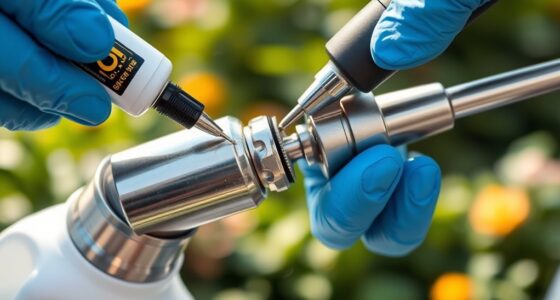
If your pump isn’t building pressure, it can hinder your project or operation, leaving you frustrated and unsure of the cause. One common reason for this issue is valve malfunctions. Valves control the flow of liquids or gases within the pump system, and if they’re stuck, damaged, or not opening fully, the pump won’t generate the necessary pressure. You should start by inspecting all valves involved in the system, making sure they’re functioning smoothly. Look for any signs of corrosion, debris, or mechanical failure that might prevent proper operation. Sometimes, valves can become clogged or stuck in a partially closed position, which restricts flow and reduces pressure output. Regular pump maintenance is crucial for preventing valve malfunctions; neglecting routine checks can lead to buildup or wear that hampers performance. Ensuring valves are clean, lubricated, and correctly seated can make a considerable difference.
Inspect valves regularly for corrosion, debris, or mechanical failure to prevent pressure issues and maintain optimal pump performance.
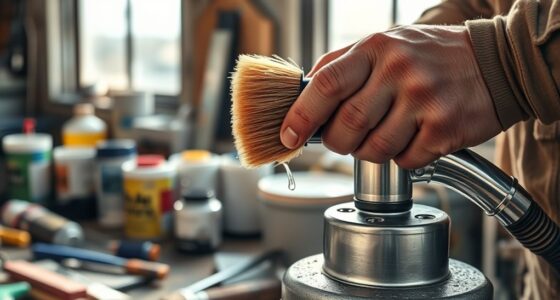
Next, consider your pump maintenance routine. An unmaintained pump is more prone to issues that prevent pressure buildup. Over time, components like seals, bearings, and diaphragms wear out, leading to leaks or loss of efficiency. If seals are damaged or worn, fluid can escape, reducing the pressure that the pump can generate. Similarly, clogged or dirty filters and strainers can restrict flow, making it seem like the pump isn’t building pressure when, in reality, flow is obstructed. Regular inspection and servicing help catch these problems early. Replacing worn parts, cleaning out debris, and ensuring all components are properly lubricated can restore your pump’s pressure capabilities. Additionally, understanding pump system fundamentals can help in diagnosing and preventing pressure issues more effectively.
Another aspect to consider is the condition of your pump’s inlet and outlet connections. Blockages or leaks in these areas can profoundly impact pressure. For example, a loose fitting or a cracked pipe can cause pressure drops, making it seem like the pump isn’t working properly. Tighten fittings and replace damaged hoses or pipes promptly. Also, verify that your pump’s impeller isn’t damaged or clogged, as this can reduce flow and pressure as well. If you notice signs of wear or debris in the impeller, cleaning or replacing it can often resolve the problem.
Ultimately, diagnosing why your pump isn’t building pressure involves a systematic approach: check valves for malfunctions, perform routine pump maintenance, inspect all connections, and replace worn components as needed. Staying on top of routine maintenance and addressing valve issues promptly can help you maintain ideal pressure, ensuring your project runs smoothly without unexpected downtime.
Frequently Asked Questions
Can a Faulty Pressure Switch Cause Pressure Issues?
Yes, a faulty pressure switch can cause pressure issues. When your pressure switch malfunctions, it fails to properly regulate the system, leading to pressure regulation problems. This can prevent your pump from building the correct pressure or cause it to cycle on and off unexpectedly. Check the switch for signs of damage or wear, and replace it if necessary, to restore proper pressure and system performance.
How Does Water Temperature Affect Pump Pressure?
Think of your pump as a boat steering water. When the water temperature rises, it’s like the water becoming more viscous, making it harder for your pump to push efficiently. Higher water temperatures can reduce pump performance, causing pressure drops. Conversely, colder water flows easier, helping maintain steady pressure. So, water temperature directly influences your pump’s ability to build and sustain pressure, much like how different water currents affect a boat’s journey.
Are There Safety Precautions Before Inspecting the Pump?
Before inspecting the pump, you should always wear safety gear like gloves and eye protection to prevent injuries. Make sure the pump is turned off and unplugged to avoid electrical hazards. Follow proper inspection steps carefully, checking for leaks, damaged parts, or unusual noises. Taking these precautions helps keep you safe while diagnosing issues, ensuring you don’t overlook safety during the process.
What Tools Are Recommended for Pump Troubleshooting?
Think of troubleshooting as wielding a detective’s magnifying glass—you’ll need the right tools for the job. You should use pressure gauges to measure the system’s pressure and identify where the flow stalls. For pump repair, gather adjustable wrenches, screwdrivers, and a multimeter to test electrical components. These tools help you quickly diagnose issues, pinpoint faults, and get your pump back to full pressure, like a well-oiled machine.
How Often Should I Perform Preventive Pump Maintenance?
You should perform preventive pump maintenance regularly, ideally according to a set maintenance schedule tailored to your pump’s use and environment. Doing this helps extend the pump’s lifespan and prevents issues like pressure loss. Check components, lubricate parts, and replace worn elements proactively. Typically, monthly or quarterly inspections work well, but consult your manufacturer’s recommendations for the best schedule, ensuring your pump runs efficiently and lasts longer.
Conclusion
When your pump isn’t building pressure, you need to check the valves, inspect for leaks, and guarantee proper operation. By diagnosing the problem, fixing the issue, and preventing future faults, you restore function, regain pressure, and assure efficiency. Remember, addressing the cause, repairing the fault, and maintaining the system are key. Stay vigilant, stay proactive, and keep your pump running smoothly—because a well-maintained pump is the foundation of reliable performance.

Franz came aboard the Paint Sprayer Zone team with a background in both journalism and home renovation. His articulate writing style, combined with a passion for DIY projects, makes him an invaluable asset. Franz has a knack for breaking down technical jargon into easy-to-understand content, ensuring that even the most novice of readers can grasp the complexities of paint sprayers.