After pressure washing, it’s vital to give your surface enough time to dry completely before painting. Many people overlook this step, risking poor paint adhesion, peeling, or uneven finishes. Climate, surface type, and weather conditions influence drying time, which can range from hours to a day or more. Using a moisture meter can help confirm your surface is ready. Keep going to discover more about how proper drying boosts your paint job’s longevity.
Key Takeaways
- Proper drying after pressure washing prevents moisture from compromising paint adhesion and ensures a smooth finish.
- Drying time varies based on climate, surface material, and weather conditions, often requiring hours to a day or more.
- Using a moisture meter can confirm the surface is fully dry before applying paint.
- Skipping adequate drying risks peeling, uneven finishes, and reduced paint durability.
- Allowing sufficient drying time is essential for a long-lasting, high-quality paint job.
Preparing a surface for painting is essential to achieving a smooth, long-lasting finish, and pressure washing can be one of the most effective methods. Before you start painting, you need to remove surface contaminants that can interfere with paint adhesion. Dirt, mold, algae, grease, and chalky residues all sit on the surface, making it necessary to use proper cleaning techniques to ensure a clean, receptive foundation for your paint job. Pressure washing is particularly effective because it delivers high-pressure water that blasts away these stubborn contaminants, leaving a surface that’s primed for coating.
However, it’s not just about blasting dirt away. You have to pay attention to the cleaning techniques you use with your pressure washer. Adjusting the pressure to suit the material you’re cleaning is crucial—too high, and you risk damaging delicate surfaces like wood or stucco; too low, and you might not remove all contaminants. Using the correct nozzle, typically a wider spray pattern for softer surfaces, helps distribute the water evenly and prevents surface damage. Applying cleaning solutions before pressure washing can also boost effectiveness, especially if you’re tackling mold or mildew. Let the cleaning solution sit for a few minutes before rinsing thoroughly with your pressure washer. This combination ensures you eliminate the surface contaminants thoroughly, which is vital for a successful paint job.
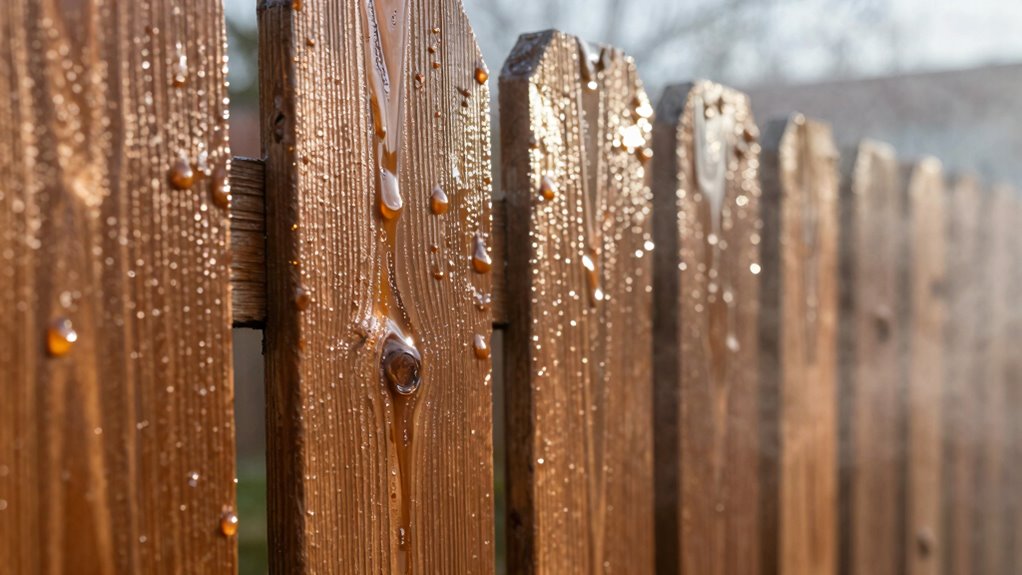
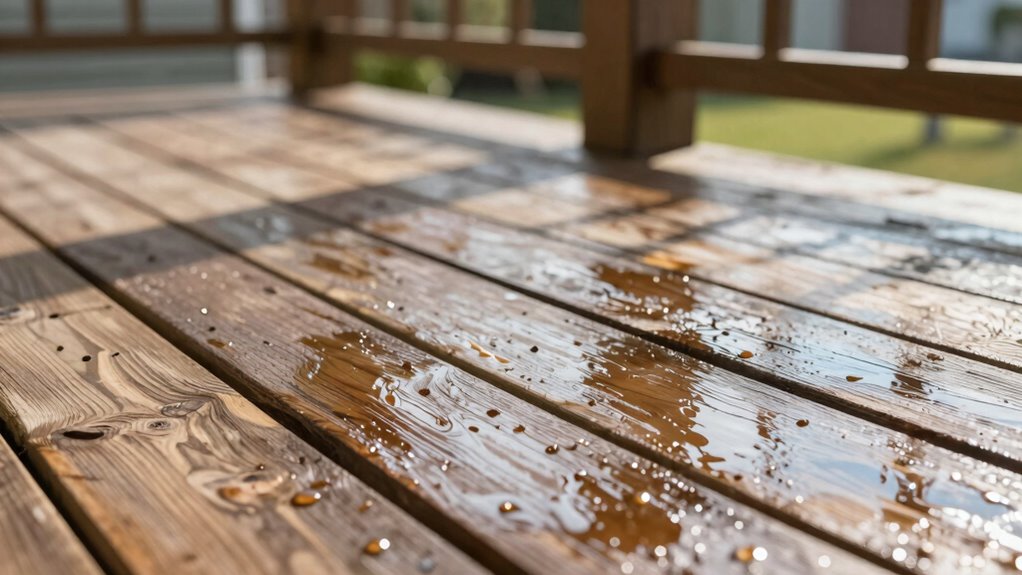
Additionally, understanding the drying time after pressure washing is critical for optimal results, as residual moisture can compromise paint adhesion. Many people overlook the importance of proper surface preparation and underestimate how long it takes for the surface to dry after pressure washing. You might be eager to start painting immediately, but dampness can be a hidden problem. Excess moisture can prevent paint from adhering properly, leading to peeling or uneven finishes down the line. Depending on the climate, surface material, and weather conditions, drying times can vary widely—from a few hours to even a day or more. It’s best to give the surface ample time to dry completely, especially in humid or rainy conditions. Using a moisture meter can help you confirm that the surface is dry enough to paint, avoiding costly mistakes.
In short, pressure washing is an excellent cleaning technique for paint prep, but it requires patience and attention to detail. Removing surface contaminants thoroughly is only half the battle; ensuring the surface is dry before painting is equally important. Skipping this step can compromise your entire paint job, making all your effort go to waste. Take your time, follow proper cleaning techniques, and wait for the surface to dry fully. Doing so will set you up for a flawless, long-lasting paint finish that looks great and withstands the test of time.
Frequently Asked Questions
How Does Humidity Affect Drying Time After Pressure Washing?
Humidity impacts drying time after pressure washing by slowing down the evaporation rate. When humidity levels are high, moisture lingers longer on surfaces, meaning you’ll need more time for the area to dry thoroughly. You should plan for extended drying periods in humid conditions to avoid paint issues later. Keep an eye on the weather and consider waiting for lower humidity to guarantee proper drying and ideal paint adhesion.
Can Using Hot Water Reduce Drying Time for Paint Prep?
Using hot water can indeed cut down your drying time for paint prep. It helps loosen dirt and grime more effectively, making rinsing quicker and more thorough. When you use hot water, the surface dries faster because it evaporates quickly, which speeds up the overall process. It’s a win-win, as long as you don’t go overboard with the heat—otherwise, you risk damaging the surface or paint.
What Tools Help Speed up the Drying Process?
You can speed up the drying process by using blow dryers and fans. Blow dryers help target specific areas, blowing warm air directly onto wet surfaces, while fans circulate air to remove moisture quickly. Both tools are effective for reducing waiting time after pressure washing, ensuring your paint prep is complete faster. Just be sure to use appropriate settings to avoid damaging the surface or causing overspray.
Is There a Safe Way to Accelerate Drying Without Damaging the Surface?
Yes, you can safely speed up drying by using airflow techniques like fans or blowers to increase air circulation around the surface. Avoid chemical accelerants unless approved for your specific surface, as they can cause damage. Always guarantee the surface is clean and dry before applying paint. Proper ventilation and gentle airflow are your best tools to accelerate drying without risking harm to the material.
How Long Should I Wait Before Applying Primer After Pressure Washing?
You should wait at least 24 hours before applying primer after pressure washing, giving the surface enough time to dry thoroughly. Timing considerations are vital for proper primer application, as applying it too soon can trap moisture and cause adhesion issues. To guarantee the best results, check that the surface feels dry to the touch and is free of any residual moisture, then proceed with your primer application.
Conclusion
Don’t disregard drying details; delay damages. Diligently dry surfaces after pressure washing to prevent paint problems and promote perfection. Patience pays off—proper preparation prevents paint pitfalls. By prioritizing patience and perfecting your process, you’ll produce pristine, long-lasting results. Remember, rushing ruins routines; slow, steady steps secure stunning surfaces. So, stay smart, stay strict with drying, and set yourself up for a superior, spotless paint finish that lasts.