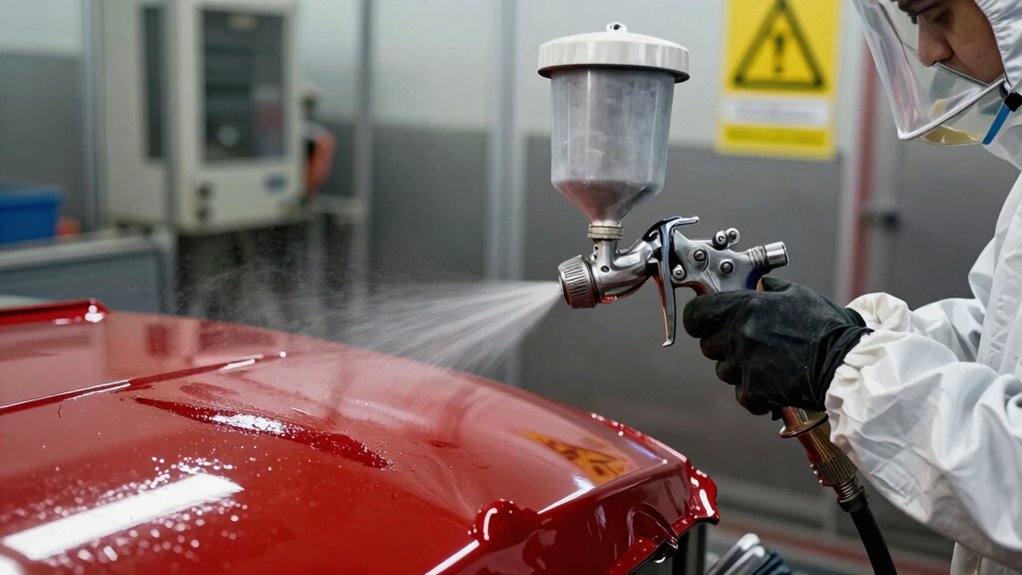

Before spraying catalyzed coatings, it’s vital to understand isocyanates, which are highly reactive chemicals used to create durable, high-quality finishes. They form strong urethane linkages but pose health risks like respiratory issues and skin irritation if mishandled. Always use proper protective gear, guarantee good ventilation, and follow safety protocols to minimize exposure. Staying informed about regulations and best practices helps prevent accidents and guarantees safe application—continue exploring to learn essential safety tips and handling techniques.
Key Takeaways
- Isocyanates are highly reactive chemicals essential for curing catalyzed coatings but require strict safety measures during spraying.
- Proper ventilation, personal protective equipment, and safe handling practices are critical to minimize inhalation and skin contact risks.
- They form durable urethane linkages, enhancing coating adhesion, flexibility, and resistance to environmental stresses.
- Avoid common mistakes like inadequate ventilation, rushing mixing, or neglecting safety protocols to prevent health hazards.
- Stay informed about regulations and industry standards to ensure safe, compliant application of isocyanate-based coatings.
What Are Isocyanates and Why Are They Used in Coatings?
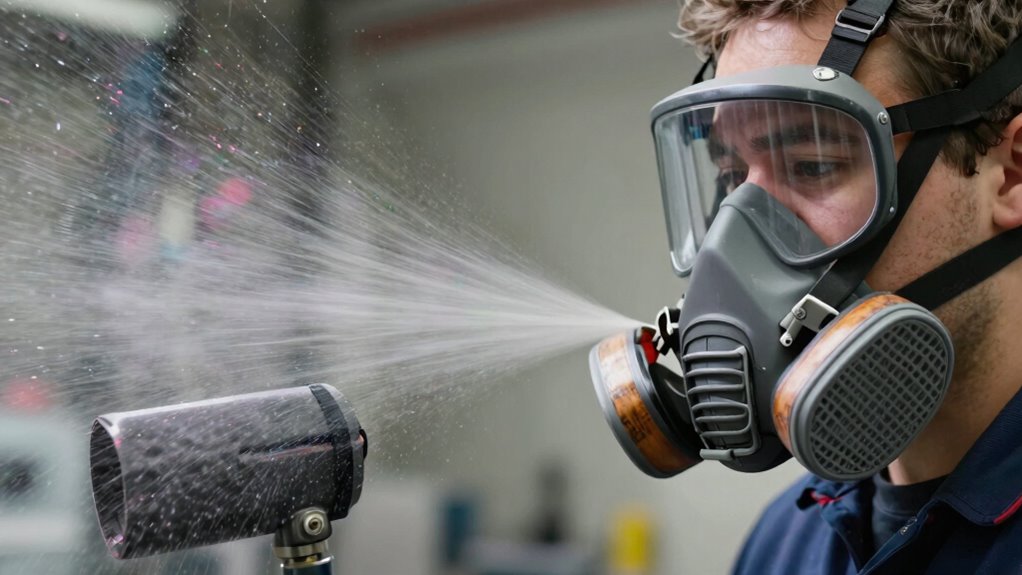
Isocyanates are a group of highly reactive chemical compounds commonly used in industrial coatings due to their excellent durability and fast curing times. You should know that while they create high-quality finishes, they also pose environmental impact concerns, especially if not handled properly. Environmental impact is a key consideration in their use. Regulatory standards govern how these chemicals are used, aiming to minimize health risks and environmental damage. These standards require protective measures during application and proper disposal methods, helping to prevent exposure and pollution. Understanding the environmental impact and regulatory requirements guarantees you use isocyanates safely and responsibly. Additionally, awareness of VOC emissions and their regulation is essential to reducing air pollution associated with these chemicals. Being informed about European regulations can help ensure compliance and promote safer practices in coating applications. Proper training and adherence to safety protocols are critical to minimizing worker exposure and ensuring safe handling practices. Furthermore, understanding hazard communication is vital for maintaining a safe work environment when working with these hazardous chemicals.
How Do Isocyanates Create Durable, High-Quality Finishes?
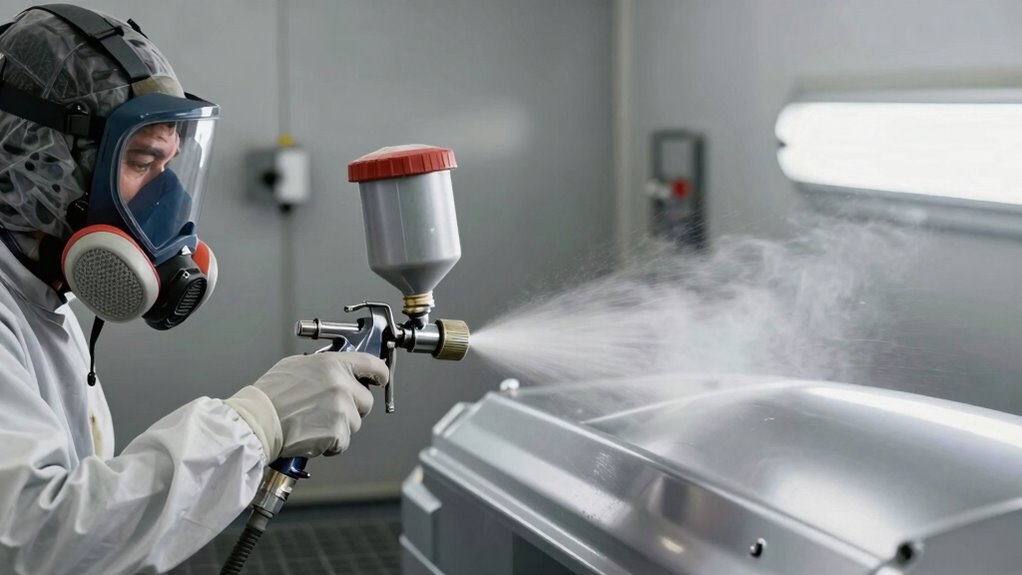
When isocyanates are used in coatings, they react rapidly with polyols to form urethane linkages, leading to polymer crosslinking. This process creates a tightly bonded, three-dimensional network that enhances the coating’s durability and flexibility. These crosslinks improve surface adhesion, ensuring the coating sticks firmly to substrates and resists peeling or cracking over time. The result is a high-quality finish that withstands environmental stresses such as moisture, UV exposure, and temperature fluctuations. By forming these strong chemical bonds, isocyanates help produce a resilient, long-lasting surface that maintains its appearance and protective qualities. Additionally, understanding the navigation and mapping of coating layers helps optimize application techniques for better results. This combination of polymer crosslinking and surface adhesion is what makes catalyzed coatings with isocyanates highly durable and of superior quality. Furthermore, considering VOC emissions and responsible handling practices is essential to ensure safety during application.
Safety Risks of Isocyanates and How to Protect Yourself
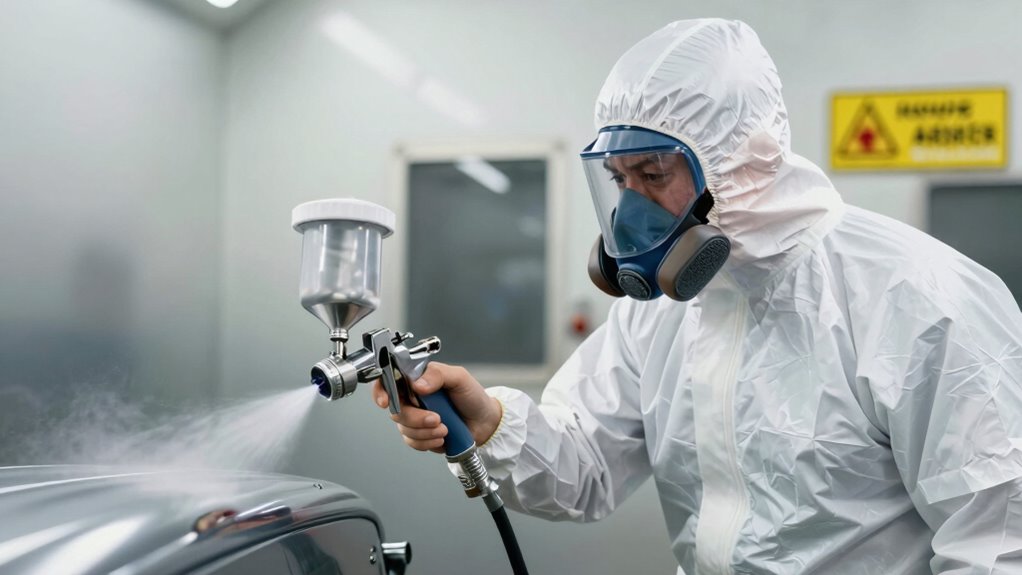
While the benefits of isocyanates in creating durable finishes are impressive, they also pose significant health risks if proper precautions aren’t taken. Exposure can cause respiratory issues, skin irritation, and long-term health problems. To protect yourself, focus on hazard awareness and safety measures. You can also consider safe handling practices to further reduce your risk during application. Implementing air filtration and exhaust systems can greatly decrease airborne contaminants and enhance safety. Proper personal protective equipment such as respirators, gloves, and coveralls is essential to prevent skin and inhalation exposure. Here are three essential steps:
Isocyanates offer durable finishes but require safety precautions to prevent health risks like respiratory issues and skin irritation.
- Always wear appropriate protective gear, such as respirators, gloves, and coveralls, to prevent skin and inhalation exposure.
- Work in well-ventilated areas to minimize airborne isocyanate concentrations.
- Keep informed about the hazards associated with isocyanates by reviewing safety data sheets and following safety protocols.
Best Practices for Handling Isocyanates Safely During Spraying
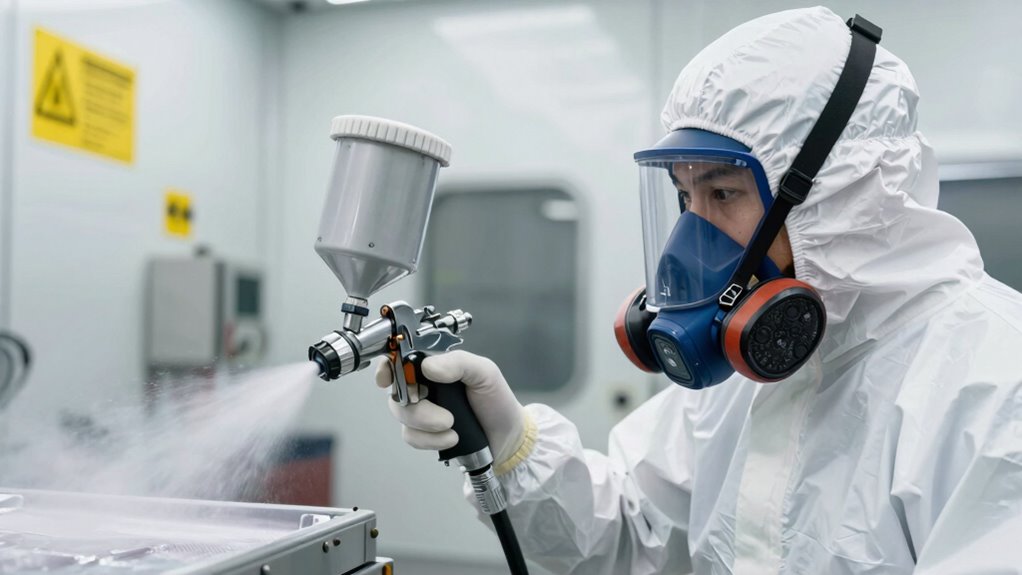
To guarantee your safety during spraying, it’s essential to follow strict handling procedures that minimize exposure to isocyanates. Start by ensuring proper ventilation in your workspace; this helps disperse fumes and reduces inhalation risks. Always wear appropriate protective gear, including a supplied-air respirator, chemical-resistant gloves, and coveralls, to protect your skin and lungs. Before beginning, double-check that your equipment is properly sealed and maintained to prevent leaks. Avoid eating, drinking, or smoking in the area to prevent accidental ingestion. Keep containers closed when not in use, and handle isocyanate products in well-ventilated zones. Regularly inspecting your safety equipment ensures it remains effective and reliable. Implementing an air quality monitoring system can further help detect airborne contaminants and ensure a safe working environment. Additionally, staying informed about isocyanate hazards and regulatory updates can help you adapt your safety protocols accordingly. Following these best practices guarantees you stay safe while effectively applying catalyzed coatings.
Common Mistakes to Avoid When Working With Isocyanate-Based Coatings
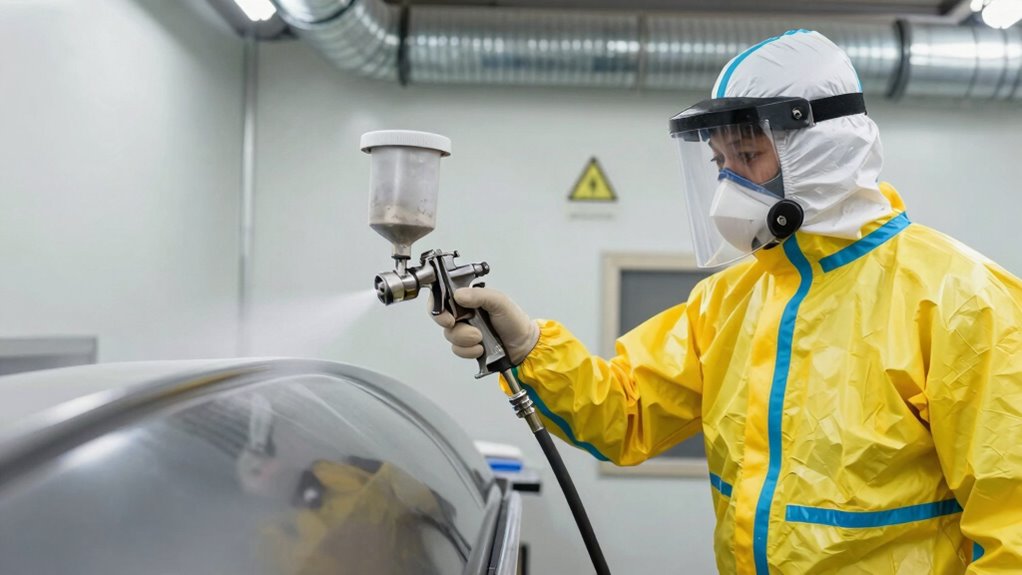
Even with proper safety measures in place, many people make avoidable mistakes that can threaten health or coating quality. To prevent issues, focus on these key areas:
- Skipping proper ventilation can lead to dangerous airborne isocyanates, increasing health risks. Always ensure your workspace has adequate airflow.
- Neglecting to wear complete protective equipment exposes you to harmful vapors and skin contact. Use respirators, gloves, and coveralls consistently.
- Rushing the mixing process or applying coatings without checking compatibility can cause improper curing or defects. Follow manufacturer instructions carefully.
- Failing to understand the proper handling procedures for isocyanate-based coatings can lead to accidental exposure or application errors. Additionally, staying informed about safe handling procedures and industry best practices is essential for maintaining a safe working environment.
- Additionally, neglecting to stay informed about Gold IRA Markets and industry best practices can compromise your investment decisions and safety protocols.
- Staying updated on industry standards and regulations ensures compliance and promotes safer application practices.
Frequently Asked Questions
Are There Alternative Coatings to Isocyanates With Similar Durability?
You can explore eco-friendly alternatives like water-based or plant-based coatings that offer durability comparisons to isocyanates. These coatings are designed to provide strong protection while reducing health risks, making them suitable for many applications. While they may not match every high-performance isocyanate coating, advancements have markedly improved their durability, giving you options that are safer for both the environment and your team without sacrificing quality.
How Long After Spraying Can I Safely Stay in the Treated Area?
You shouldn’t stay in the treated area immediately after spraying; safety wait times vary based on ventilation. Typically, wait at least 24 hours with proper ventilation to guarantee fumes dissipate. Good airflow markedly reduces risks, but always follow manufacturer guidelines and monitor air quality. Don’t rush back—your safety depends on proper ventilation and adherence to recommended safety wait times before re-entering the space.
What Are the Symptoms of Isocyanate Exposure in Workers?
You might notice respiratory symptoms like coughing, wheezing, or shortness of breath after isocyanate exposure. Skin reactions such as redness, itching, or dermatitis can also occur. If you experience these symptoms, it’s essential to seek medical attention promptly. Wearing proper protective gear, including masks and gloves, helps reduce your risk of exposure and prevents these uncomfortable and potentially serious health issues.
Can I Use Isocyanate-Based Coatings Outdoors Safely?
Using isocyanate-based coatings outdoors is like walking a tightrope—you need proper precautions. Yes, you can do it safely if you guarantee good ventilation and wear protective gear. Choose coatings with UV stability and weather resistance to withstand the elements. Always follow manufacturer instructions and local regulations. Proper handling minimizes health risks and maintains the coating’s durability, so you get the best results while keeping safe.
What Are the Environmental Impacts of Using Isocyanates in Coatings?
Using isocyanates in coatings can lead to increased VOC emissions, which contribute to smog formation and air pollution. Although they don’t directly cause ozone depletion, the VOCs can react in the atmosphere, impacting ozone layer health indirectly. You should weigh these environmental impacts carefully, guarantee proper ventilation, and follow safety guidelines to minimize emissions and reduce harm to the environment.
Conclusion
Understanding isocyanates is key to achieving great finishes while keeping safety in mind. By respecting their power and following best practices, you can avoid potential pitfalls and enjoy smooth, durable results. Remember, handling these coatings with care is like tending a delicate garden—you’ll nurture your project’s success without risking unnecessary trouble. Stay informed, stay cautious, and your work will shine, highlighting your skill without any unintended shadows.