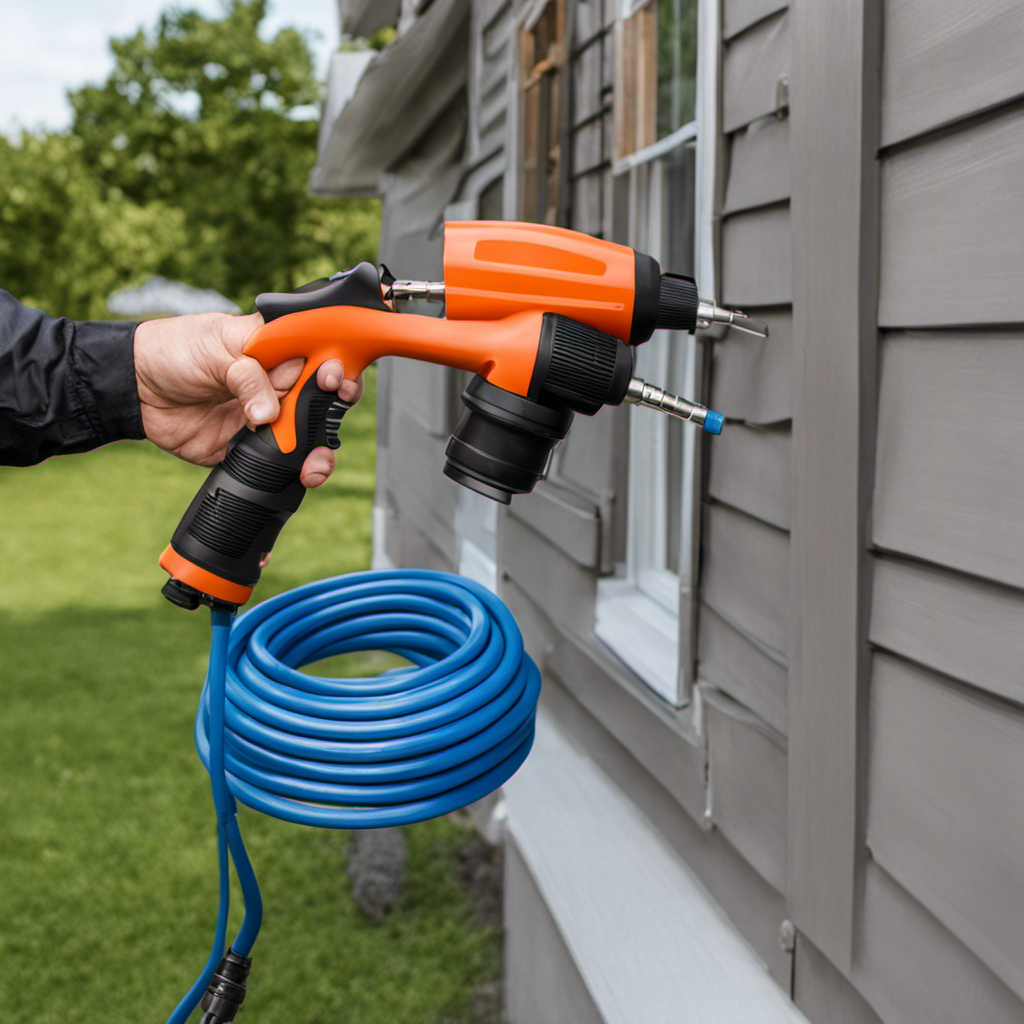
Inlet strainers and suction sets are essential for preventing debris like leaves, sediment, and trash from entering your pump or fluid system. By filtering out these particles, they keep your equipment running smoothly, reduce wear and tear, and prevent costly repairs. Regular maintenance ensures they stay effective, prolonging system life and avoiding downtime. Want to discover simple steps to maintain your filters and keep debris out? Keep exploring for useful tips.

Get business pricing on tools and workshop supplies
- Business-only prices and quantity discounts
- Tax-exempt purchasing
- Multiple users, one account, clear invoices
Key Takeaways
- Select the right inlet strainer based on flow rate, particle size, and fluid type to effectively block debris.
- Regularly inspect and clean strainers to prevent clogging and maintain optimal flow.
- Proper maintenance reduces wear, prevents system damage, and extends equipment lifespan.
- Routine filter upkeep ensures debris does not bypass filters and cause costly system failures.
- Well-maintained inlet strainers and suction sets enhance overall system reliability and reduce operational costs.
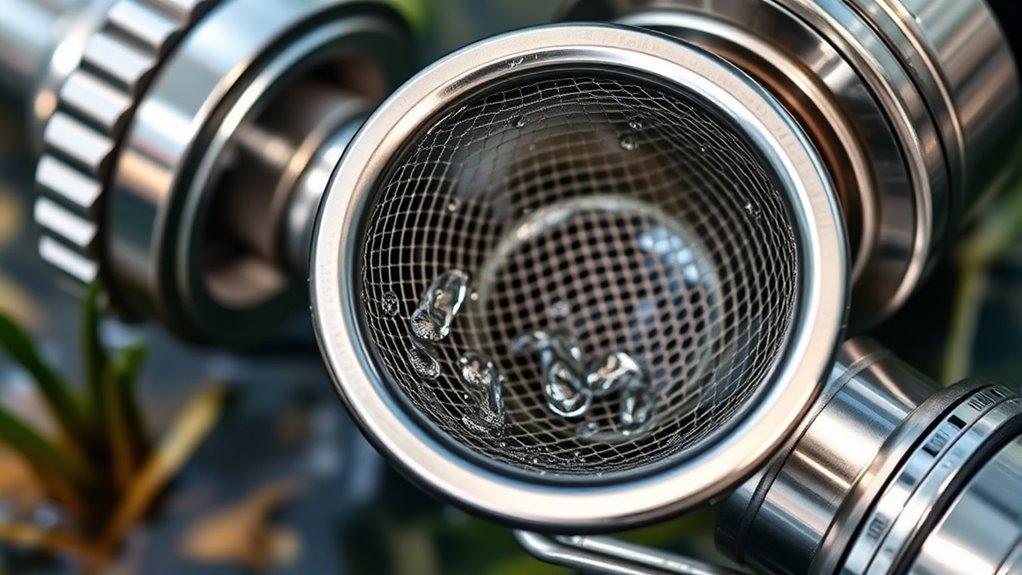
Inlet strainers and suction sets are essential components in guaranteeing the smooth operation of pumps and fluid systems. They act as the first line of defense against debris that can clog or damage your equipment. Proper filter maintenance is vital because neglecting it can lead to reduced efficiency, increased wear and tear, or even complete system failure. When you regularly inspect and clean inlet strainers, you prevent debris buildup that can cause flow restrictions. This proactive approach minimizes downtime and costly repairs, keeping your system running smoothly.
Debris prevention starts with selecting the right inlet strainer for your specific application. You need to take into account factors like flow rate, particle size, and the type of fluid being pumped. A well-chosen strainer will catch larger debris such as leaves, trash, or sediment before they reach sensitive pump components. During filter maintenance, it’s important to remove accumulated debris promptly. Regular cleaning ensures that the strainer’s perforations or mesh remain unobstructed, maintaining ideal flow and filtration efficiency. If debris isn’t cleared regularly, it can cause pressure drops or create a backup that hampers system performance.
Choosing the right inlet strainer and cleaning regularly prevents pressure drops and system backups.
You should establish a routine inspection schedule based on your system’s operating conditions. For systems handling dirty fluids, more frequent cleaning might be necessary. Keep an eye out for signs of clogging, such as decreased flow rates or increased pressure differentials across the strainer. When you notice these issues, it’s time to clean or replace the filter components. Using the correct tools and following manufacturer guidelines makes filter maintenance safer and more effective. Remember, neglecting routine upkeep can lead to debris bypassing the strainer, entering the pump, and causing damage.
Inlet strainers and suction sets aren’t just about filtration—they also help extend the lifespan of your entire system. By preventing debris from reaching critical parts, you reduce the risk of corrosion, erosion, or mechanical failure. Regular filter maintenance isn’t complicated, but it’s essential. It involves simple steps like disconnecting the strainer, removing accumulated debris, inspecting for damage, and reinstalling it properly. Incorporating these practices into your maintenance routine ensures continuous protection against debris and keeps your fluid system operating at peak performance.
Additionally, understanding system components and their proper maintenance can significantly improve overall reliability and efficiency. Ultimately, investing time in proper filter maintenance and debris prevention safeguards your equipment. It minimizes unexpected breakdowns, extends component life, and maintains efficient flow. With a diligent approach, you’ll keep debris out of your system, ensuring reliable operation and reducing unnecessary costs over time.
As an affiliate, we earn on qualifying purchases.
Frequently Asked Questions
How Often Should Inlet Strainers Be Cleaned?
You should clean inlet strainers regularly, ideally according to your maintenance schedule, which often means inspecting and cleaning them weekly or monthly depending on usage. Use proper cleaning methods like removing debris with a brush or water, ensuring no blockages remain. Regular cleaning prevents clogs, maintains ideal flow, and protects your equipment. Always follow manufacturer guidelines for specific cleaning intervals and methods to keep your inlet strainers functioning efficiently.
Can Inlet Strainers Improve Pump Efficiency?
Yes, inlet strainers can improve pump efficiency by optimizing pump design and reducing wear caused by debris. When you use strainers, you prevent clogs and damage, allowing the pump to operate smoothly. This leads to energy savings because the pump doesn’t have to work as hard. Regularly maintaining and cleaning your inlet strainers guarantees consistent performance, maximizing efficiency and extending your pump’s lifespan.
What Materials Are Inlet Strainers Typically Made Of?
You might think all inlet strainers are similar, but their materials vary for specific needs. They’re typically made of stainless steel, bronze, or plastic, chosen for their material durability and corrosion resistance. Stainless steel offers high strength and longevity, while plastic is lightweight and resistant to corrosion in less demanding environments. Selecting the right material guarantees your inlet strainer withstands harsh conditions, maintaining ideal pump performance over time.
Are There Different Types of Suction Sets for Various Applications?
Yes, there are different types of suction sets tailored to various applications. The types overview includes vacuum-assisted, non-vacuum, and specialized sets designed for specific liquids or environments. Application distinctions are vital; for example, you should use a robust, corrosion-resistant set for aggressive chemicals, while a simple, lightweight set suffices for clean water. Choosing the right suction set guarantees maximum performance and durability for your particular needs.
How Do I Troubleshoot Common Inlet Strainer Issues?
If you notice reduced flow or strange noises, check for debris accumulation in your inlet strainer. Clean or replace the strainer if debris is clogging it, since clog prevention is key to maintaining efficiency. Regular inspections help catch issues early, preventing damage or downtime. Make certain the strainer fits properly and isn’t damaged, and clear any blockages promptly to keep your system running smoothly.
Conclusion
Keep your pool pristine and protected by prioritizing proper inlet strainers and suction sets. By preventing particles and debris from piercing your pool’s performance, you preserve its power and prolong its life. Regularly check, clean, and maintain these essential components to guarantee smooth, safe swimming seasons. Stay vigilant, safeguard your sanctuary, and enjoy the serenity of a spotless, sparkling pool—because a little maintenance makes a massive difference. Protect, prevent, and prolong your pool’s perfection!
Evergreen bestsellers Picks
bestsellers
As an affiliate, we earn on qualifying purchases.