TL;DR
Hunker reports that a project from Making Manzanita uses three sections of reclaimed pallet wood to build a removable screen around an outdoor air-conditioning unit. The design is presented as a low-cost way to conceal the equipment; the report stresses leaving the top open, checking pallet condition and avoiding wood marked MB.
Hunker has reported on a Making Manzanita project that uses three sections of old wood pallets to form a freestanding, three-sided screen around an outdoor air-conditioning unit. The idea offers homeowners a way to hide the equipment with reclaimed materials, while keeping the top open for airflow and making the surround removable for service access.

Get business pricing on tools and workshop supplies
- Business-only prices and quantity discounts
- Tax-exempt purchasing
- Multiple users, one account, clear invoices
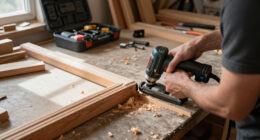
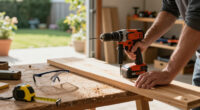
The reported build keeps much of each pallet intact, using its horizontal boards as slats and the vertical pieces as supports. A circular saw is used to cut the panels to size, then a drill and screws join them in a U shape. The report says this configuration can stand without an anchor; it does not provide independent testing of stability or performance.
Hunker says measurements should be based on the specific AC unit, with the screen several inches wider and taller. The article states that outdoor units typically measure 28 to 48 inches per side and recommends at least 12 inches of clearance on every side for service access. Because the screen is not fixed in place, the report says it can be moved during maintenance.
The material guidance focuses on safety and durability. The article advises inspecting discarded pallets for structural damage and avoiding those bearing an MB stamp, which it says indicates methyl bromide treatment. Optional finishes include exterior stain or paint, corner trim, solar lights, planters and decorative gravel or mulch around the installation.
A Lower-Cost Way to Hide AC Equipment
The project addresses a common backyard design issue without requiring a store-bought cover kit. Reusing pallets may reduce material costs, although the report gives no project price and does not establish how much a homeowner would save compared with a manufactured screen.
The design also brings a practical constraint: a screen has to conceal the unit while allowing air to move and technicians to reach it. Hunker’s guidance to leave the top open and preserve clearance makes those needs part of the project rather than optional finishing details. The article does not report measured airflow, cooling effects or long-term durability for the pallet surround.
Products Worth Considering

Levoit Eleva 300X Air Purifier with Fully Sealed HEPA Filtration and Smart Control

DREAME D20 Air Plus Robot Vacuum and Mop with 20,000 Pa Suction

Levoit Core 600S-P Smart Air Purifier for Large Rooms up to 2933 ft²
As an affiliate, we earn on qualifying purchases.
How the Pallet Screen Is Built
The project is attributed to Making Manzanita and was summarized by Hunker. The supplied report describes three cut pallet sections joined at right angles. It presents the surround as freestanding and removable, with the existing slats providing the visible screen.
For people seeking materials, the article lists stores, warehouses, construction sites and online listings such as Facebook Marketplace as possible sources of free pallets. It recommends measuring the equipment before cutting. Any top trim or decorative additions require extra wood, and the report suggests exterior paint or stain for the exposed pallet surfaces.
“The design uses three pallet sections screwed together to create a three-sided screen.”
— Hunker, describing the Making Manzanita project
Performance and Fit Are Unreported
The supplied article does not identify the dimensions of the specific unit used in the original project, provide a measured cost, or report how the screen performs over time. It also offers no airflow or temperature testing, so the effect of any particular build on equipment operation is not established by the report.
Clearance needs may depend on the equipment and service requirements. Hunker gives a general recommendation of at least 12 inches on every side, but readers should check the unit’s documentation or consult a qualified HVAC professional about its required spacing before building around it.
Measure Before Cutting Pallets
The next step for anyone considering the project is to measure their own unit and check its spacing and service requirements. Pallets should be inspected for damage, and wood marked MB should be set aside. The surround should keep its top open and remain easy to move so maintenance access is preserved.
Hunker describes optional painting, staining and decorative additions, but reports no follow-up results from the project. Whether a particular screen fits safely and holds up outdoors will depend on the materials, construction and site conditions.
Key Questions
What does the pallet AC screen consist of?
Hunker describes three cut pallet sections screwed together in a U shape to form a freestanding screen around an outdoor unit.
How much space should be left around the unit?
The report recommends at least 12 inches of clearance on every side for service access. Check the equipment documentation or ask an HVAC professional about the spacing for a specific unit.
Which pallets should be avoided?
The article says to avoid pallets marked MB, which it identifies as indicating methyl bromide treatment. It also advises checking pallets for structural damage before use.
Does the screen have a top?
The design is described as open at the top to allow airflow. Hunker also presents it as removable for maintenance access.
Source: rss