Your finish may look lighter than expected because factors like surface texture, application technique, and finish sheen influence how light interacts with the paint, not just the color itself. Uneven coats, dry conditions, or textured surfaces scatter light differently, making the color appear faded or dull. Lighting and viewing angles also play a role in perception. Understanding these elements helps you achieve a more accurate, consistent finish—more details on fixing this are just a step away.
Key Takeaways
- Higher gloss finishes reflect more light, making the color appear lighter or shinier from certain angles.
- Textured or porous surfaces scatter light, reducing color saturation and giving a lighter appearance.
- Uneven application or thin coats can cause the paint to look lighter or patchy.
- Lighting conditions and viewing angles significantly influence perceived color intensity.
- Dried paint’s sheen and surface preparation can alter how the color is perceived after spraying.
Why Does My Spray Finish Look Lighter Than I Expected?

If your spray finish appears lighter than you expected, several factors could be at play. One key factor is the paint sheen, which affects how light reflects off the surface, making the color seem different. A matte or eggshell finish diffuse light more, often resulting in a softer, lighter appearance. Additionally, surface texture plays a role; rough or porous surfaces tend to absorb more paint and scatter light, leading to a lighter look. If you spray onto uneven or textured surfaces, the paint may not lay evenly, affecting the final color intensity. Understanding paint sheen can help you select the right finish for your project. Being aware of surface preparation techniques can also significantly influence the outcome by ensuring the paint adheres properly and looks true to color. Proper spray technique can further help in achieving a more consistent and true-to-color finish, especially on challenging surfaces. Adjusting your spray technique or surface preparation can help achieve a more accurate color match, as paint application methods directly impact how the final color appears. Additionally, considering lighting conditions during and after application can also influence how the finish appears to the eye.
What Causes Spray Paint to Appear Lighter Than the Actual Color?
Why does spray paint often look lighter than the actual color? It mainly comes down to how your eyes perceive color and the finish sheen. When you spray paint, the way light reflects off the surface influences your color perception. A matte or flat finish tends to diffuse light, making colors appear duller and lighter. Conversely, a glossy finish reflects more light, which can enhance depth and richness. If your spray paint has a low sheen, it may look lighter even if the color is the same. Additionally, the thickness of the coat affects how the color appears; thinner coats can cause the color to look less vibrant. So, both the finish sheen and the way light interacts with it play vital roles in how you perceive the actual color. Also, understanding the finish sheen can help you better predict the final look of your project. Recognizing how light reflection impacts color perception is essential for achieving the desired outcome. Furthermore, the paint formulation can influence how the color appears once applied, especially in different lighting conditions. Factors like light temperature and ambient lighting can also make a significant difference in how the color is perceived. Additionally, application technique can affect the uniformity and vibrancy of the finished coat, impacting overall color perception.
How Application Techniques Influence Your Spray Finish’s Color?
Your spray application technique can considerably affect the final color appearance of your finish. If you create uneven brush strokes or apply too much paint in one area, it can increase paint thickness, causing the color to appear darker or more saturated. Conversely, spraying too lightly or quickly can result in a thinner coat, making the finish look lighter or duller. Maintaining consistent spray speed and distance helps guarantee an even coat, reducing brush strokes and unwanted variations. Proper technique minimizes paint buildup and helps your finish reflect the true color. Remember, the goal is to control paint thickness and application pressure, so your spray results stay true to the intended hue. Achieving an even application is essential for a consistent, true-color finish, and practicing your spray technique can help you master this. Good technique is key to achieving a consistent, true-color finish.
How Drying Time and Surface Conditions Change the Look of Your Paint?

Drying time and surface conditions play a crucial role in how your paint ultimately looks once it’s finished. If paint dries too quickly or unevenly, it can look lighter or blotchy. Lighting conditions also influence your perception, making colors seem different once dry. Surface texture is equally important; rough or porous surfaces absorb more paint, creating a matte appearance, while smooth surfaces reflect light better, making the finish look brighter. Consider this table:
| Surface Texture | Drying Time Effect | Lighting Impact |
|---|---|---|
| Smooth | Faster drying | Enhances gloss and brightness |
| Rough | Slower drying | May dull the appearance |
| Porous | Absorbs more paint | Can cause uneven color |
Understanding these factors helps you anticipate the final look and adjust your technique accordingly. Additionally, being aware of surface preparation can significantly influence how the paint behaves during drying and its final appearance.
How Light and Viewing Angles Affect the Appearance of Your Spray Finish?

The way light hits your spray finish can make it appear lighter or darker depending on the reflection. Your viewing angle also changes how the surface looks, highlighting or hiding certain details. Additionally, the gloss level influences how much light reflects, affecting the overall appearance from different perspectives. Understanding light reflection can help you predict and control how your finish appears under various lighting conditions.
Light Reflection Effects
Light reflection plays a crucial role in how your spray finish appears, especially as viewing angles change. When light hits your surface, it creates gloss effects that can make the finish look brighter or darker depending on the angle. These lighting illusions influence the perceived depth and richness of your coat. Factors like surface smoothness and spray technique can amplify or diminish these effects. To maximize the desired look:
- Use controlled lighting to highlight gloss effects
- Maintain consistent spray thickness to avoid uneven reflections
- Adjust viewing angles for ideal lighting illusions
Understanding how light interacts with your finish helps you achieve a more even appearance and prevents surprises when viewing from different perspectives. Recognizing these light reflection effects ensures your spray work looks professional and consistent.
Viewing Angle Impact
When you view your spray finish from different angles, the appearance can change dramatically due to how light interacts with the surface. Lighting conditions play a key role; direct light can make the finish look lighter or shinier, while shadows can dull its appearance. Your surface texture also influences how light reflects, creating variations in color and sheen depending on your viewing angle. A smooth, even finish reflects light uniformly, maintaining consistent color, whereas textured surfaces scatter light in multiple directions, causing shifts in appearance. These effects are especially noticeable when you change your perspective or move around the object. Understanding how lighting and surface texture impact viewing angles helps you achieve a more predictable and even finish. Additionally, high-quality projectors can help assess color and finish consistency from different viewpoints for better results.
Surface Gloss Influence
Surface gloss plays a crucial role in how your spray finish appears from different angles, especially as light interacts with the surface. Higher gloss levels tend to reflect more light, making your finish look lighter or shinier when viewed from certain positions. Conversely, matte or low-gloss surfaces diffuse light, reducing glare and giving a more subdued appearance. Your surface texture also influences how light reflects, impacting paint adhesion and overall look. To optimize your finish:
- Confirm consistent surface gloss to avoid unwanted light reflections
- Use proper surface preparation to enhance paint adhesion and gloss uniformity
- Consider the viewing angle during application to minimize glare and color shifts
- Understanding surface gloss influence is essential for achieving the desired appearance in your project. Recognizing how visual perception varies with gloss levels can help you choose the right finish for your specific needs.
How Paint and Primer Types Impact Final Color and Finish?
The type of paint and primer you choose can considerably influence the final color and finish of your project. Primer effects vary based on formulation, affecting how paint adheres and appears. For example, oil-based primers tend to block stains and create a smooth base, while water-based primers dry faster and are more versatile. Paint formulations also matter; matte finishes can appear lighter and hide imperfections, whereas gloss finishes reflect more light, making colors seem richer. Consider this table:
| Primer Type | Paint Finish | Effect on Final Look |
|---|---|---|
| Oil-based | Matte | Lightens colors, smooth surface |
| Water-based | Satin/Gloss | Enhances depth, brighter appearance |
| Bonding primer | Flat | Minimizes color variation |
| Stain-blocking | Eggshell | Slightly darkens or dulls colors |
| Primer with tint | Any | Intensifies or alters final hue |
Choosing the right combination impacts your project’s color accuracy and finish.
Why Multiple Coats Can Make Your Spray Finish Look Darker or Lighter?
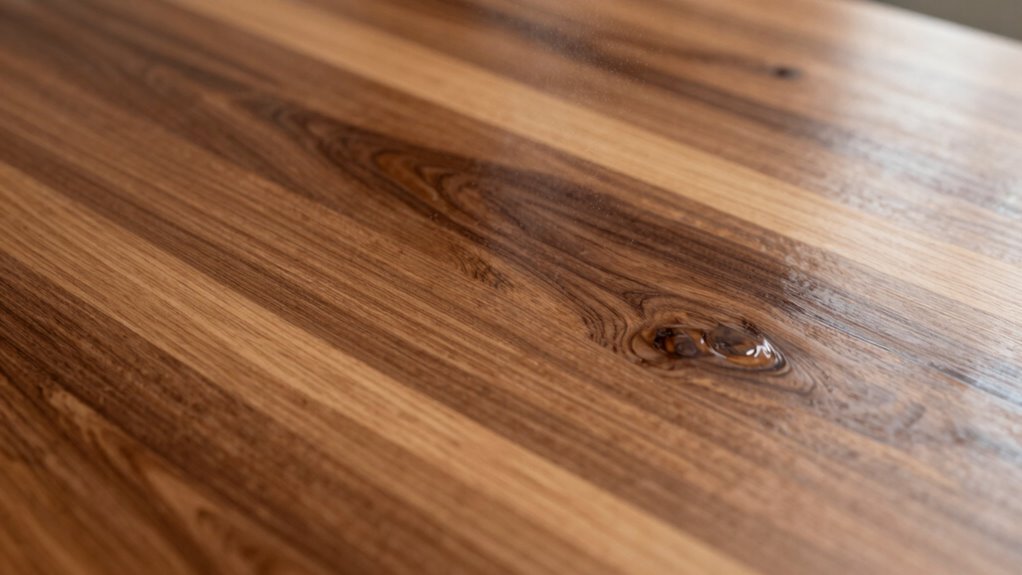
Applying multiple coats of spray paint can change the appearance of your finish, making it look either darker or lighter than expected. This happens because each layer affects how light interacts with the surface, impacting color matching and perceived brightness. Thick coats may cause uneven coverage, leading to darker spots, while thin coats can result in a lighter look. To maintain consistent color and enhance paint durability, apply coats evenly, allowing proper drying time. Keep in mind:
- Overlapping coats can deepen the color, making it appear darker.
- Insufficient coats might make the finish look lighter or uneven.
- Multiple thin coats improve color matching and durability, reducing the risk of color shifts.
- Understanding how coat thickness influences the final appearance helps you achieve a uniform, true-to-color finish.
- Proper paint application techniques are essential to prevent uneven coverage and achieve a flawless result, much like piercing aftercare is essential to prevent infection and ensure a smooth healing process, which parallels the importance of even application in achieving a flawless paint finish.
- Using consistent spray distance and motion can help ensure even coats and a more predictable outcome.
Common Mistakes That Make Your Spray Paint Look Lighter: And How to Fix Them?
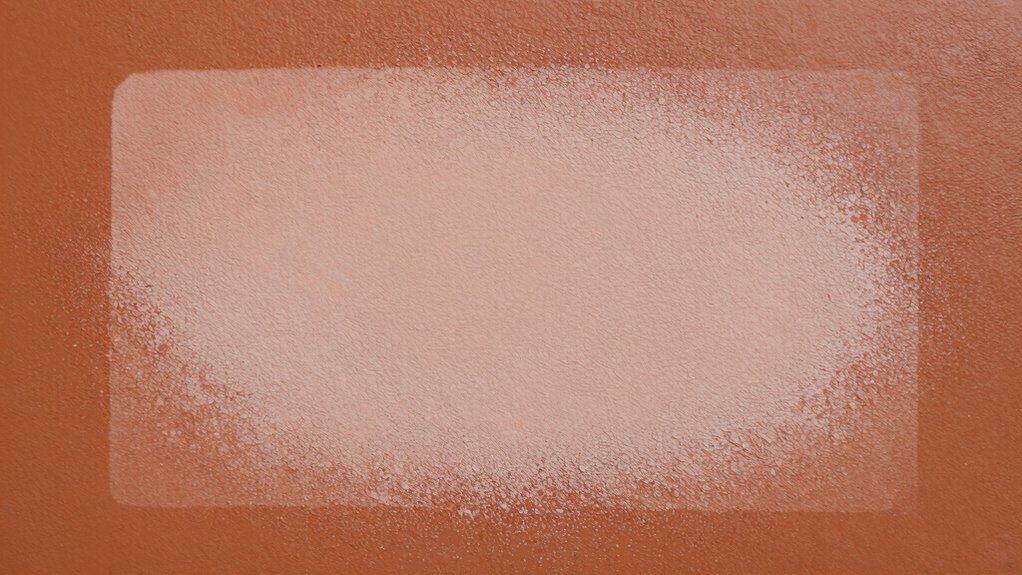
One common mistake that causes spray paint to look lighter is applying coats too thin or unevenly. This results in less pigment coverage and a washed-out appearance. To fix this, focus on proper spray techniques, maintaining consistent distance and speed. Also, ensure you’re using the right color matching strategies before spraying to avoid mismatched shades that appear lighter.
| Mistake | Solution | Result |
|---|---|---|
| Thin, uneven coats | Apply multiple medium coats, not one heavy | Even coverage with accurate color match |
| Poor spray technique | Practice steady, consistent motion | Better pigment distribution |
| Incorrect color matching | Test sprays on scrap before final application | Accurate color appearance |
| Inconsistent pressure | Use uniform spray pressure | Smooth, even finish |
Tips for Achieving Consistent, Accurate Color in Your Spray Projects?

To get consistent, accurate color, start with proper mixing techniques to guarantee your paint is uniform. Maintain steady application methods so your finish doesn’t vary between coats. Paying attention to both these points helps you achieve a professional, true-to-color spray project. Additionally, understanding the paint application process can help you better control how the finish appears once dried. Being aware of lighting conditions during application can also influence how you perceive the final color.
Proper Color Mixing Techniques
Achieving consistent and accurate color in your spray projects starts with proper mixing techniques. To guarantee your colors match and stay true, focus on thorough color calibration and consider lighting conditions during mixing. Properly calibrated color formulas prevent discrepancies between batches. When mixing, keep these tips in mind:
- Always measure paints precisely using a scale or graduated containers.
- Mix under consistent lighting conditions to accurately judge color.
- Stir thoroughly to achieve a uniform color without streaks or separation.
Consistent Application Methods
Consistent application techniques are essential for guaranteeing your spray projects achieve the intended color accuracy. Maintaining proper paint consistency and controlling spray pressure help prevent uneven finishes and color discrepancies. To stay on track, use a consistent distance from the surface, steady speed, and uniform spray pressure. This ensures even coverage and minimizes variations. Remember, inconsistencies in spray pressure or paint thickness can cause lighter or darker spots, even with the same color. Keep your equipment calibrated and your technique steady. Proper technique also involves understanding paint application methods, which can greatly influence the final appearance of your project.
Frequently Asked Questions
Can Lighting Conditions During Application Affect the Final Color Appearance?
Lighting conditions during application can definitely affect how your finish appears. Poor or uneven lighting can skew your perception of color, making it look different from the actual shade. To verify accurate color, you should consider color calibration, which adjusts your perception to true color, and use consistent lighting when evaluating the paint formulation. This way, you’ll get a true idea of the final finish and avoid surprises.
Does the Type of Spray Equipment Influence Color Consistency?
Yes, the type of spray equipment can influence color consistency. If your equipment isn’t properly calibrated, you might get uneven coverage or color variations. Additionally, your spray technique plays a big role; inconsistent distances or speeds can cause differences in color appearance. To achieve a uniform finish, make sure your equipment is well-calibrated and practice a steady spray technique, which helps maintain consistent color throughout the project.
How Does Ambient Temperature Impact Paint Drying and Color Perception?
Imagine your project as a delicate dance, where ambient temperature guides each step. Warmer air accelerates paint drying, revealing true colors, while cooler temperatures slow this process, causing wet paint to appear lighter. Humidity and paint formulation also influence drying time and color perception. You can control these factors by maintaining consistent conditions, ensuring your finish’s color stays true and vibrant, reflecting your craftsmanship’s real beauty.
Do Different Spray Paint Brands Produce Varying Color Results?
Yes, different spray paint brands can produce varying color results because of differences in brand consistency and paint formulation. You might notice that colors from one brand appear brighter or duller than others, even if the color code matches. This happens because each brand uses unique pigments and formulation techniques, affecting the final look. To achieve consistent results, stick to the same brand and batch for your project.
Can Surface Texture Alter the Perceived Color of the Finish?
Imagine your finish as a landscape, where surface texture acts like hills and valleys that shape color perception. Texture illusion tricks your eyes into seeing different shades, making the finish appear lighter or darker. Rough textures scatter light differently than smooth ones, altering how you perceive the color. So, yes, surface texture can markedly influence your finish’s appearance, turning a subtle hue into a vivid landscape of visual illusions.
Conclusion
Now that you know the nuances of spray finish nuances, you can confidently craft a consistent, mesmerizing coat. By mastering application methods, monitoring drying moments, and managing lighting, you’ll mitigate mismatched hues and magical mistakes. Remember, patience prevents paint’s perplexing puzzles. With careful consideration and consistent care, your spray projects will shine with a stunning, true-to-tone finish. Stay steady, scrutinize surfaces, and let your skills sparkle, turning simple spray into spectacular showcases.