Yes, you can use a sprayer for applying fireproofing and intumescent coatings. Sprayers handle thick, viscous materials well, providing a uniform, professional finish on complex surfaces and large areas. They allow you to control application thickness, reach difficult spots, and speed up the process compared to manual methods. Just make sure you select the right equipment and master your technique for the best results—there’s more to discover if you keep exploring.
Key Takeaways
- Yes, specialized sprayers are designed to apply fireproofing and intumescent coatings effectively.
- Fireproofing sprayers handle thick, viscous materials for uniform coverage on various surfaces.
- Proper technique and adjustable pressure settings ensure even application and optimal fire resistance.
- Using the right equipment improves efficiency, reduces waste, and reaches difficult or intricate areas.
- Training on spray methods maximizes coating quality and compliance with safety standards.
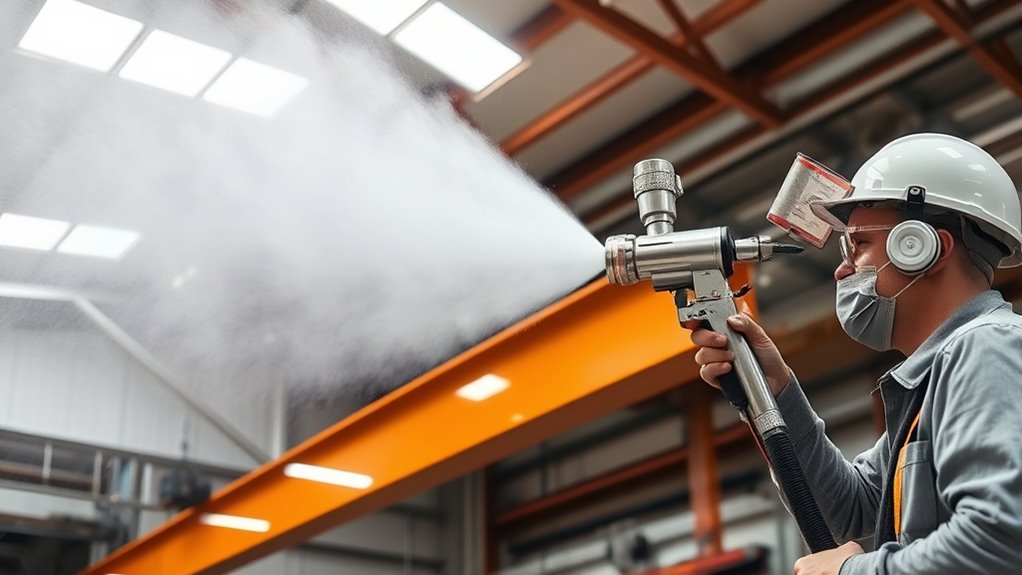
When it comes to protecting structures from fire, using the right sprayer for fireproofing is essential. Fireproofing coatings are critical in delaying the spread of flames and maintaining structural integrity during a fire. To apply these coatings effectively, spray application techniques are often the preferred method because they ensure uniform coverage, especially on complex surfaces or large areas. Proper equipment and technique are key to achieving maximum fire resistance, making the choice of sprayer a fundamental decision in your fireproofing process.
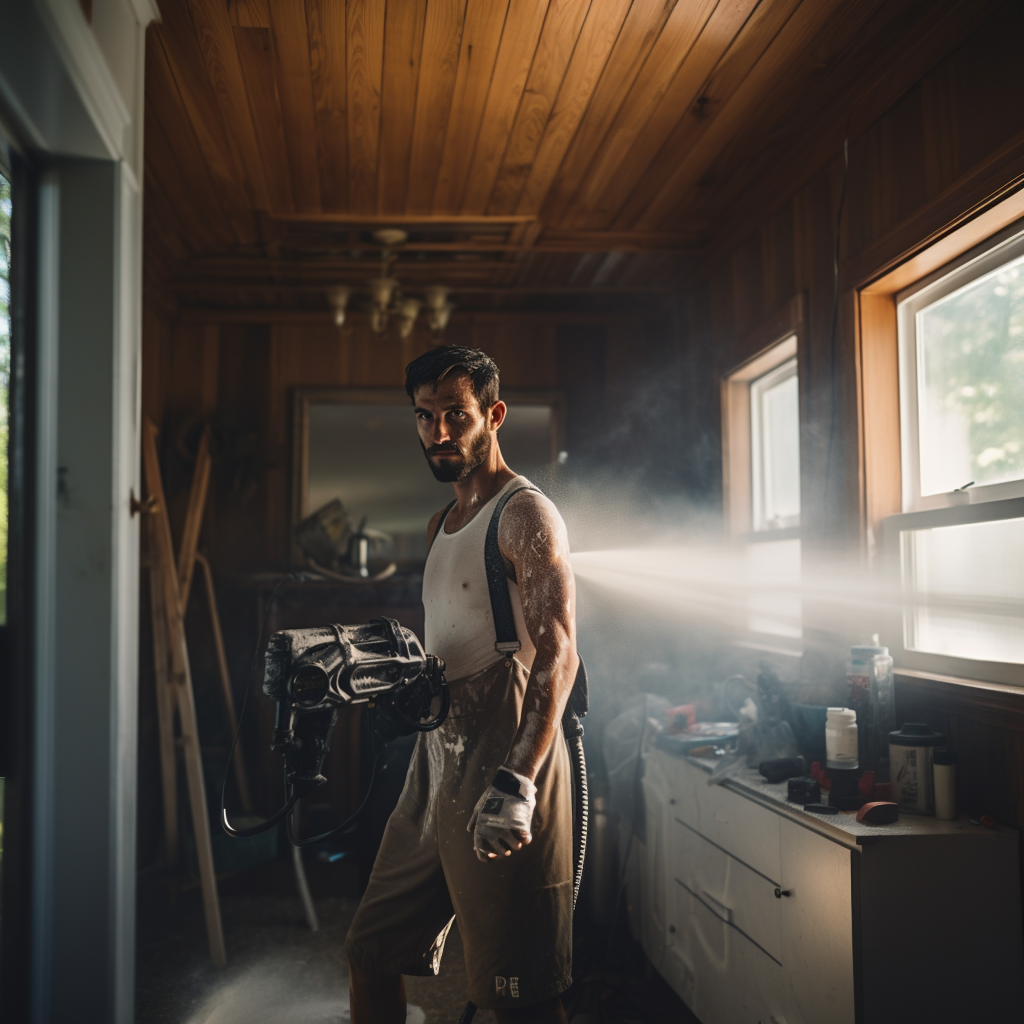
Choosing the right fireproofing sprayer ensures effective, uniform coating application for maximum fire resistance.
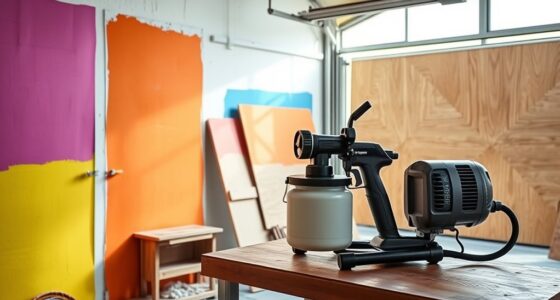
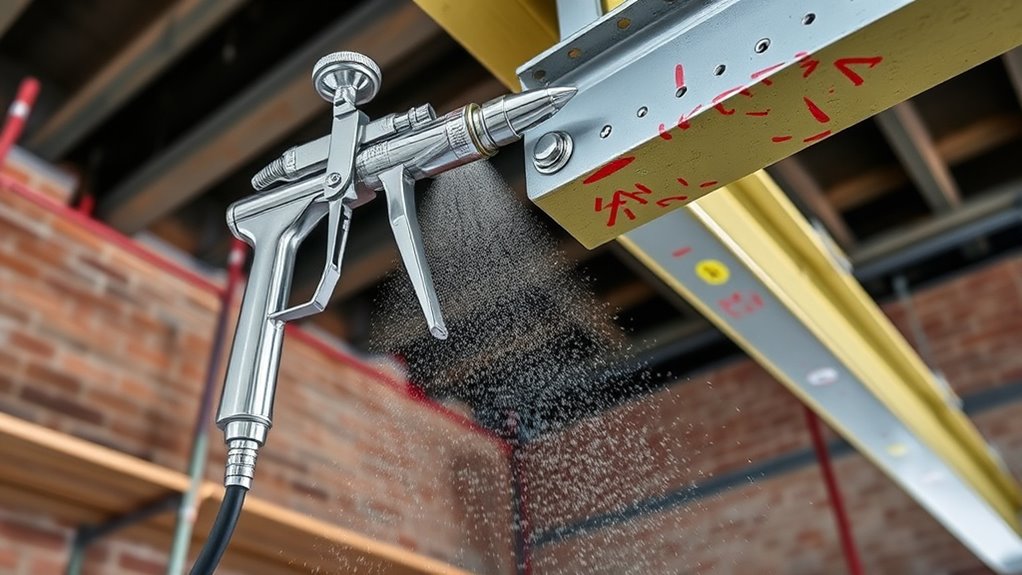
A high-quality sprayer designed for fireproofing coatings can dramatically improve application efficiency. These sprayers are built to handle thick, viscous materials like fireproofing sprays, ensuring you get a consistent layer without drips or uneven coverage. When selecting a sprayer, you should consider whether it’s suitable for the specific type of fireproofing material you plan to use. For intumescent coatings, which expand when exposed to heat, a sprayer with adjustable pressure settings can help you control the spray pattern and thickness, ensuring ideal performance. Fireproofing coatings require precise application to form an effective barrier, so choosing equipment that offers control and precision is essential.
Spray application techniques play a significant role in the effectiveness of fireproofing. Proper technique involves maintaining a consistent distance from the surface, overlapping passes, and adjusting spray pressure as needed. These practices ensure that the coatings are applied evenly, avoiding thin spots that could compromise fire resistance. When you use a sprayer correctly, you minimize waste and reduce the risk of overspray or uneven coverage, which are common issues with improper spraying techniques. Additionally, employing the right technique helps you control the amount of coating applied, ensuring you meet the manufacturer’s specifications for thickness and coverage.
Furthermore, the versatility of spray application makes it suitable for various surface types, including beams, columns, and intricate architectural features. It allows you to reach difficult areas efficiently, saving time compared to manual brushing or rolling. As long as you choose a sprayer compatible with fireproofing coatings and master the proper spray application techniques, you’ll achieve a professional, durable finish that enhances the fire resistance of your structures. Remember, consistent training on spray methods and understanding your equipment’s capabilities will maximize the effectiveness of your fireproofing efforts. This approach ensures your structures are better protected against fire, providing peace of mind and compliance with safety standards.
Frequently Asked Questions
What Types of Sprayers Are Suitable for Fireproofing Materials?
You should use airless or pneumatic sprayers for fireproofing materials, as they offer high-pressure application and good fireproofing compatibility. Confirm the sprayer’s material is compatible with the fireproofing or intumescent coatings, typically stainless steel or other corrosion-resistant materials. Avoid using sprayers made from incompatible materials that could react or clog. Properly cleaning and maintaining your sprayer enhances application quality, ensuring effective fire resistance.
Can Existing Sprayers Handle Intumescent Coatings Effectively?
Yes, your existing sprayer can handle intumescent coatings effectively if it’s compatible with fireproofing safety standards. You need to make certain the sprayer’s material and pressure ratings match the coating’s requirements. Proper maintenance and cleaning are essential to prevent clogging. Always check the sprayer’s compatibility with the specific fireproofing material to guarantee even application and safety. This way, you maintain ideal performance and safety during fireproofing projects.
How Does Sprayer Pressure Affect Fireproofing Application Quality?
You bet pressure matters—think of it as Goldilocks and the Three Bears, but with sprayers. If your pressure’s too high, you’ll overshoot the coating thickness, creating drips, runs, and a messy job. Too low, and you’ll undercoat, risking weak fireproofing. Proper sprayer calibration guarantees consistent coverage, so you hit that perfect balance. Keep the pressure just right, and your fireproofing will stick like glue, not spaghetti.
Are Special Nozzle Tips Required for Fireproofing Sprays?
Yes, you need special nozzle tips for fireproofing sprays to guarantee proper spray pattern and coverage. These nozzles enhance spray nozzle compatibility, allowing you to apply fireproofing techniques effectively. Using the right nozzle helps achieve a smooth, even coat, reducing waste and improving fire-resistant protection. Always check the manufacturer’s recommendations for nozzle types, as incompatible nozzles can lead to uneven application and compromised fireproofing quality.
What Maintenance Is Needed for Sprayers Used in Fireproofing?
Think of your sprayer as a finely tuned instrument, needing regular tune-ups. You should perform equipment calibration to guarantee even coverage and prevent waste. Safety inspections are vital to spot leaks, blockages, or wear before they cause issues. Clean all parts thoroughly after each use, and replace worn seals or nozzles promptly. Proper maintenance keeps your sprayer reliable, safe, and ready to tackle fireproofing tasks efficiently.
Conclusion
Yes, you can use a sprayer for fireproofing or intumescent coatings. Think of the sprayer as a paintbrush for your structure’s safety—delivering a thin, even layer that acts like a protective shield. Just make certain you choose the right sprayer type and follow the manufacturer’s instructions. With proper application, your fireproofing efforts will flow smoothly, creating a barrier that’s as reliable as an unbreakable fortress guarding your space.
Franz came aboard the Paint Sprayer Zone team with a background in both journalism and home renovation. His articulate writing style, combined with a passion for DIY projects, makes him an invaluable asset. Franz has a knack for breaking down technical jargon into easy-to-understand content, ensuring that even the most novice of readers can grasp the complexities of paint sprayers.