
To start with your airless paint sprayer, familiarize yourself with its parts like the gun, nozzle, and hoses. Always wear safety gear and set up a well-ventilated workspace to protect yourself from fumes and overspray. Maintain proper pressure and clean all parts thoroughly after each use to prevent clogs. Regular checks for leaks and damage keep your sprayer working efficiently. Keep exploring for tips that will help you master these steps and achieve professional results.

Get business pricing on tools and workshop supplies
- Business-only prices and quantity discounts
- Tax-exempt purchasing
- Multiple users, one account, clear invoices
Key Takeaways
- Familiarize yourself with the sprayer’s components and proper setup for efficient operation.
- Always wear appropriate safety gear and work in a well-ventilated area.
- Maintain the sprayer by cleaning components thoroughly after each use to prevent clogs.
- Adjust pressure settings correctly to ensure even coverage and prevent overspray.
- Follow manufacturer guidelines for safe use, handling high-pressure systems carefully.

Are you considering an easier way to tackle large painting projects? Using an airless paint sprayer can considerably speed up your work and deliver a smooth, professional finish. But before diving in, it’s essential to understand the basics of paint sprayer maintenance and safety precautions. Proper maintenance ensures your equipment works efficiently and lasts longer, while safety precautions protect you from potential hazards during operation.
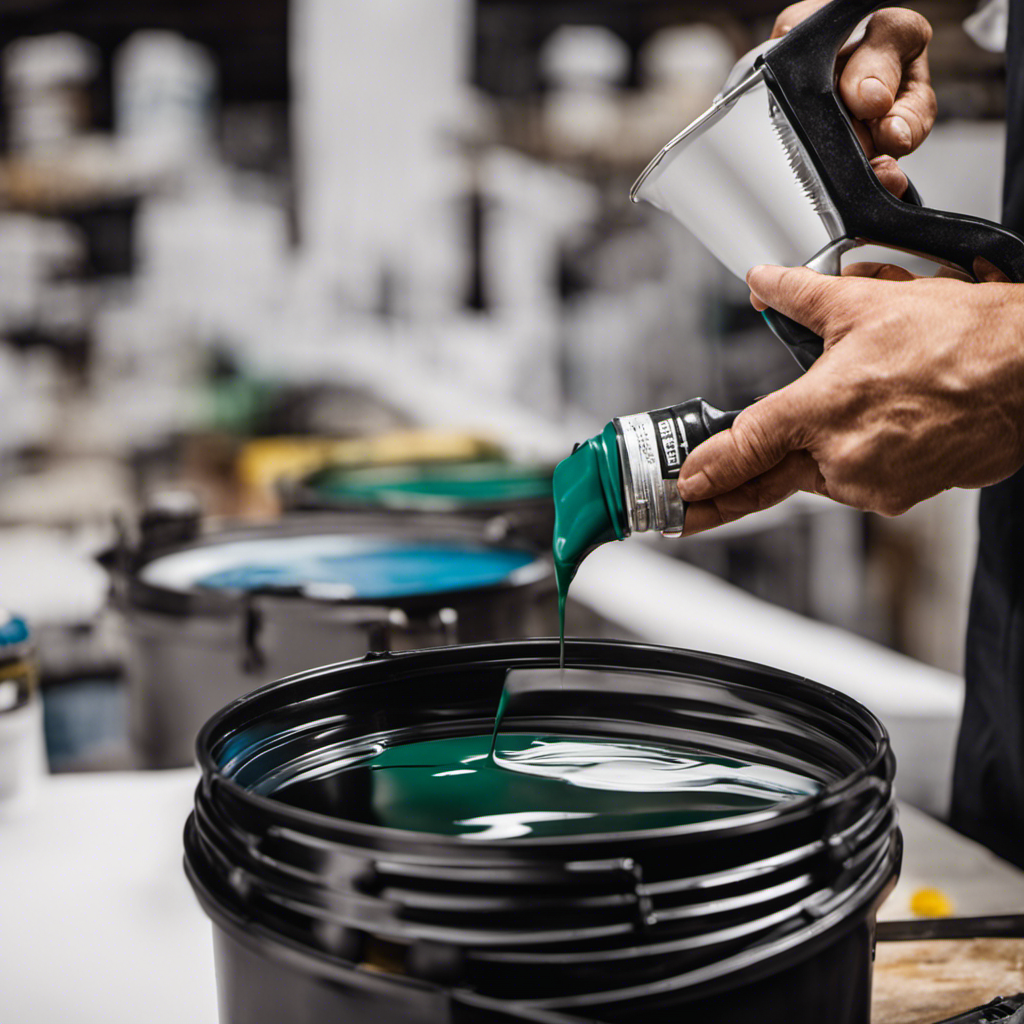
Start by familiarizing yourself with the sprayer’s components. Regular paint sprayer maintenance is crucial; it keeps the machine in top shape and prevents costly repairs down the line. After each use, clean the spray gun, nozzle, and filters thoroughly to remove any leftover paint. Use the recommended cleaning solutions—usually water for water-based paints and solvent for oil-based paints—to prevent clogs and buildup. Check hoses and fittings for leaks or damage, replacing parts as needed. Maintaining proper pressure settings is also vital; too high can cause overspray, while too low might result in uneven coverage. Always follow the manufacturer’s guidelines for maintenance routines, and keep a spare nozzle or filter handy in case of clogs. Additionally, understanding the paint formulation can help you select the right cleaning methods and prevent damage to your sprayer.
Equally important are safety precautions. Before starting, wear protective gear including goggles, gloves, and a respirator if working with fumes or aerosols. Ventilate your workspace well—open windows or use fans—to disperse any harmful vapors. Never point the sprayer at yourself or others, and keep bystanders at a safe distance. Make sure your workspace is free of clutter, and set up drop cloths to catch overspray. Be cautious with the pressure settings; high pressure can cause paint to spray unexpectedly or create a mess. Always turn off and unplug the sprayer when cleaning or adjusting parts, and never leave it unattended while it’s pressurized. Familiarize yourself with emergency procedures, like how to shut off the machine quickly if needed, and keep a fire extinguisher nearby if you’re using flammable paints or solvents.
Getting comfortable with your airless sprayer involves more than just pressing the trigger. Regular paint sprayer maintenance and adherence to safety precautions are the backbone of successful painting projects. By staying diligent about cleaning and inspecting your equipment, you guarantee smooth operation and extend its lifespan. Respect the power of high-pressure spray systems by following safety steps—this keeps your project safe and your results flawless. With these fundamentals in mind, you’ll be well on your way to mastering your airless paint sprayer and transforming your space efficiently and safely.
airless paint sprayer replacement nozzle
As an affiliate, we earn on qualifying purchases.
As an affiliate, we earn on qualifying purchases.
Frequently Asked Questions
Can I Use an Airless Paint Sprayer for Outdoor Furniture?
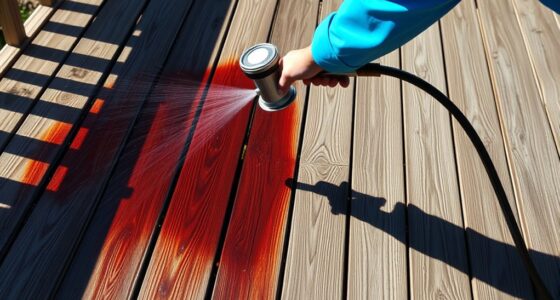
Yes, you can use an airless paint sprayer for outdoor furniture. Just make certain the paint you choose is compatible with the sprayer and suitable for outdoor use. Using an airless sprayer makes the process quicker and provides a smooth, even finish. Before starting, thin the paint if necessary, and test on a small area to avoid drips or uneven coating. This approach keeps your outdoor furniture looking fresh and well-protected.
How Do I Clean the Sprayer After Use?
Did you know proper cleaning extends your sprayer’s lifespan by up to 50%? To clean your airless paint sprayer, start by turning off the machine and relieving pressure. Then, flush the system with the appropriate solvent or water, depending on your paint type. Follow maintenance tips like removing tips and filters regularly, and clean all parts thoroughly to prevent clogs and guarantee peak performance.
What Type of Paint Is Compatible With Airless Sprayers?
You should use paints with a smooth, medium consistency to guarantee sprayer compatibility. Thinner paints like latex or acrylic work well, but avoid thick or chunky paints that clog the system. Always check the sprayer’s specifications to confirm it can handle the paint you choose. Adjust the paint’s consistency if needed, adding water or a thinning agent, to prevent clogs and achieve an even, professional finish.
Is There a Risk of Overspray or Paint Wastage?
Yes, there’s a risk of overspray and paint wastage when using an airless paint sprayer. To minimize this, you should focus on overspray control by adjusting the spray pattern and pressure, and using proper techniques. Cover surfaces you don’t want painted, and keep a steady hand. These steps help reduce paint wastage, save money, and ensure a clean, professional finish.
How Long Does It Take to Learn Proper Technique?
Mastering the technique takes surprisingly little time—just a few hours of dedicated practice, they say. You’ll think you’re Picasso in no time, wielding that sprayer like a true artist. Typically, the practice duration for technique mastery spans one to two sessions. With patience, you’ll soon spray with confidence, avoiding drips and overspray, and impressing everyone with your newfound prowess. Who knew painting could be so quick to learn?
Conclusion
Now that you know how to set up, operate, and maintain your airless paint sprayer, you’re ready to transform your space with ease. Embrace the precision, enjoy the efficiency, and experience the cleanliness it offers. With each project, you’ll gain confidence, develop skills, and see results. Let your creativity flow, your walls shine, and your home reflect your effort. Remember, practice makes perfect—so keep spraying, keep learning, and keep creating beautiful spaces.
Fall yard work Picks
leaf blowers
As an affiliate, we earn on qualifying purchases.