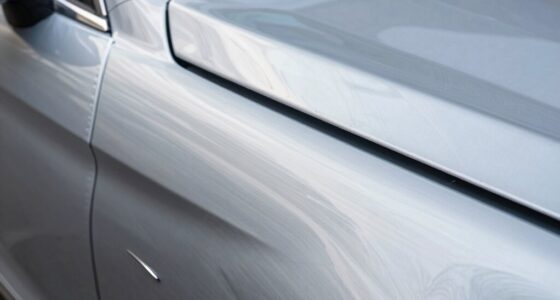
Using air movers without managing humidity can trap moisture, causing fabrics to wrinkle and materials to be damaged. If you direct airflow improperly or leave humidity unchecked, residual moisture remains, leading to uneven drying and creases. Rushing the process without monitoring humidity levels increases the risk of wrinkling. To avoid this mistake, it’s essential to balance airflow with humidity control. Keep going to discover how to perfect your drying technique for wrinkle-free results.

Get business pricing on tools and workshop supplies
- Business-only prices and quantity discounts
- Tax-exempt purchasing
- Multiple users, one account, clear invoices
Key Takeaways
- Using air movers without controlling humidity can trap moisture, leading to wrinkling and residual dampness.
- Excessive airflow directed at fabrics without proper humidity management accelerates uneven drying and creases.
- Relying solely on air movers without humidity control prevents even moisture removal, causing fabric distortion.
- Ignoring proper placement and operation of air movers can create hot spots, increasing wrinkle formation.
- Failing to monitor environmental conditions during drying results in uneven moisture evaporation and fabric wrinkling.
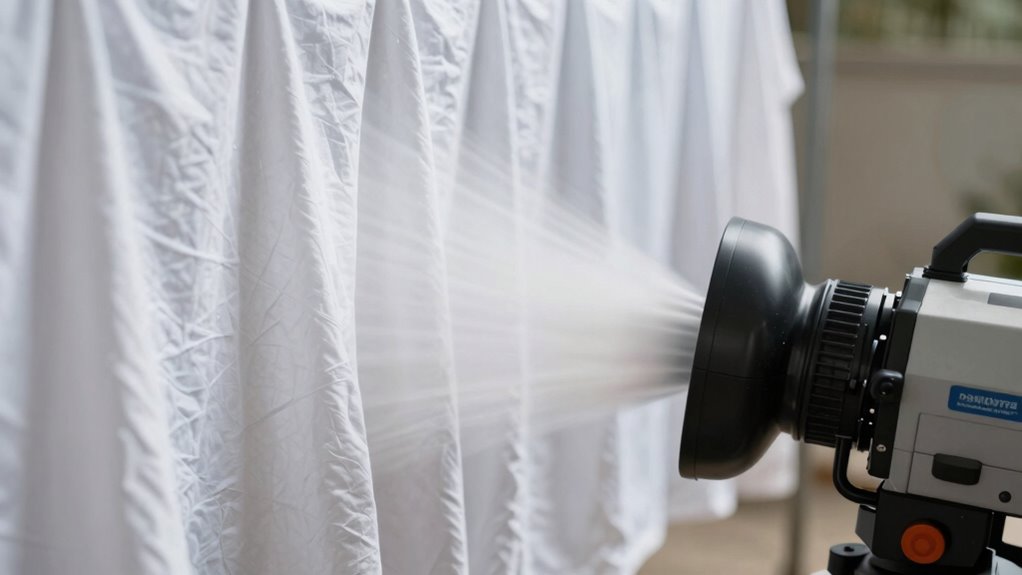
Ever wondered how long it takes for your space to dry after a flood or water damage? The answer depends on several factors, including the effectiveness of your drying techniques and how well you manage humidity control. When water seeps into materials like fabrics, upholstery, or even walls, proper drying isn’t just about removing surface moisture; it’s about penetrating deep into the materials to prevent further damage. Using air movers can considerably speed up this process, but only if they’re used correctly. If you rely on them without considering humidity control, you might end up with unintended consequences, like wrinkling in fabrics or warping in furniture.
Proper drying depends on techniques and humidity control to prevent damage and wrinkles.
Air movers work by increasing airflow across wet surfaces, accelerating evaporation. However, their effectiveness hinges on proper placement and operation. You need to ensure that the airflow is directed where it’s needed most and that the room’s humidity levels are kept in check. High humidity slows down drying because moisture stays trapped in the air, making it harder for water to evaporate from surfaces. That’s why controlling humidity is a critical part of your drying strategy. A dehumidifier, paired with air movers, creates an ideal environment for drying by pulling excess moisture out of the air, allowing fabrics and materials to dry uniformly and thoroughly.
Drying techniques aren’t just about blasting air; they involve a careful balance of airflow, temperature, and humidity. If you focus solely on air movers without managing humidity, you risk leaving behind residual moisture that can cause issues like mold growth or fabric wrinkling. When fabrics stay damp for too long, they tend to develop wrinkles or creases, especially if they’re left in a humid environment. This is a common mistake people make—thinking that fast airflow alone will dry everything evenly. In reality, without humidity control, the moisture can become trapped, leading to uneven drying and wrinkles that are difficult to remove later.
To avoid this, you should set up your drying environment with both air movers and dehumidifiers working together. This combination ensures the moisture is removed quickly and evenly, preventing the fabrics from wrinkling or becoming damaged. Proper drying techniques involve monitoring humidity levels regularly and adjusting your equipment accordingly. Additionally, understanding drying time factors can help you better plan your drying process and avoid common pitfalls. By doing so, you’ll not only speed up the drying process but also preserve the integrity of your materials, keeping everything looking smooth and undamaged. Remember, effective drying isn’t just about rushing the process; it’s about doing it intelligently with the right tools and strategies.
As an affiliate, we earn on qualifying purchases.
Frequently Asked Questions
How Can I Tell if My Clothes Are Dry Enough?
You can tell if your clothes are dry enough by feeling them for warmth and stiffness; they should be cool and soft to the touch. Use fabric softeners during drying to help with wrinkle prevention, making clothes easier to iron or wear straight from the dryer. Avoid removing items too early, as dampness can cause wrinkles to set. When in doubt, give them a little extra drying time for perfect results.
What Settings Should I Use on My Air Mover?
You should set your air mover to a high or maximum setting for effective drying. Use this setting during your drying techniques to speed up the process without causing wrinkles. Make certain to position the air mover properly—aim it directly at the clothes without blowing too hard, which can cause wrinkling. Monitor the drying process closely and adjust the settings as needed to ensure your clothes dry evenly and smoothly.
Can Over-Drying Cause Fabric Damage?
Can over-drying cause fabric damage? Absolutely. Excessive drying with air movers can lead to fabric shrinkage and color fading, making your clothes look worn out prematurely. When you dry fabrics too long or with too much heat, you risk weakening fibers and dulling dyes. To avoid this, monitor your drying process closely, and don’t leave items in the dryer longer than necessary. Proper drying preserves your fabrics’ appearance and longevity.
How Long Should I Run an Air Mover for Best Results?
You should run an air mover for about 24 to 48 hours, depending on the fabric and thickness. To maximize air mover efficiency, keep it close but not touching the fabric, and guarantee good airflow around the item. For drying time tips, monitor the fabric regularly to prevent over-drying, which can cause wrinkling. Adjust the air mover as needed to maintain consistent airflow and optimize drying speed.
Are There Specific Fabrics More Prone to Wrinkling?
Imagine this: cotton and linen are like your trusty medieval armor—more prone to wrinkling, especially if you don’t handle them carefully. Fabrics like silk or polyester, on the other hand, resist wrinkles better. If you want to avoid creases, be mindful of fabric types and their wrinkle susceptibility. Use air movers wisely, and you’ll keep your clothes looking crisp, even when dealing with more delicate or prone-to-wrinkle fabrics.
Conclusion
Remember, rushing the drying process is like ignoring a warning sign on a stormy night—you risk damage that’s hard to undo. By understanding the importance of proper air mover use and allowing sufficient dry time, you protect your belongings from wrinkles and harm. Don’t let haste be the thief of quality; instead, embrace patience as your ally. After all, true mastery lies in knowing when to wait—because sometimes, the quietest moments yield the most beautiful results.
Halloween Picks
halloween
As an affiliate, we earn on qualifying purchases.