
TL;DR

Get business pricing on tools and workshop supplies
- Business-only prices and quantity discounts
- Tax-exempt purchasing
- Multiple users, one account, clear invoices
Hunker describes a do-it-yourself way to reuse old glass jars by wrapping them with jute twine and securing it with hot glue. The project can hide labels and logos while leaving parts of the glass visible; the article says the finished jars can hold household items or serve as decor.
Hunker has outlined a DIY method for turning used glass jars into twine-wrapped storage containers, using jute twine and hot glue to cover labels, logos or other unattractive markings. The idea gives householders a way to reuse jars for pantry, countertop or open-shelf storage, though the article presents it as a craft suggestion rather than a tested product or formal home-organization study.
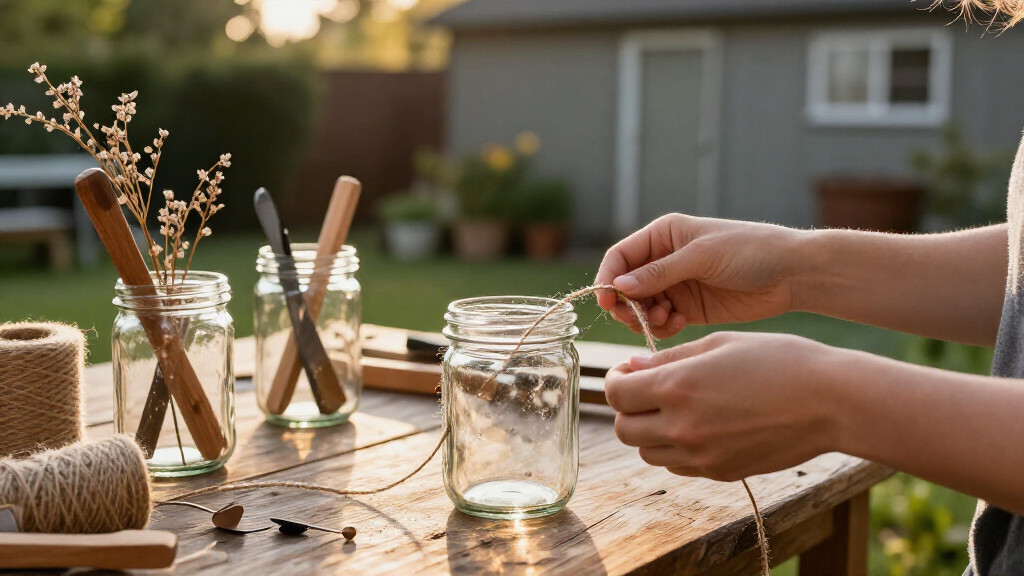
The instructions call for clean, fully dried jars, jute twine and hot glue. Hunker advises soaking jars in soapy water to loosen label residue, and says an equal mixture of water and vinegar left inside overnight can help remove lingering odors. The jar should be dry before the twine is attached.
To cover the base, start by gluing the twine’s end at the center of the jar’s bottom, then wind it outward in a spiral. Continue from the edges of the base up the sides, applying glue as the twine is laid down. The article also suggests starting a separate length just below the lid, and says the lid itself can be wrapped in a similar way.
The amount of coverage is optional: crafters can wrap the whole jar or leave portions of glass uncovered. Hunker warns against putting excess glue near the jar’s threads, where it could make the lid difficult to open. Optional accents include flat twine spirals attached to burlap or narrow strips arranged as bands around the container.
A Second Use for Empty Jars
The project offers a low-cost reuse option for glass containers that might otherwise be discarded or stored out of sight. Wrapping the exterior can conceal old branding and label marks, while a partial covering keeps some of the contents visible. That makes the method relevant to people who want storage containers that look more coordinated on open shelves or counters.
Its practical value depends on how the jars are used. A twine-covered jar may suit dry goods or small household items, but the source does not establish that the finish is washable, moisture-resistant or appropriate for food contact. The instructions focus on appearance and basic storage, so users should account for cleaning and the contents they plan to keep inside.
Products Worth Considering

TCL QM64L 85-Inch QD-Mini LED 4K Smart Fire TV

Philips Hue Festavia 130-Foot Indoor/Outdoor Smart String Lights, 500 LEDs

Bose SoundLink Flex (2nd Gen) Portable Bluetooth Speaker
As an affiliate, we earn on qualifying purchases.
How the Jar-Wrapping Method Works
Reuse is the starting point of Hunker’s suggestion: an ordinary glass jar already provides a container, while jute twine changes its exterior. The natural brown fiber gives the finished item a rustic appearance that the source associates with cottage-inspired decor. The underlying container remains glass, and the project does not require replacing it with a purpose-made basket or canister.
The article suggests several possible uses, including pantry and countertop organization, storage in other rooms, and a decorative centerpiece. For the centerpiece idea, it mentions placing a battery-powered tea light inside. That suggestion is distinct from using a flame; the source does not recommend putting a lit candle in the jar.
““all you’ll need for adhering jute twine to the outsides of your glass jars is some hot glue and scrap burlap if you prefer.””
— Hunker
Care and Use Limits
The source does not specify what type of hot glue to use, how much glue is needed, or how securely the twine will hold up over time. It also gives no tests or guidance on washing the finished jars, exposure to moisture, or whether wrapped containers are suitable for food storage. Readers should not assume the twine-covered exterior can be cleaned like bare glass.
Hunker describes the jars as useful for storage and decor, but does not provide measurements, cost estimates or a comparison with commercial containers. The appearance and durability may vary with the jar shape, twine thickness and glue application. Its candle-related suggestion is specifically for a battery-powered tea light; the article does not establish that a flame is safe inside a wrapped jar.
Choose a Jar and Test the Fit
The next step for someone trying the project is to select a jar, remove its label and residue, clean it, and let it dry fully. Before wrapping the entire surface, a small test section can help show how the twine and glue sit on that particular glass. Keep adhesive clear of the lid’s threads, and decide whether the jar needs to remain partly transparent for its intended contents.
Hunker’s report does not announce a follow-up test or additional results. The practical outcome will depend on the maker’s chosen materials and use: jars intended for display may need different coverage from containers opened frequently. Anyone using the jars for food or items that require regular washing should check whether the finished exterior can be kept clean, since the article does not answer that question.
Key Questions
What supplies does the project require?
Hunker lists jute twine and hot glue as the main supplies. Scrap burlap is optional for decorative details, and the instructions also call for a clean, dry glass jar.
How do you start wrapping the jar?
Glue the twine’s end to the center of the jar’s bottom, then wind it outward in a spiral. Continue around the base and up the sides, applying glue as you go.
Can parts of the glass stay uncovered?
Yes. The instructions allow a full wrap or a pattern that leaves some glass visible. Leaving a gap can also create space for a decorative detail.
How can the jars be used?
The article suggests them for pantry or countertop organization, storage in other rooms, and decor. It also mentions a centerpiece using a battery-powered tea light.
Can a twine-covered jar be washed or used for food?
The source does not provide washing or food-safety guidance for the finished jars. Because the exterior includes twine and glue, do not assume it can be cleaned like bare glass; consider the intended contents and care needs before using one for food storage.
Source: hunker.com