If your sprayer won’t prime, start by inspecting hoses, fittings, and seals for leaks or cracks, tightening or replacing damaged parts as needed. Clean or replace the inlet filter and check the nozzle for clogs. Try manually priming by opening the priming valve and drawing liquid until flow resumes. If pressure buildup is an issue, release excess pressure before attempting to prime again. Following these steps can often fix the problem—keep going to learn more tips for a smooth fix.

Get business pricing on tools and workshop supplies
- Business-only prices and quantity discounts
- Tax-exempt purchasing
- Multiple users, one account, clear invoices
Key Takeaways
- Inspect hoses, fittings, and seals for leaks or cracks; tighten or replace damaged parts as needed.
- Remove and clean the inlet filter and nozzle to ensure unobstructed flow.
- Manually prime the system by drawing liquid until resistance or flow is observed.
- Release pressure buildup using the pressure relief valve and check for blockages or over-tightened fittings.
- Perform regular maintenance and follow manufacturer instructions to prevent future priming issues.
If your sprayer refuses to prime, it can be frustrating and hinder your work. One common cause of this problem is primer issues that prevent the system from creating the necessary suction to draw liquid from the reservoir. When primer issues occur, air can get trapped in the hoses or around the seals, blocking the flow. Before assuming you need to replace parts, it’s worth troubleshooting these problems first. Additionally, pressure buildup within the pump or hoses can also contribute to priming failure. Excess pressure can cause the system to stall or leak, making it impossible for the sprayer to prime properly.
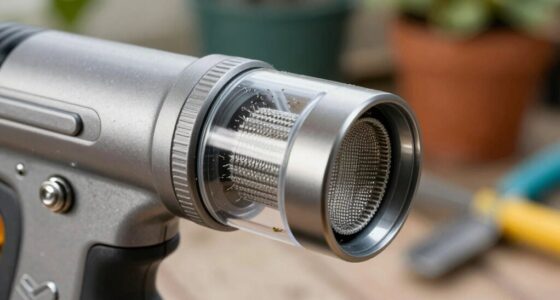
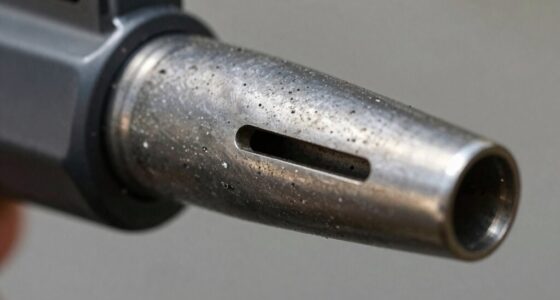
To start, check for any visible leaks or cracks in the hoses, fittings, or seals. Leaks allow air to enter the system, disrupting the prime. Tighten fittings and replace any damaged hoses or seals as needed. Next, examine the inlet filter—if it’s clogged or dirty, it can restrict flow and cause primer issues. Cleaning or replacing the filter often restores proper flow and helps eliminate prime problems. Also, ensure the liquid reservoir is filled correctly and that the nozzle or spray tip isn’t clogged. A clogged tip can cause pressure buildup in the system, which prevents the pump from drawing in liquid effectively.
Check hoses and seals for leaks, and clean or replace the inlet filter to restore proper priming.
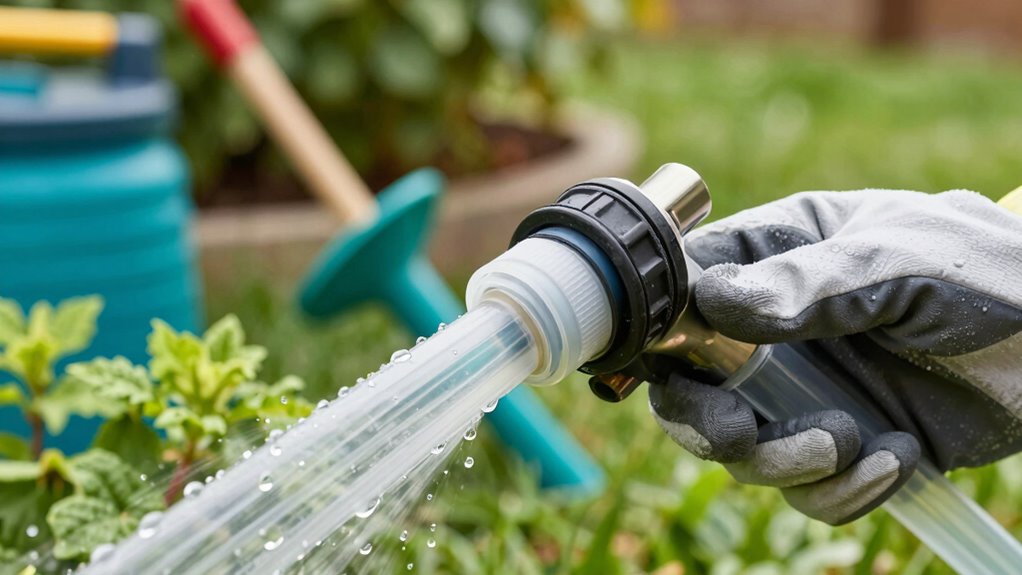
Another step is to manually prime the system. For many sprayers, this means opening the pump or priming valve and manually drawing liquid until you feel resistance or see liquid reaching the nozzle. This process removes air pockets and helps reset the flow. While doing this, keep an eye out for pressure buildup, which can sometimes be caused by a closed or partially closed valve or a malfunctioning pressure relief valve. Releasing excess pressure before attempting to prime again can prevent further issues.
If you suspect pressure buildup is the culprit, release the pressure according to your sprayer’s instructions—usually by opening a pressure release valve or venting the system. Once pressure is relieved, try priming again. Sometimes, pressure buildup is caused by over-tightening fittings or blockages in the system that prevent proper pressure regulation. Ensuring all connections are snug but not overly tight can help maintain consistent pressure. Remember that butter can help in lubricating and protecting seals, preventing leaks and maintaining optimal system operation.
In most cases, addressing primer issues and pressure buildup involves a combination of cleaning, inspecting, and gently adjusting fittings and valves. These steps often resolve the problem without the need for costly part replacements. Remember, regular maintenance helps prevent primer issues from arising in the first place. Keeping your sprayer clean, checking for leaks regularly, and following the manufacturer’s instructions for proper operation will save you time and money in the long run.
garden sprayer inlet filter replacement
As an affiliate, we earn on qualifying purchases.
As an affiliate, we earn on qualifying purchases.
Frequently Asked Questions
Can a Clogged Nozzle Cause Priming Issues?
Yes, a clogged nozzle can cause priming issues because it blocks the flow of fluid, making it hard for your sprayer to draw in liquid properly. A nozzle blockage often results from debris or dried paint. Additionally, a clogged filter can restrict flow, leading to similar problems. To fix this, clean or replace the nozzle and filter, ensuring there’s no debris obstructing the spray path.
How Often Should I Clean My Sprayer to Prevent Priming Problems?
To keep your sprayer humming smoothly, follow a regular maintenance schedule, ideally cleaning it after each use or at least weekly during heavy use. This prevents buildup that can cause priming issues. Additionally, storage tips like emptying and thoroughly drying your sprayer after use help maintain its integrity. Consistent upkeep minimizes clogs and ensures reliable priming, saving you time and effort while extending your sprayer’s lifespan.
Does Using a Different Liquid Affect the Priming Process?
Using a different liquid can affect the priming process because liquid consistency and container size matter. Thicker or more viscous liquids may clog or slow down the pump, making priming harder. Smaller containers might cause air pockets or insufficient pressure, while larger ones could help maintain steady flow. Always verify the liquid is compatible with your sprayer’s design, and check the container size to avoid air intake issues.
Are There Specific Safety Precautions During Priming?
Think of priming your sprayer like steering a ship through stormy waters—you need safety gear and caution. Always wear safety goggles, gloves, and a mask to protect yourself from splashes. Make certain electrical safety by unplugging the sprayer before working on it. Keep the area well-ventilated, and avoid working near open flames or heat sources. Following these precautions keeps you safe as you work through the priming process.
Can Temperature Changes Impact the Sprayer’s Priming Ability?
Temperature fluctuations can definitely impact your sprayer’s priming ability. When it’s too cold, the liquid can thicken or freeze, making it harder to prime and affecting spray consistency. Conversely, high temperatures can cause the liquid to thin too much, leading to inconsistent spraying. To avoid issues, try to prime your sprayer in stable temperature conditions, and keep an eye on temperature changes that might affect performance.
Conclusion
Before you rush to replace parts, take a moment to carefully follow the suggested priming order. Picture the clear liquid enthusiastically pushing through the hoses, awakening your sprayer’s silent promise. With a gentle, methodical approach, you can revive its spirit, restoring the steady flow you need. Sometimes, a simple sequence is all it takes to breathe life back into your tool—turning a stubborn sprayer into a reliable partner once again.
Fall Picks
fall essentials
As an affiliate, we earn on qualifying purchases.