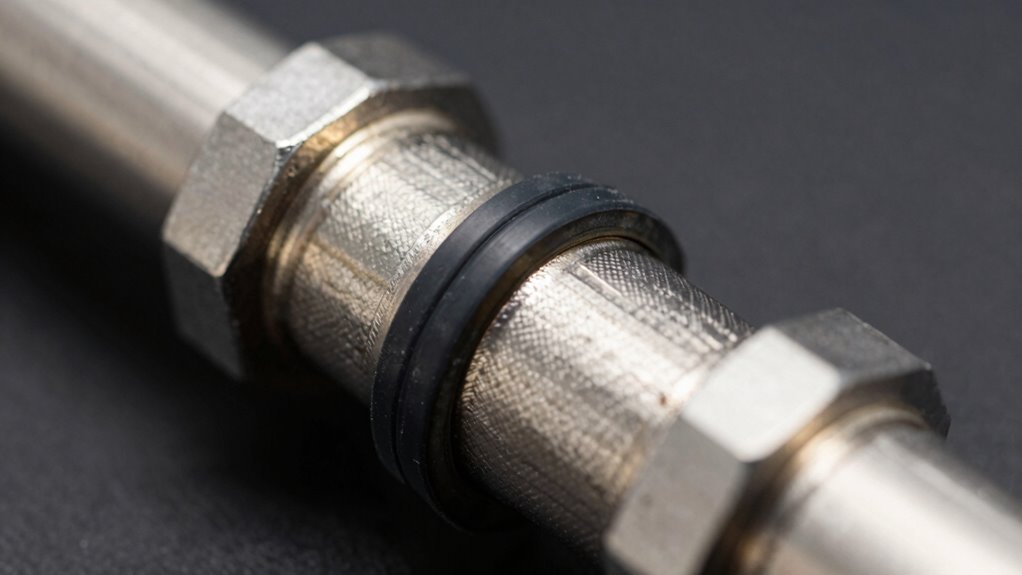

To seal leaks at connections, follow the gasket rule: guarantee gaskets are intact, properly seated, and undamaged before tightening fittings. Check for cracks, brittleness, or misalignment, and replace any worn gaskets promptly. Carefully clean and position the gasket to prevent gaps. Tighten fittings to the correct torque — not too loose or too tight — to create a secure seal. Mastering this simple step can save you from drips and water damage later. Keep going for more tips to get it right.

Get business pricing on tools and workshop supplies
- Business-only prices and quantity discounts
- Tax-exempt purchasing
- Multiple users, one account, clear invoices
Key Takeaways
- Ensure gaskets are intact, properly seated, and free of cracks or damage before reassembling fittings.
- Turn off water supply and thoroughly clean the gasket and fitting surfaces to promote a secure seal.
- Avoid over-tightening fittings, which can damage gaskets and cause leaks; tighten to manufacturer-recommended torque.
- Use appropriate sealants or thread tape alongside gaskets for added sealing in high-pressure or old pipe connections.
- Regularly inspect and replace worn or damaged gaskets to maintain leak-proof connections and prevent drips.
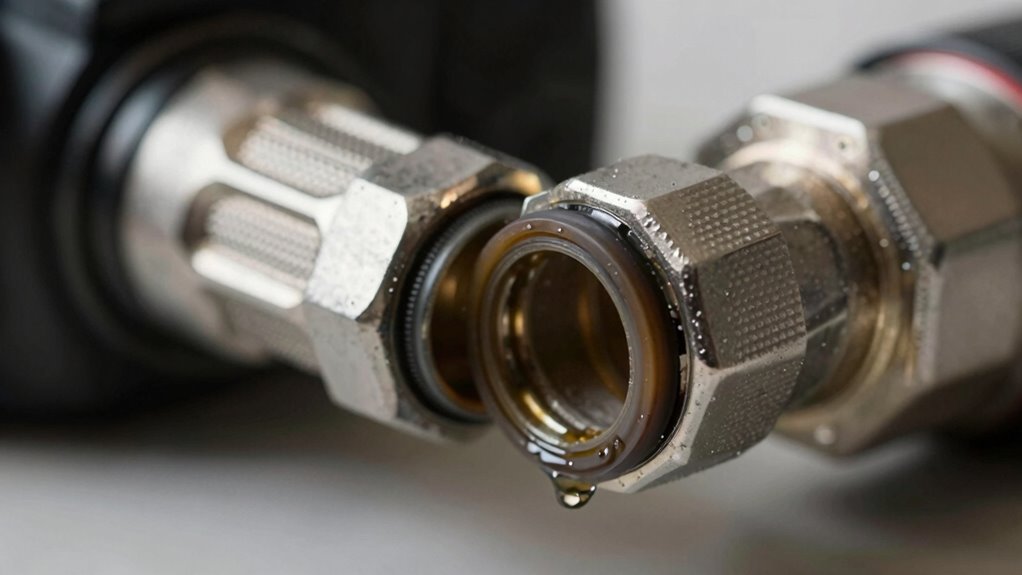
Have you ever noticed water stains or drips around pipe connections? If so, you’re likely dealing with a leak that needs immediate attention. These leaks often originate at pipe fittings, the critical joints where pipes connect. Recognizing the signs early is key to preventing water damage and costly repairs. Leak detection becomes your first line of defense—spotting the small drips or damp spots that signal a problem before it worsens. Once you identify the leak, the next step is to seal it properly to stop the drip at its source. This is where understanding the gasket rule can make all the difference.
Early detection of leaks at pipe fittings prevents water damage and saves costly repairs.
Pipe fittings are designed to connect sections of pipe securely, but over time, the seals within these fittings can wear out or become misaligned. Gaskets, in particular, serve as the sealing component between fittings, preventing water from escaping. When a gasket is damaged, improperly installed, or degraded, leaks tend to develop. The gasket rule emphasizes the importance of ensuring these seals are intact and properly seated during installation or repair. It’s a simple yet effective principle: a tight, well-positioned gasket can stop leaks before they start or get worse.
To apply this rule, start by inspecting your pipe fittings carefully. Look for water stains, corrosion, or mineral buildup around the joints. Use leak detection techniques, such as applying soapy water to see if bubbles form at the connection, to pinpoint the exact source of the leak. Once identified, turn off the water supply before attempting any repairs. When you loosen or remove the fitting, check the gasket’s condition. If it’s cracked, brittle, or compressed unevenly, replace it. Always ensure the gasket is clean and properly aligned when you reassemble the fitting.
Sealing leaks at connections isn’t just about replacing gaskets. It involves tightening fittings to the correct torque, avoiding over-tightening which can damage the gasket or fitting itself. Using the right sealant or thread tape can also enhance the seal, especially in older pipes or high-pressure systems. The gasket rule reminds you to prioritize proper installation, as a small oversight can lead to persistent leaks. With patience and attention to detail, you can restore integrity to your piping system, preventing drips and water damage.
Additionally, regular maintenance and periodic inspections help catch gasket issues early, reducing the likelihood of leaks developing over time. Ultimately, effective leak detection and sealing at pipe fittings depend on your vigilance and knowledge. Recognize early signs, understand how gaskets work, and follow best practices during installation or repairs. This proactive approach saves you time, money, and frustration—keeping your pipes secure and your environment dry.
gasket replacement for pipe fittings
As an affiliate, we earn on qualifying purchases.
As an affiliate, we earn on qualifying purchases.
Frequently Asked Questions
How Can I Identify a Gasket Leak Early?
You can identify a gasket leak early by inspecting the gasket material for visible signs of wear, such as cracks or deformation. Use leak detection methods like applying a soap solution around connections to see bubbles forming, indicating leaks. Regularly check for moisture or corrosion around gasket areas. Early detection saves you from costly repairs and prevents water damage, ensuring your connections stay sealed and functional.
Are There Eco-Friendly Gasket Sealant Options Available?
Think of eco-friendly gasket sealants as a gentle breeze for your plumbing. Yes, biodegradable options and natural sealants are available, offering an environmentally conscious way to fix leaks. You can find plant-based or mineral-based sealants that work just as well as traditional chemicals. These natural sealants not only protect the planet but also guarantee your connections stay tight without harmful residues, making your repairs safer and greener.
How Often Should Gaskets Be Inspected or Replaced?
You should inspect gaskets regularly, ideally during your routine maintenance schedule, and replace them whenever you notice signs of wear or leaks. The replacement frequency depends on your system’s usage and conditions, but generally, it’s wise to verify every 1-3 years. Staying consistent with your inspection schedule helps prevent leaks and ensures your connections remain sealed effectively, saving you time and potential repair costs down the line.
Can Gasket Leaks Cause Long-Term Pipe Damage?
Yes, gasket leaks can cause long-term pipe damage if left unchecked. Water exposure leads to corrosion, weakening pipe integrity over time. To prevent this, you should focus on corrosion prevention strategies and choose the right gasket material for your specific application. Regular inspection and timely replacement help avoid persistent leaks, ensuring your pipes stay protected from deterioration and costly repairs down the line.
What Tools Are Best for Tightening Gasket Connections?
You should use a torque wrench to tighten gasket connections properly, making certain a secure seal without over-tightening. For pipe fittings, an adjustable wrench or pipe wrench works well to hold and turn fittings safely. Make sure you select the right size wrench and apply steady pressure, checking the gasket for leaks as you tighten. These tools help prevent damage and ensure a leak-free connection.
Conclusion
Don’t let small leaks turn into big problems. Sealing connections with the right gasket is a simple fix that saves you time and money. You might think it’s a hassle, but once you see how easy it is to prevent drips, you’ll wonder why you didn’t do it sooner. Remember, a quick seal keeps everything running smoothly and avoids costly repairs later. Take action now—you’ll thank yourself later for stopping leaks before they start.
Fall yard work Picks
leaf blowers
As an affiliate, we earn on qualifying purchases.