
Using the wrong spray booth filters can restrict airflow, cause uneven finishes, and increase safety risks. Poorly matched filters clog quickly, leading to turbulence, longer drying times, and increased energy costs. Always choose filters designed specifically for your spray booth to guarantee maximum trapping efficiency and proper airflow. Neglecting this can result in costly paint defects and compromised safety. Stay tuned to discover how to select and maintain the right filters for the best performance.
Key Takeaways
- Use filters specifically designed for your spray booth to ensure proper airflow and trapping efficiency.
- Regularly replace filters to prevent clogging, maintain air quality, and avoid safety hazards.
- Avoid using generic or incompatible filters that can restrict airflow and cause uneven paint finishes.
- Monitor airflow regularly to identify when filter replacement is necessary and prevent performance issues.
- Follow manufacturer recommendations for filter selection and maintenance to ensure optimal safety and efficiency.
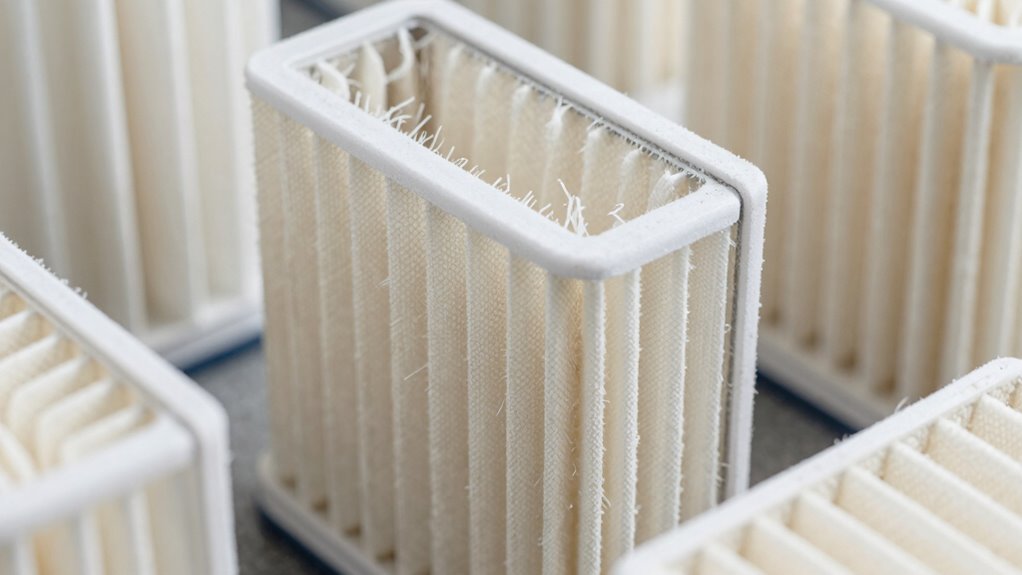
Spray booth filters are essential components that keep your painting environment clean and safe. They trap overspray, dust, and airborne particles, ensuring that the air remains clear and that your finished work meets quality standards. But choosing the right filters isn’t just about size or cost—it directly impacts the airflow efficiency of your spray booth. When filters are improper or worn out, airflow can become restricted, causing poor paint atomization, uneven finishes, or prolonged drying times. To maintain optimal performance, it’s crucial to understand how filter selection affects airflow and to stick to appropriate filter replacement schedules. Regularly changing filters prevents clogging, which can choke airflow and reduce the booth’s efficiency. Neglecting timely replacements means your spray booth has to work harder, leading to increased energy consumption and higher operational costs.
You should always consider airflow efficiency when selecting filters. High-quality filters designed specifically for your booth ensure that air flows smoothly through the system without unnecessary resistance. This means your spray gun maintains a consistent spray pattern, and overspray is effectively captured without creating turbulence or backpressure. When filters are compatible with your system, they allow for maximum airflow while still trapping contaminants, which improves overall painting quality and safety. If you notice a decline in airflow, it’s often a sign that filters need replacing, and delaying this can cause issues like paint defects or health hazards from airborne particles escaping into the environment. Proper filter maintenance is essential to keeping your spray booth operating safely and efficiently.

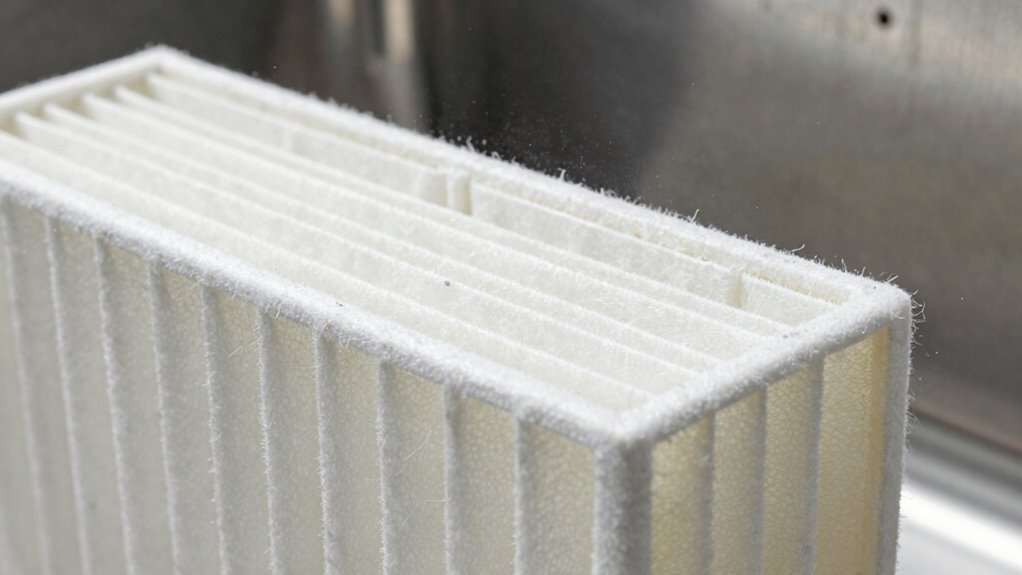
Master Elite Paint Spray Booth Exhaust Filter Pad 20" x 20", Box of 50
- Box of 50, 20" x 20" Master Elite…
- The standard size 20" x 20" exhaust paint…
- Highly effective blue exhaust paint arrestor filter pads…
As an affiliate, we earn on qualifying purchases.
As an affiliate, we earn on qualifying purchases.
Frequently Asked Questions
How Often Should Spray Booth Filters Be Replaced?
You should replace spray booth filters regularly to maintain ideal airflow and guarantee filter maintenance. Typically, replace them every 4 to 6 weeks, but this can vary based on usage and paint type. Keep an eye on airflow performance; if airflow drops or filters become visibly dirty, change them sooner. Proper filter maintenance prevents overspray buildup and keeps your spray booth functioning efficiently, reducing downtime and improving finish quality.
What Are the Signs of a Clogged Spray Booth Filter?
Think of your spray booth filter as the lungs of your operation—when blocked, airflow reduction becomes obvious. If you notice dust buildup, paint overspray, or uneven finishes, it’s time for filter inspection. Clogged filters often cause reduced airflow, which hampers performance and quality. Don’t ignore these signs; a clogged filter is like trying to breathe through a smog-filled window—inefficient and frustrating. Regular checks keep your spray booth running smoothly.
Can I Reuse Spray Booth Filters?
You shouldn’t reuse spray booth filters, as it compromises filter maintenance and safety precautions. Reusing filters can lead to decreased filtration efficiency, risking paint fumes and overspray exposure. Always replace filters when they’re clogged or after a recommended interval. Prioritize safety by inspecting filters regularly and following manufacturer guidelines. Proper disposal and timely replacement help maintain a safe environment and ensure peak spray booth performance.
Which Filter Types Are Best for Specific Spray Applications?
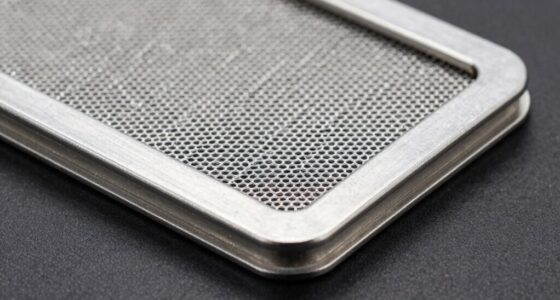
You can’t afford to play it by ear when choosing filters; proper filter selection is crucial. For solvent-based paints, use activated carbon filters for maximum absorption. Waterborne applications need fine mesh filters to prevent clogging. Consider application compatibility to guarantee dust, overspray, or fumes are effectively captured. Matching the right filter type to your specific spray application maximizes efficiency, keeps your workspace clean, and extends filter life—don’t cut corners here.
How Do I Properly Dispose of Used Spray Booth Filters?
You should carefully dispose of used spray booth filters as hazardous waste, following your local regulations. Wear protective gear and seal the filters in a leak-proof container. Check for recycling options in your area; some facilities can safely recycle or repurpose used filters. Never throw them in regular trash, as they may contain harmful residues. Proper disposal protects the environment and keeps your workspace compliant.
Conclusion
Using the right spray booth filters might seem like a small detail, but it makes a big difference in your results. Don’t risk uneven finishes or costly repairs by choosing the wrong filters. Imagine your project coming out flawless, with a smooth, professional look every time. It’s worth the extra effort to select filters designed for your equipment. Trust me, investing in the right filters keeps your workspace cleaner and your finishes perfect—so don’t cut corners.