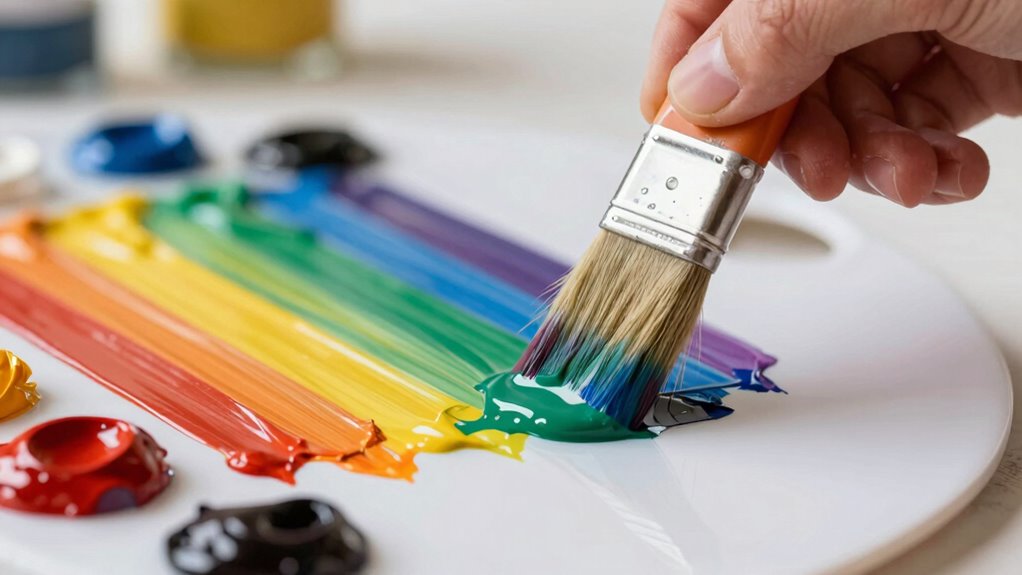

Transfer efficiency is all about how much paint sticks to the surface instead of slipping away or dripping. When you paint carefully with the right amount of paint on your brush, you waste less and get a smooth finish. Good technique, paint flow, and consistency help move more paint directly onto what you’re painting. If you want to learn ways to make your paint last longer and stay cleaner, keep going.
Key Takeaways
- Transfer efficiency means getting more paint onto the surface and less going to waste.
- Using gentle, controlled brush strokes helps paint move smoothly from brush to wall.
- Making paint the right thickness so it flows easily reduces drips and excess paint.
- Good technique and proper paint flow stop puddles and splatters, saving paint.
- Better transfer efficiency means less paint used, saving money and helping the environment.
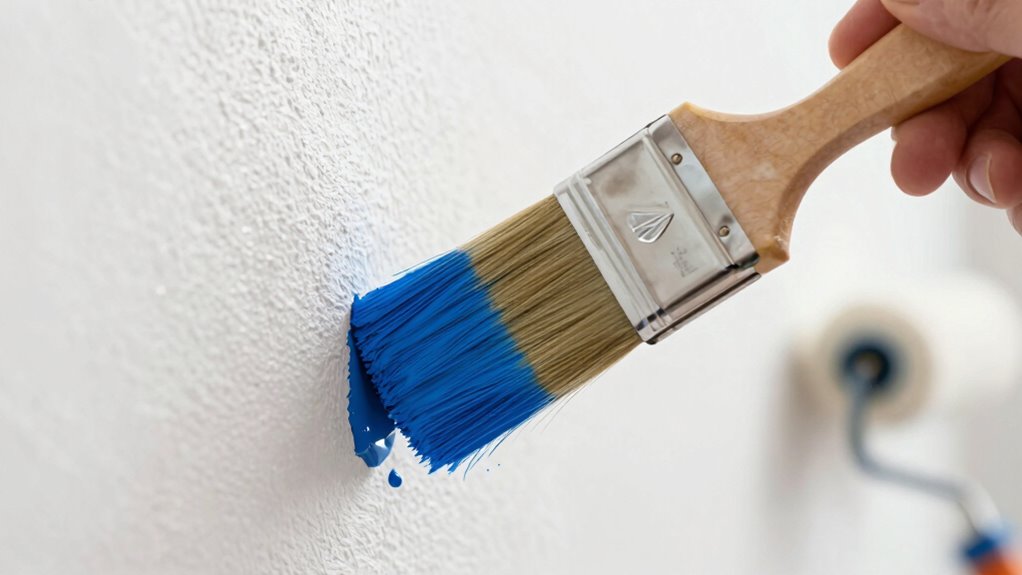
Transfer efficiency measures how effectively energy, power, or resources move from one system or component to another. When it comes to painting, this concept is all about how much of your paint actually ends up on the surface you want to cover, rather than wasted or lost along the way. To improve transfer efficiency, you need to focus on a few key factors, especially your brush techniques and the paint consistency. These may seem simple, but they have a huge impact on how much paint you use and how much ends up where it should.
First, let’s talk about brush techniques. When you’re painting, how you hold and move your brush makes a big difference in transfer efficiency. If you press too hard or use sweeping motions, you tend to apply more paint than necessary, which leads to waste. Instead, try to use controlled, light strokes, allowing the brush to glide smoothly over the surface. This way, you can get even coverage without excess paint dripping or pooling. Proper brush techniques help you apply just enough paint to cover the area, reducing over-application and ensuring more of your paint goes directly onto the surface rather than ending up on your brush or the floor.
Additionally, understanding the importance of paint flow** and how it affects transfer efficiency can help you make better adjustments for optimal results. Next, consider the paint consistency. If your paint is too thick, it won’t flow well from the brush, and you’ll end up applying more paint to achieve coverage, which wastes material. On the other hand, if it’s too thin, it might drip or run, again wasting paint and creating messes. Finding the right paint consistency is essential. Usually, adding a small amount of water or paint thinner, as recommended by the manufacturer, helps achieve a smooth, even flow. When your paint is just right, your brush glides effortlessly, and you can control how much paint you pick up with each stroke. This prevents excess paint from collecting on the brush and reduces drips**, which improves transfer efficiency.

UPINS 12 Piece Water Color Brush Pen Set for Watercolor Paint Markers
- Complete Set of 12 Brushes: Includes flat and sharp brushes in three sizes
- High-Quality Nylon Tips: Ensures smooth, consistent strokes without spreading
- Portable and Lightweight: Easy to carry for on-the-go watercolor painting
As an affiliate, we earn on qualifying purchases.
As an affiliate, we earn on qualifying purchases.
Frequently Asked Questions
How Does Transfer Efficiency Affect Paint Costs?
Transfer efficiency directly impacts your paint costs by determining how much paint actually lands on the surface. When you improve your spray technique and incorporate paint recycling, you waste less paint and use fewer materials overall. Higher transfer efficiency means more of your paint goes where it should, reducing the need for extra coats or additional paint. This saves you money and makes your painting process more cost-effective and environmentally friendly.
Can Transfer Efficiency Be Improved With Different Tools?
You can definitely boost transfer efficiency with different tools. Think of it as hitting two birds with one stone—using the right tool makes a big difference. By improving your brush technique and choosing better tools like sprayers or rollers, you reduce wasted paint and get more on the surface. Upgrading your equipment helps you work faster and smarter, ensuring paint goes where it’s supposed to without unnecessary spills.
Does Transfer Efficiency Vary With Paint Types?
Yes, transfer efficiency varies with paint types. Different paints, like latex or oil-based, have unique properties affecting paint adhesion and how well they transfer onto surfaces. Some paints may spread more evenly, ensuring better color consistency and less waste. Choosing the right paint for your project helps maximize transfer efficiency, so your paint sticks well and looks great without wasting excess.
What Role Does Surface Prep Play in Transfer Efficiency?
Think of surface prep as giving your paint a welcoming hug. When you clean and smooth the surface, it boosts paint adhesion, helping more paint stick where it should. A rough or dirty surface can cause paint to slip away, wasting your effort. Proper surface texture guarantees the paint bonds well, increasing transfer efficiency. So, take time to prep—your paint will thank you with a better, longer-lasting finish.
Is Transfer Efficiency Important for Small Painting Jobs?
Yes, transfer efficiency matters even for small painting jobs. When you focus on good surface prep, like applying primer and ensuring proper adhesion, you use less paint and get better color matching. This means your small project looks professional and saves you money. Paying attention to transfer efficiency helps you avoid waste and achieve smooth, even coverage, making your work easier and more satisfying, no matter the size of the job.
Conclusion
Imagine painting a wall and watching most of your paint drip onto the floor instead of the wall. That’s what happens when transfer efficiency is low—you’re wasting paint and money. Just like pouring water into a cup without spilling a drop, improving transfer efficiency means more of your paint does its job. Remember, every drop counts, and with better transfer efficiency, you’re saving resources and making your work truly stick.