
If your sprayer is spitting, it’s likely due to pressure issues or nozzle blockages. Inconsistent pressure can cause uneven spray patterns, while debris or dried chemicals clogging the nozzle can lead to spurts or bursts. Over-pressurization or low pressure also worsens the problem. To fix this, check and adjust the pressure, clean the nozzles regularly, and make sure filters are in place. For more tips, you can find helpful solutions below.
Key Takeaways
- Nozzle blockages or clogs disrupt the spray pattern, causing sputtering or spitting.
- Inconsistent or excessive pressure can force liquid out unevenly, leading to spitting.
- Debris or dried chemicals in the nozzle can obstruct flow, resulting in sputtering.
- Over-pressurization may push liquid through unintended pathways, causing spitting.
- Regular cleaning and proper pressure regulation help prevent nozzle blockages and spray issues.
Have you ever experienced your sprayer spitting, causing uneven application or waste? If so, you’re probably frustrated because it disrupts your work and wastes resources. The most common reasons behind sprayer spitting are pressure issues and nozzle blockages. Understanding these problems can help you troubleshoot effectively and get your sprayer working smoothly again.
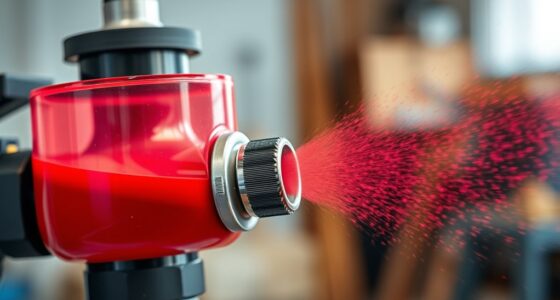
Pressure issues are often the main culprit when your sprayer starts spitting. If the pressure isn’t consistent, the spray pattern becomes uneven, and you may notice spurts or bursts of liquid instead of a steady flow. Low pressure can cause the liquid to drip or sputter, while excessive pressure might lead to over-pressurization, forcing liquid through unintended pathways. Check your pressure settings and ensure your pump or compressor is functioning correctly. Sometimes, a simple adjustment can restore the right pressure balance, preventing your sprayer from spitting. Remember, maintaining consistent pressure is essential for an even application, especially if you’re working on large or precise projects.
Consistent pressure prevents spitting and ensures even spray patterns during application.
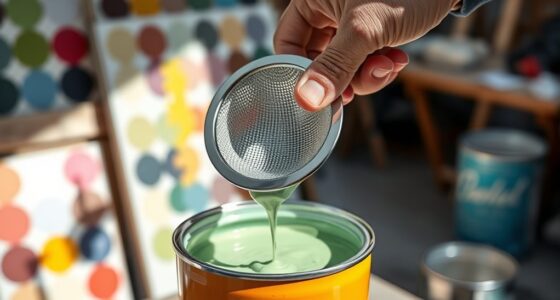
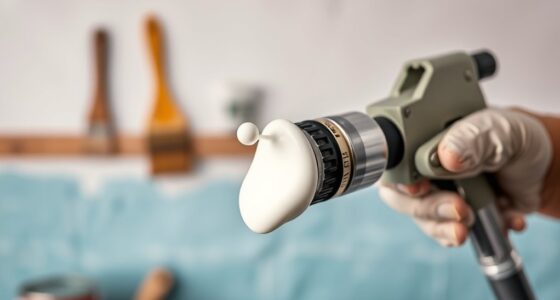
Nozzle blockages are another common issue that results in spitting. Over time, debris, dirt, or dried chemicals can clog the nozzle opening, disrupting the spray pattern. When the nozzle is blocked, the liquid can’t pass through smoothly, causing spurts or intermittent bursts of spray. Regular cleaning of your nozzle is vital to prevent this problem. Remove the nozzle and inspect it closely; if you see any buildup or obstructions, soak it in a cleaning solution or use a fine brush to clear the blockage. Make sure to use the correct tools so you don’t damage the nozzle, which could worsen the problem. Using filters can also help prevent debris from reaching the nozzle in the first place, saving you time and effort in maintenance. Additionally, inspecting your airless sprayer’s pump system can help identify issues with pressure consistency that contribute to spitting.

Tool Daily Pressure Washer Nozzle Kit for Washing, High Pressure Cleaning Needle Flush Wand Nozzle for Car, Washing Machine, Ac Cleaning, Water Heater, 1/4” Quick Connect, 4 Pack, 1-2 GPM
DEEP CLEANING: These thin pressure washer needle tips are made for cleaning narrow gaps, corners, and other hard-to-reach…
As an affiliate, we earn on qualifying purchases.
As an affiliate, we earn on qualifying purchases.
Frequently Asked Questions
Can a Clogged Nozzle Cause My Sprayer to Spit?
Yes, a clogged nozzle can cause your sprayer to spit. When the nozzle obstruction occurs, it restricts the flow of liquid, leading to pressure build-up inside the sprayer. This excess pressure can force the liquid out unevenly or forcefully, resulting in spitting. To fix this, clean or replace the nozzle regularly to prevent blockages and guarantee smooth, consistent spraying. Proper maintenance keeps your sprayer working efficiently.
How Does Temperature Affect Sprayer Performance?
Imagine your sprayer turning into a wild beast—temperature dramatically impacts its performance. When it’s hot, the liquid’s viscosity drops, causing uneven spray and messes. Cold temperatures make the liquid thick, clogging nozzles and ruining calibration. To keep your sprayer tame, adjust your calibration for temperature changes and consider liquid viscosity. This way, you’ll guarantee smooth, accurate spraying no matter the weather!
Is It Normal for My Sprayer to Spit at the Start?
It’s normal for your sprayer to spit during startup, especially during the initial spray. This happens because the system needs a moment to build up pressure and clear any air pockets. To minimize this, prime the sprayer properly before use and check for leaks or blockages. Once the pressure stabilizes, the spitting should stop, allowing for a smooth, consistent spray throughout your application.
What Types of Liquids Are More Prone to Causing Spitting?
Thinner liquids with low viscosity, like water or light cleaning solutions, are more prone to causing spitting. These liquids flow quickly through the sprayer, increasing chances of air pockets and inconsistent spray. Also, check chemical compatibility because incompatible chemicals can clog or damage the nozzle, leading to spitting. To avoid this, use liquids with appropriate viscosity and make certain they’re compatible with your sprayer’s materials.
How Often Should I Clean My Sprayer to Prevent Spitting?
An ounce of prevention is worth a pound of cure. You should clean your sprayer thoroughly after each use to avert spitting. Incorporate regular maintenance routines, such as flushing the system and inspecting seals, to keep it in top shape. Follow storage tips like emptying the tank and storing in a cool, dry place. Doing this consistently ensures smooth operation and reduces the chances of clogging or spitting.

Lwuey Greenhouse Water Pressure Regulator, G3/4in Adjustable Valve Gauge Garden Lawn Patio Irrigation Controller Accessories Visualized Turning Wheel Adjustment Plumbing System Reducer Watering
Visualized Pressure Adjustment: The water pressure regulator for patio features a visualized pressure adjustment mechanism, allowing users to…
As an affiliate, we earn on qualifying purchases.
As an affiliate, we earn on qualifying purchases.
Conclusion
So, next time your sprayer starts spitting, remember to check for clogs, leaks, or pressure issues. Think of it like fixing the Queen’s tea set—you wouldn’t just ignore a crack or a drip! A little maintenance goes a long way in keeping your sprayer working smoothly. Don’t let a simple hiccup turn into a full-blown catastrophe. With a quick look and a few tweaks, you’ll have your sprayer back in action faster than you can say “Eureka!”
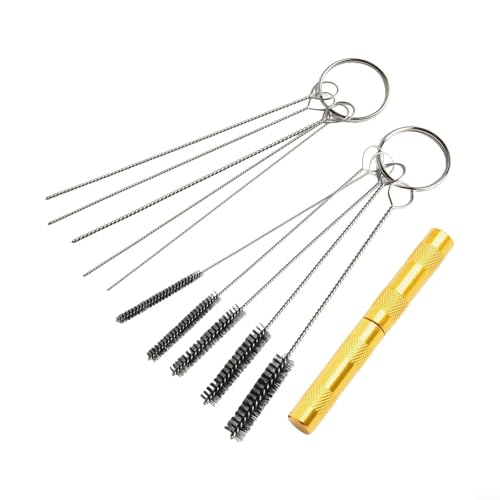
Windshield Washer Nozzle Cleaning Tool Kit with 5 Brush Sizes for Jet Adjustment and Clog Removal, Metal Needle Set to Clean Water Stains and Reposition Sprayers on
【 Cleaning Tool】This car windscreen jet nozzle washer is a tool suitable for cleaning and re-positioning of vehicle…
As an affiliate, we earn on qualifying purchases.
As an affiliate, we earn on qualifying purchases.

SG Store 10Pcs 50 Mesh Size Blue Spraying Nozzle Mesh Filters Top Hat Mesh Filters for KnapsackSprayer, PTO Sprayer, Line Marking Machines
1. High-quality materials: These 10Pcs 50 Mesh Size Blue Spraying Nozzle Mesh Filters are made from stainless steel…
As an affiliate, we earn on qualifying purchases.
As an affiliate, we earn on qualifying purchases.

Franz came aboard the Paint Sprayer Zone team with a background in both journalism and home renovation. His articulate writing style, combined with a passion for DIY projects, makes him an invaluable asset. Franz has a knack for breaking down technical jargon into easy-to-understand content, ensuring that even the most novice of readers can grasp the complexities of paint sprayers.