Using quick-connects and swivels helps you prevent hose twisting by allowing hoses to rotate freely and disconnect easily. These fittings reduce torsion, minimize wear, and keep the flow steady, extending your hose’s life. They make setup and disassembly faster while maintaining leak-free connections. Incorporating these components guarantees your system stays reliable and efficient. If you want to learn more about how these fittings protect your hoses, keep exploring the benefits they offer.
Key Takeaways
- Swivels allow hoses to rotate freely, preventing torsion and reducing twisting during operation.
- Quick-connects enable fast assembly/disassembly, minimizing hose handling and potential twist buildup.
- Using swivels and quick-connects maintains consistent flow and pressure by reducing hose kinks caused by twisting.
- Properly installed swivels absorb torsional forces, extending hose lifespan and decreasing wear from twisting.
- Combining quick-connects with swivels ensures secure, twist-free connections, improving system efficiency and reliability.
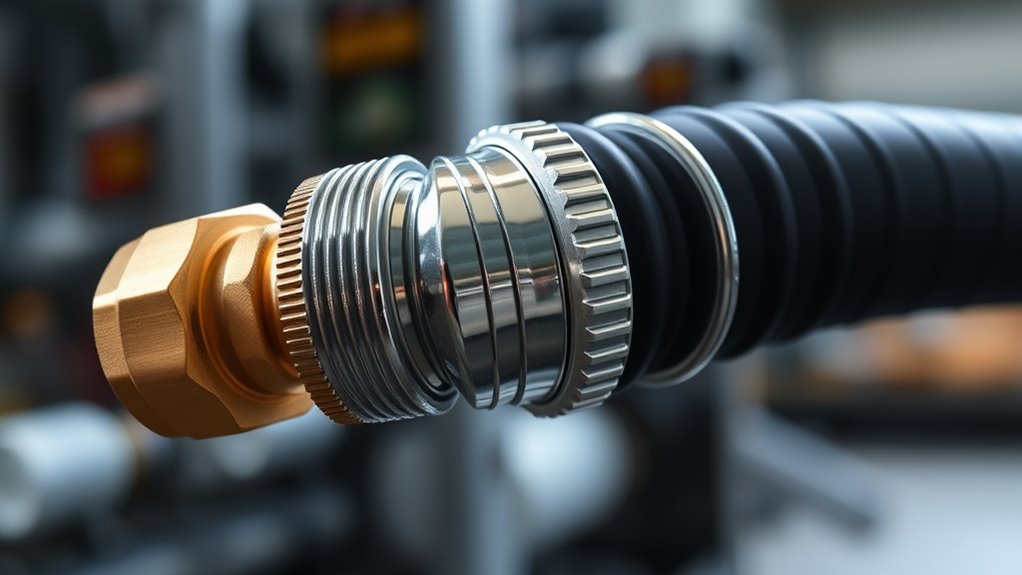
Have you ever struggled with connecting hoses or pipes quickly and securely? If so, you’re not alone. Many people find that traditional fittings can be cumbersome, especially when trying to set up or take down systems efficiently. Quick-connects and swivels are designed to solve these frustrations by making hose connections faster and more reliable. One of the key factors to consider when choosing these fittings is hose material, as it influences connection compatibility. Different hoses—whether rubber, PVC, or polyurethane—have unique properties that affect how well they fit with quick-connect fittings. Making certain that the connection matches the hose material is vital for creating a secure, leak-free seal. Some fittings are specifically designed for rubber hoses, which tend to be thicker and more flexible, while others work best with rigid plastics or lightweight polymers. When selecting fittings, always check the manufacturer’s specifications to confirm compatibility with your hose material. This step helps prevent issues like leaks, disconnections, or damage that can occur if the connection isn’t suitable. Once you’ve chosen the right fittings, you’ll notice how much easier setup and maintenance become. Quick-connects snap into place with minimal effort, saving you time during installation, and they make disconnection just as simple when you need to move or replace hoses. Swivels add another layer of convenience by allowing the hose to rotate freely without twisting or kinking, which can extend the life of your hose and improve flow efficiency. By reducing hose twist, swivels help maintain consistent pressure and prevent wear caused by torsion. This is especially important in applications involving long hoses or frequent movement. When installing quick-connects and swivels, pay attention to connection compatibility. Mismatched fittings can cause leaks or disconnections, which defeats the purpose of using these tools. Properly fitted connections also contribute to safety, preventing accidents caused by sudden disconnections under pressure. Additionally, investing in high-quality fittings made from durable materials ensures longevity and resistance to corrosion, especially in outdoor or harsh environments. Regular inspection of your fittings and hoses helps catch any signs of wear early, guaranteeing your system remains secure and functioning at its best. Furthermore, understanding the power consumption of your appliances can help you select more energy-efficient fittings and systems, ultimately saving on energy costs. Overall, quick-connects and swivels are invaluable for streamlining hose management, reducing downtime, and preventing damage caused by hose twist. By carefully selecting fittings based on hose material and connection compatibility, you create a more efficient, safe, and reliable system that saves you time and effort every step of the way.
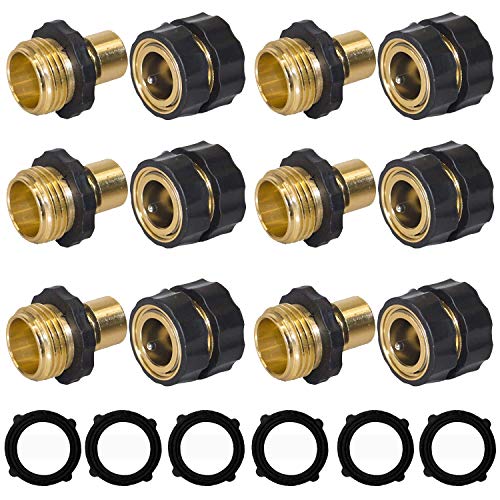
Hourleey Garden Hose Quick Connector, 3/4 Inch Male and Female Garden Hose Fitting Quick Connector, 6 Set
Package include: 6 female quick connectors and 6 male quick connectors, 6 extra garden hose rubber washers
As an affiliate, we earn on qualifying purchases.
As an affiliate, we earn on qualifying purchases.
Frequently Asked Questions
Are Quick-Connects Compatible With All Hose Types?
Quick-connects aren’t compatible with all hose types because fitting compatibility depends on the hose material and size. You need to check the specific fittings to make sure they match your hose’s diameter and material, like rubber or PVC. Using incompatible quick-connects can cause leaks or disconnections. Always verify the fitting compatibility before attaching, so you get a secure and effective connection tailored to your hose’s material and specifications.
How Do Swivels Impact Pressure Ratings?
Imagine a sturdy bridge supporting heavy traffic—that’s how swivels impact pressure ratings. They help prevent hose twist, but if made from less durable material, pressure loss can occur under high stress. High-quality swivels maintain pressure ratings by ensuring material durability, so your system stays efficient. Choosing the right swivel minimizes pressure loss, prolongs hose life, and keeps your operations running smoothly without compromising safety or performance.
Can Quick-Connects Be Reused Multiple Times?
Yes, you can reuse quick-connects multiple times, but their durability varies. If you handle them carefully, they can last through many cycles. Keep in mind, the quick connect durability impacts how often you can reuse them without leaks or failure. Swivels, in particular, have a longer lifespan if you regularly inspect and maintain them. Proper care guarantees both components stay functional, saving you money and reducing downtime.
What Maintenance Is Required for Swivels?
Think of your swivel as a well-tuned dancer; it needs regular care to perform smoothly. You should inspect the seals for wear and tear and keep the lubrication frequency consistent. Applying the right lubricant prevents friction and corrosion, ensuring your swivel moves effortlessly. Regular maintenance keeps your equipment in harmony, reducing downtime and extending its lifespan. So, check seals, lubricate as needed, and let your swivel dance gracefully.
Are There Size Variations for Different Hose Diameters?
Yes, there are size variations for different hose diameters, guaranteeing hose compatibility and size flexibility. You can find swivels and quick-connects designed to fit various hose sizes, which helps you customize your setup easily. When selecting these components, double-check the specific diameter of your hoses to ensure a proper fit. This way, you maintain peak performance and prevent leaks or damage, making your work more efficient.

Eden 20051 Adjustable 180° & 360° Metal Swivel Connector
Pivots and swivels in two directions to prevent kinking and twisting
As an affiliate, we earn on qualifying purchases.
As an affiliate, we earn on qualifying purchases.
Conclusion
By using quick-connects and swivels, you keep your hose flowing smoothly like a well-oiled machine. They’re your secret weapon against twists and tangles, turning a frustrating knot into a graceful dance. Think of them as the gentle tug that keeps your garden hose from a tangled mess, letting you focus on what truly matters—getting the job done effortlessly. With these simple tools, you’ll enjoy a seamless flow, making your watering routine feel like a breeze.
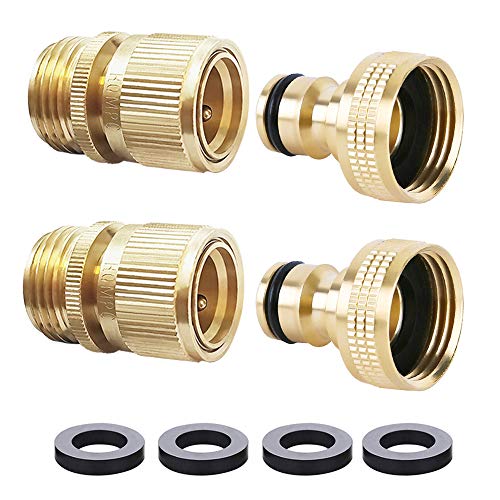
HQMPC Garden Hose Quick Connect Solid Brass Quick Connector Garden Hose Fitting Water Hose Connectors 3/4 inch GHT (2SETS)
★【Standard 3/4 Inch GHT Garden Hose Quick Connect】-This garden hose quick connect sets including 2 brass female connectors…
As an affiliate, we earn on qualifying purchases.
As an affiliate, we earn on qualifying purchases.

5 Set Garden Hose Repair Connector Kit with Clamps, Fit for 3/4" or 5/8" Garden Hose Fitting, Male and Female Hose Adapter, Water Hose Repair Kit
【Package Including】Fit for 3/4" or 5/8'' hose fittings, contains 5 female and 5 male hose repair connector with…
As an affiliate, we earn on qualifying purchases.
As an affiliate, we earn on qualifying purchases.

Franz came aboard the Paint Sprayer Zone team with a background in both journalism and home renovation. His articulate writing style, combined with a passion for DIY projects, makes him an invaluable asset. Franz has a knack for breaking down technical jargon into easy-to-understand content, ensuring that even the most novice of readers can grasp the complexities of paint sprayers.