
TL;DR

Get business pricing on tools and workshop supplies
- Business-only prices and quantity discounts
- Tax-exempt purchasing
- Multiple users, one account, clear invoices
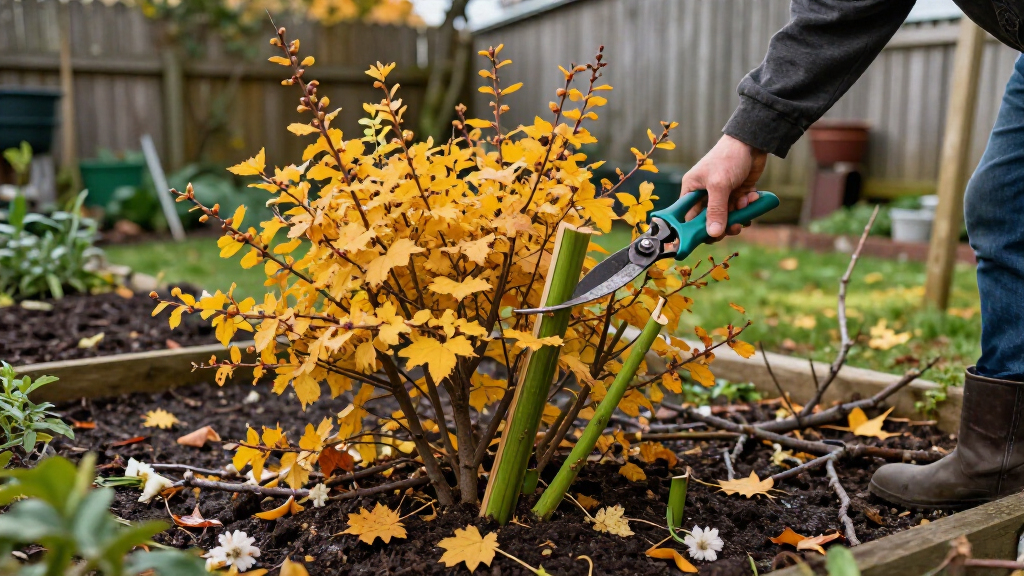
An Ideal Home report identifies buddleia, tall lavatera, climbing and rambling roses, some hydrangeas and lavender as shrubs that may need a light October tidy. Advice varies by plant: heavy pruning can remove next year’s hydrangea flowers, and lilacs, rhododendrons and forsythia should be left alone because their buds are already forming.
An Ideal Home report has outlined five shrubs that gardeners may tidy in October—buddleia, tall lavatera, climbing and rambling roses, some hydrangeas and lavender—while warning against hard pruning that could remove next year’s flower buds. The advice is mainly for light maintenance and reducing wind damage, not a blanket instruction to cut back every shrub.
For buddleia, horticultural expert Richard Barker recommends cutting tall, flexible branches back by about half to reduce the chance that wind will rock the plant’s roots. He advises keeping the shrub at least three to four feet tall and removing dead, diseased or broken branches back to healthy wood. The report says the plant is normally cut back more heavily in spring.
Tall lavatera can become leggy and vulnerable to winter winds. Gardening and greenhouse expert Lucie Bradley recommends a light autumn tidy for large, fast-growing varieties, cutting their height by about a third to a half. For climbing and rambling roses, British Garden Centres’ Julian Palphramand says October pruning should focus on tidying and reducing wind-rock: long shoots can be trimmed away from paths, gutters and windows, while the main pruning is left until later in winter. Dead or damaged wood can be removed, and vigorous new shoots tied to supports.
Hydrangeas need identification before pruning, according to Thompson & Morgan horticultural expert Lance Russell. Many types flower on old wood, so a hard cut in autumn may remove buds for next year. He recommends starting with dead, damaged or diseased growth and removing crossing or rubbing stems. Lavender can receive a light trim if needed, but Squire’s Garden Centres expert Will Williamson cautions against cutting into old, woody growth.
Protecting Next Season’s Flowers
The advice matters because October pruning can affect both winter damage and spring or summer flowering. Selective cuts can reduce exposed, whippy growth that moves in strong winds and remove unhealthy stems, but cutting too hard at the wrong time can sacrifice flowers already set for next year. The difference between a light tidy and a major reshaping is central to the recommendations.
The report also gives readers a reason to check plant type before reaching for pruning tools. In particular, hydrangea flowering habits vary; the source does not recommend hard autumn pruning across all varieties. A cautious approach can preserve buds while still allowing gardeners to remove damaged growth and improve airflow or shape.
Products Worth Considering

Shark AI Ultra Robot Vacuum with Self-Empty Base

LEVOIT Vital 200S-P Smart Air Purifier for Large Rooms

Bose TV Speaker (2nd Gen) Compact Soundbar with Bluetooth and HDMI Connectivity
As an affiliate, we earn on qualifying purchases.
Why October Pruning Is Selective
The report describes October as a useful time to remove old or damaged growth and inspect shrubs for pests or disease. But it distinguishes plants that can benefit from light attention from spring-flowering shrubs whose next season’s buds are already developing. It specifically says to avoid pruning lilacs, rhododendrons and forsythia at this time for that reason.
The recommendations are attributed to gardening professionals quoted by Ideal Home, including experts from LBS Horticulture, Harvst Automatic Watering, British Garden Centres, Thompson & Morgan and Squire’s Garden Centres. The source offers seasonal guidance rather than a universal pruning calendar; the plant’s variety, condition and local growing conditions can affect what is appropriate.
“Cut back tall, whippy branches by half, but avoid cutting back the plant lower than three to four feet.”
— Richard Barker, horticultural expert and commercial director at LBS Horticulture
Which Shrubs Need a Cut?
The report does not identify the specific variety of every shrub a reader may have, and it does not provide a single pruning method suitable for all climates or garden conditions. Hydrangea type is a particular unknown: the source warns that many flower on old wood but does not give detailed pruning instructions for every type.
It is also not possible from the article alone to determine whether an individual plant needs pruning in October. The advice is conditional—remove problematic growth and tidy where needed—rather than a requirement to prune all five shrubs. Gardeners should avoid assuming that the listed plants all need the same amount of cutting.
Check Plants Before Cutting
Gardeners can use October to inspect shrubs for dead, diseased, broken or crossing stems, then make only the light cuts appropriate to the plant. Before pruning a hydrangea, identify its type; for lavender, avoid cutting into old woody growth. Leave the main pruning of climbing and rambling roses until later in winter, as advised by Palphramand.
For shrubs not covered by the recommendations, including lilacs, rhododendrons and forsythia, the report advises waiting because next year’s buds are already forming. The article does not set a date for follow-up work beyond the seasonal guidance, so gardeners should reassess plants as winter approaches and follow advice specific to their variety.
Key Questions
Which five shrubs does the report say can be pruned or tidied in October?
The list is buddleia, tall lavatera, climbing and rambling roses, some hydrangeas, and lavender. The recommendations are mostly for light tidying, and the amount of pruning depends on the plant.
Should hydrangeas be cut back hard in October?
Not without identifying the type. The report says many hydrangeas flower on old wood, so hard autumn pruning can remove next year’s buds. Start by removing dead, damaged or diseased growth.
Which shrubs should be left unpruned in October?
The report advises against pruning lilacs, rhododendrons and forsythia in October because their buds for next year are already forming.
How much should buddleia be cut back in October?
Richard Barker recommends cutting tall, whippy branches by about half, while keeping the plant at least three to four feet tall. Dead, diseased or broken branches can be cut back to healthy wood.
Is October the time for the main pruning of climbing roses?
No. The report describes October work as tidying and reducing wind-rock. It says the main pruning should be left until later in winter.
Source: rss