When spraying garage doors, metal surfaces benefit from even, smooth finishes with minimal brush marks, making spray guns ideal for targeting detailed areas and ensuring consistent coverage. Wooden doors require a technique that highlights natural grain and prevents brush strokes, so spray painting offers a uniform coat that enhances the wood’s beauty. Understanding these differences helps you achieve a professional look—stick around to discover the key techniques tailored for each material.

Get business pricing on tools and workshop supplies
- Business-only prices and quantity discounts
- Tax-exempt purchasing
- Multiple users, one account, clear invoices
Key Takeaways
- Metal garage doors benefit from spraying due to smooth surfaces, ensuring even coverage and better adhesion.
- Wooden garage doors require spraying to highlight wood grain while achieving a uniform finish.
- Spray equipment like airless or HVLP sprayers are suitable for both metal and wood surfaces, but adjustments may vary.
- Surface preparation is crucial for both materials to ensure durability and professional results.
- Spraying minimizes brush marks and streaks, especially important for textured wood and reflective metal surfaces.

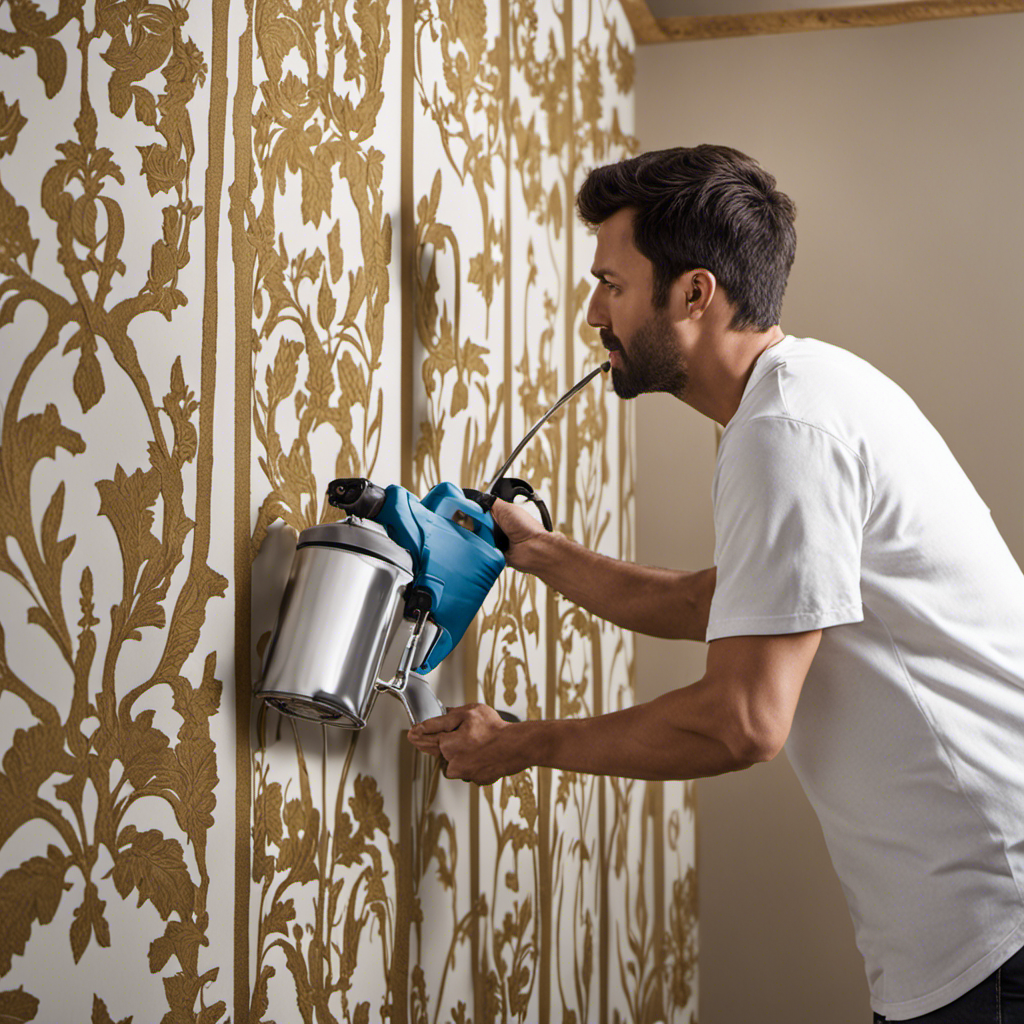
Have you ever considered spraying your garage doors instead of traditional brush or roller painting? If you’re looking for a sleek, professional finish, spraying can be a game-changer. One of the biggest advantages is the ability to achieve a smooth, even coat that enhances your garage door’s appearance. When it comes to color matching, spray equipment offers a level of precision that brushes and rollers can’t match. With the right spray tools, you can blend colors seamlessly, ensuring your garage door complements your home’s exterior perfectly. This process minimizes streaks and brush marks, giving you a flawless, factory-like finish. Plus, spray equipment allows you to cover large surfaces quickly, saving you time and effort, especially if you’re working on a sizable garage door.
Using spray equipment for garage door painting means you can better control the amount of paint applied, reducing waste and drips. This control helps you achieve a professional look without the need for multiple coats or touch-ups. Before you start, it’s crucial to prepare your garage door properly—cleaning the surface thoroughly and sanding any rough patches. Proper preparation ensures the spray paint adheres well and lasts longer. When selecting your spray equipment, consider an airless sprayer or a high-volume, low-pressure (HVLP) sprayer, which are both excellent for residential projects. These tools allow you to adjust pressure and spray patterns easily, giving you precision when working with different materials and surfaces.
For metal garage doors, spraying offers the benefit of reaching into recessed areas and intricate details that brushes often miss. Metal surfaces tend to be smooth, so a fine mist from spray equipment ensures an even coat without brush marks. For wooden garage doors, spraying highlights the natural grain while providing a consistent color coverage. Wood tends to absorb paint differently, but the fine mist from spray equipment helps maintain an even finish. Additionally, spraying reduces the risk of brush strokes or roller marks that can disrupt the visual appeal of wood grain.
airless paint sprayer for garage doors
As an affiliate, we earn on qualifying purchases.
As an affiliate, we earn on qualifying purchases.
Frequently Asked Questions
How Long Does Spray Painting Last on Garage Doors?
Spray paint on your garage door typically lasts 5 to 10 years, depending on factors like paint durability and weather resistance. If you choose high-quality, weather-resistant paint and properly prep the surface, your paint job can stay vibrant longer. Regular maintenance and touch-ups help extend its lifespan. Keep in mind that exposure to harsh weather conditions may cause the paint to fade or chip sooner, so choose your paint wisely for lasting results.
Can Spraying Damage the Garage Door’s Mechanism?
Sure, spraying can damage your garage door’s mechanism if you’re not careful. You might think a quick spray won’t hurt, but neglecting proper spray nozzle maintenance and ignoring ventilation requirements could lead to overspray seeping into the track or opener. Keep your tools in check, make certain of good airflow, and avoid spraying too close. Otherwise, you risk turning your sleek garage into a mechanical chaos, all for a shiny paint job.
What Safety Precautions Are Essential During Spraying?
You should wear protective gear like masks, goggles, and gloves to prevent inhaling fumes and skin contact. Make certain good ventilation by working outdoors or opening windows and doors to disperse fumes effectively. Keep a safe distance from the spray, and follow manufacturer instructions carefully. Taking these precautions helps protect your health and ensures a safer spraying process, minimizing risks of accidents or health issues.
Is Professional Spraying More Cost-Effective Than DIY?
Professional spraying is often more cost-effective than DIY because it avoids common DIY pitfalls like uneven coverage, drips, and wasted materials. When you hire experts, you benefit from their experience and proper equipment, ensuring a high-quality finish that lasts longer. Although it might seem pricier upfront, professional spraying saves you time, money, and frustration in the long run, making it a wise investment for a flawless garage door.
How to Choose the Right Paint for Metal or Wood Doors?
Choosing the right paint is your secret weapon to door perfection! For metal, pick a high-durability, rust-inhibiting paint that can withstand the elements like a superhero shield. For wood, opt for a flexible, weatherproof paint that fights peeling and cracking. Focus on surface preparation—clean, sand, and prime—because even the best paint will fall flat without a solid foundation. Your doors will thank you with a stunning, long-lasting finish!
Conclusion
So, whether you choose the sleek, durable metal or the warm, classic wood for your garage door, your decision isn’t just about looks—it’s about the future of your home’s curb appeal. As you prepare to spray, consider what truly matters: longevity, style, or perhaps something more. Whichever route you take, one thing’s certain—your next move could transform your entire home’s character, but only if you choose wisely. Are you ready to make that leap?
Halloween Picks
halloween
As an affiliate, we earn on qualifying purchases.