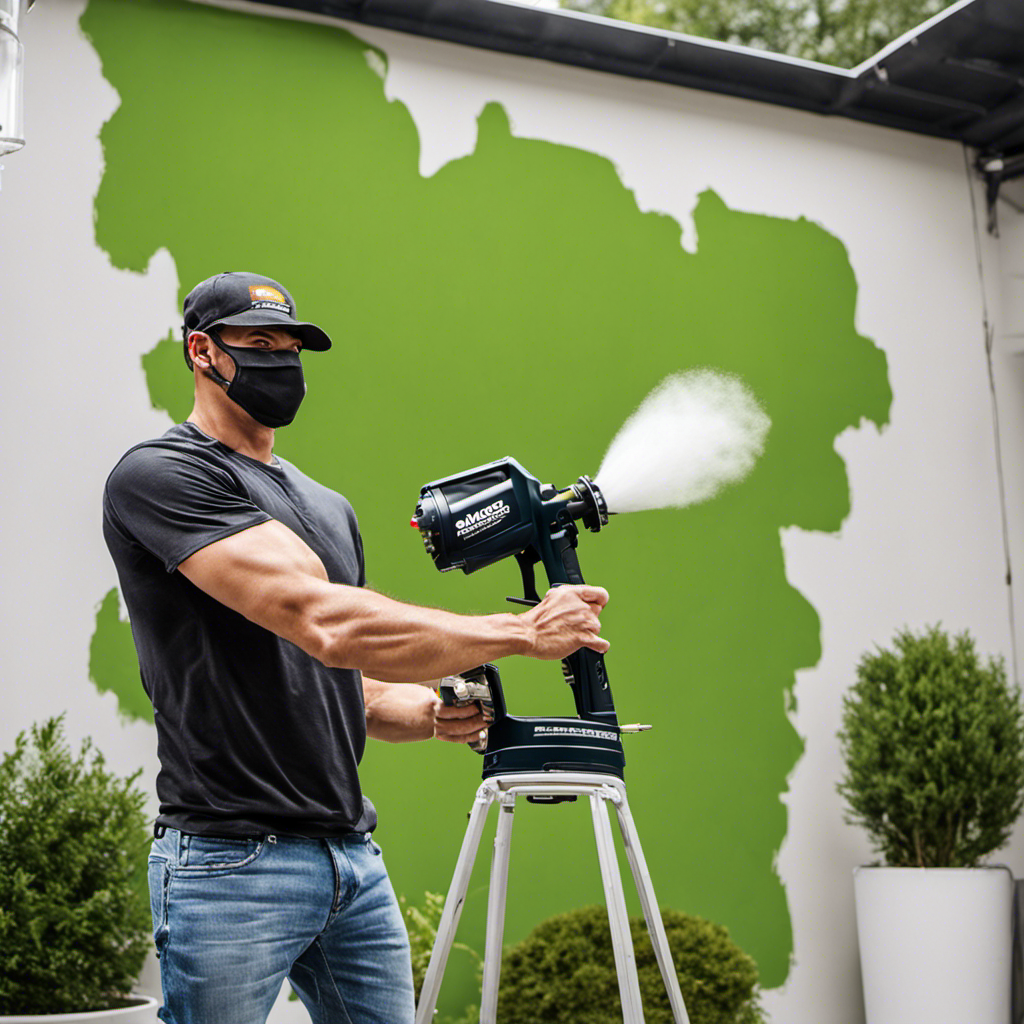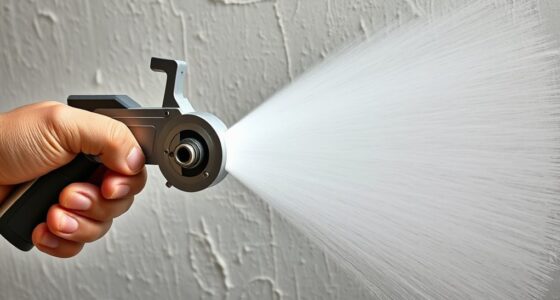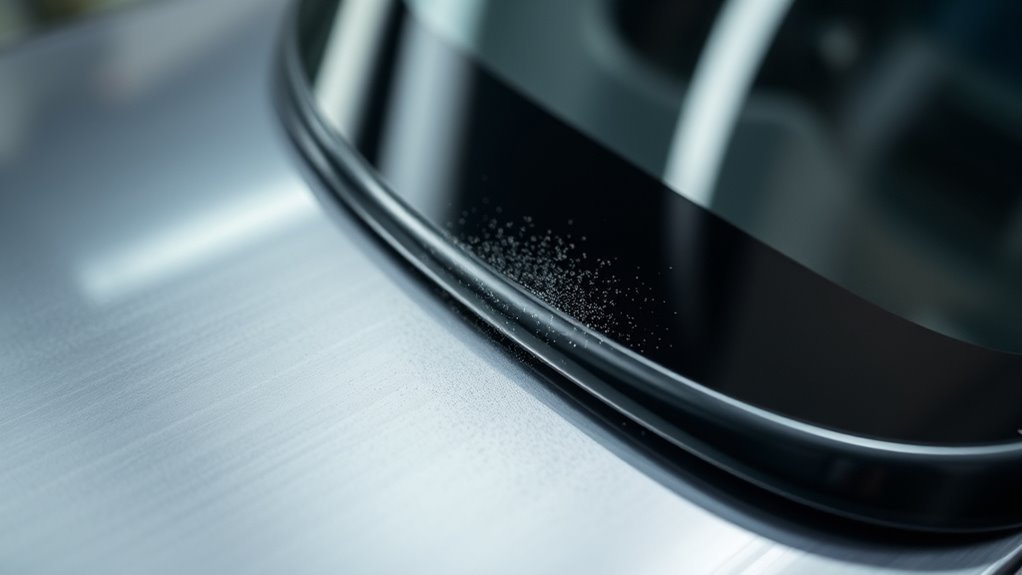

To control edges effectively, choose spray shields and guards made from durable, chemical-resistant materials like polycarbonate or rubber. Secure them firmly using manufacturer-recommended fasteners, ensuring a tight fit around edges to prevent leaks or splashes. Proper installation, combined with regular maintenance and inspection, helps maintain safety during operations. By understanding the right materials and techniques, you’ll optimize edge control and keep hazards in check—learn more about advanced strategies to improve your setup.
Key Takeaways
- Proper edge control involves sealing and contouring shields to prevent leaks and splashes during spraying.
- Use compatible fasteners and adhesives to securely attach guards around edges for reliable containment.
- Selecting flexible, chemical-resistant materials enhances edge sealing and durability in demanding environments.
- Custom trimming or shaping shields ensures a tight fit, reducing gaps and improving edge control.
- Regular inspection and maintenance of edges prevent damage, ensuring ongoing safety and effective spray containment.

Spray shields and guards are essential safety components designed to protect operators from hazardous splashes, debris, and liquids during various industrial and automotive tasks. When selecting the right spray shield or guard, your focus should be on proper material selection. The durability, flexibility, and resistance properties of the material directly influence the effectiveness and longevity of the safety equipment. For environments where chemical exposure is common, you’ll want shields made from chemical-resistant plastics or rubber compounds. If impact resistance is a priority, consider shields constructed from high-strength polycarbonate or ABS plastics. Lightweight materials like polyethylene can also be advantageous for ease of handling during extended use, but they must still meet safety standards for your specific application. Your choice of material should balance protection needs with ease of installation and maintenance, ensuring that the shield can withstand the rigors of daily use without compromising safety.
Once you’ve selected suitable materials, application techniques become critical in ensuring the shields perform as intended. Proper installation involves securing the guard firmly to prevent any unintended movement or detachment during operation. Use the recommended fasteners, clips, or adhesives specified by the manufacturer, as improper attachment can compromise the shield’s protective function. When applying spray shields, it’s essential to ensure a tight fit around the edges to prevent splashes or debris from escaping through gaps. This may involve custom trimming or adjusting the shield to match the contours of your equipment or workspace. For more complex setups, you might need to employ specific techniques such as layering or reinforcement to enhance durability. Regular inspection and maintenance are also key; over time, shields can develop cracks or loosen, reducing their effectiveness. Replacing worn or damaged shields promptly maintains a safe working environment. Additionally, understanding material properties helps ensure that the shields chosen will perform reliably under operational conditions.
In addition, understanding application techniques allows you to optimize the protective qualities of spray shields and guards. For instance, positioning a shield at the correct angle can help deflect splashes efficiently, while ensuring the edges are sealed properly prevents leaks. Proper application also includes considering environmental factors like exposure to UV light, heat, or chemicals, which can degrade materials over time. Applying protective coatings or choosing UV-resistant materials can extend the lifespan of your shields. Ultimately, your goal is to integrate material selection and application techniques seamlessly, creating a barrier that reliably guards against hazards while remaining practical and easy to maintain. Mastering these aspects ensures you provide a safer workspace, protecting yourself and your colleagues from potential injuries caused by splashes, debris, or liquids during demanding tasks.
Frequently Asked Questions
What Materials Are Best for Spray Shield Durability?
You should choose spray shield materials with high resistance to material resistance and wear prevention. Durable options like polycarbonate or polyethylene are excellent because they handle impacts and abrasions well, extending their lifespan. Avoid softer plastics that wear quickly. With the right tough, impact-resistant material, your spray shield will stay effective longer, reducing replacements and maintenance while ensuring better control over spray edges.
Can Spray Shields Be Customized for Specific Tools?
Did you know that 65% of painters customize spray shields for better protection? Yes, you can definitely customize spray shields for specific tools. You just need to ensure tool compatibility and explore various customization options like adjustable edges or tailored shapes. This ensures a perfect fit, improves efficiency, and minimizes overspray. Customizing your spray shield means you get tailored protection, making your work safer and more precise every time.
How Do I Clean and Maintain Spray Guards Effectively?
To clean and maintain spray guards effectively, you should use appropriate cleaning methods like gentle scrubbing with soap and water or using a mild solvent for stubborn residues. Regular maintenance tips include checking for damage, ensuring proper attachment, and storing them in a dry place. Avoid harsh chemicals that can degrade the material. Keeping spray guards clean not only prolongs their lifespan but also guarantees peak protection during use.
Are Spray Shields Suitable for All Types of Spraying Equipment?
Did you know that over 75% of spraying accidents involve improper equipment use? Spray shields are generally suitable for most spraying equipment, offering great application versatility. However, you should consider compatibility concerns, as not all shields fit every sprayer type. Always check manufacturer guidelines to make sure the shield matches your equipment, preventing leaks or ineffective coverage. Proper fit and compatibility maximize safety and efficiency during your spraying tasks.
What Safety Precautions Should I Take When Installing Spray Guards?
When installing spray guards, you should wear proper personal protective equipment, including gloves and goggles, to prevent injuries. Make certain your workspace is well-ventilated to avoid inhaling fumes or overspray. Turn off equipment before installation to avoid accidents, and follow manufacturer instructions carefully. Keep the area clear of obstructions and clean up any spills immediately. Proper safety precautions help you install spray guards safely and effectively.
Conclusion
By now, you see how spray shields and guards are essential tools for controlling edges and keeping your work clean. They’re your first line of defense against mess and hazards, helping you work smarter, not harder. Don’t forget, a stitch in time saves nine—investing in these guards now saves you headaches later. Keep safety and precision at the forefront, and you’ll always stay one step ahead in your projects.

Franz came aboard the Paint Sprayer Zone team with a background in both journalism and home renovation. His articulate writing style, combined with a passion for DIY projects, makes him an invaluable asset. Franz has a knack for breaking down technical jargon into easy-to-understand content, ensuring that even the most novice of readers can grasp the complexities of paint sprayers.