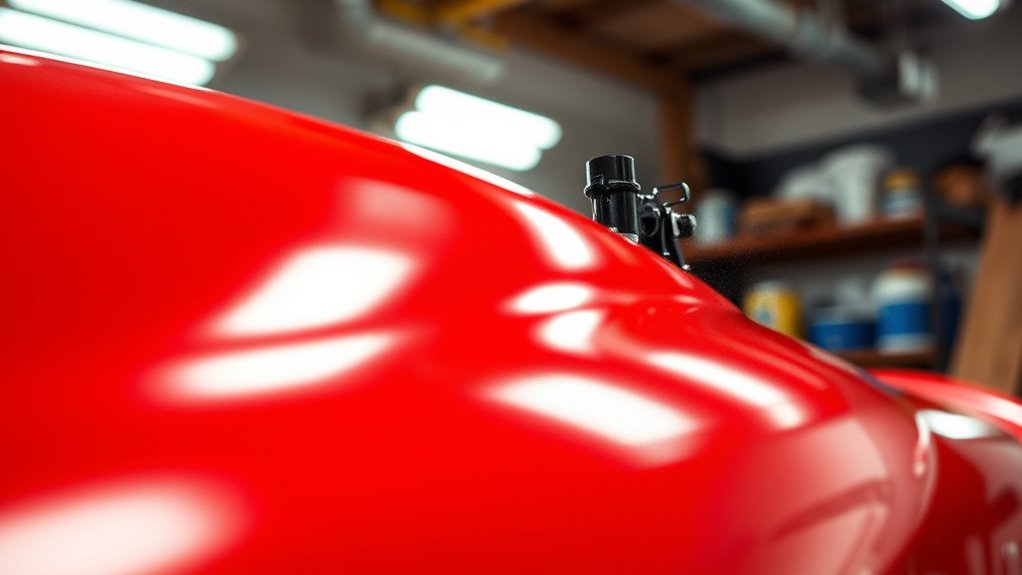

Yes, you can paint a car with a home paint sprayer, but it requires the right equipment, thorough preparation, and good technique. Choosing the appropriate spray gun—like HVLP or LVLP—helps achieve a professional finish with less overspray. You’ll need to properly clean and prime the surface, mix the paint correctly, and maintain a steady motion and distance during application. If you want to learn more about achieving the best results and avoiding common pitfalls, keep exploring how to succeed with car painting at home.

Get business pricing on tools and workshop supplies
- Business-only prices and quantity discounts
- Tax-exempt purchasing
- Multiple users, one account, clear invoices
Key Takeaways
- Yes, you can paint a car with a suitable home paint sprayer, but professional-grade equipment yields better results.
- HVLP or LVLP sprayers are recommended for automotive painting due to reduced overspray and better control.
- Proper surface preparation, paint mixing, and spraying technique are essential for a smooth, durable finish.
- Multiple thin coats with adequate drying time produce a professional-looking result, even with a home sprayer.
- For best results, consider renting or using a dedicated automotive spray gun rather than basic home models.
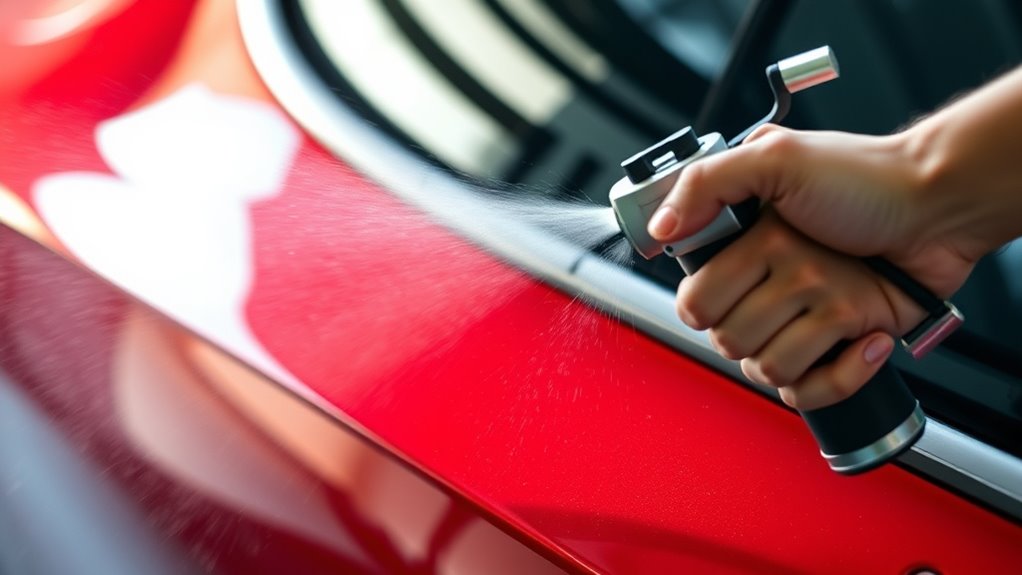
Painting a car with a home paint sprayer can be a cost-effective way to give your vehicle a fresh, professional look. Before diving in, it’s essential to understand the different spray gun types available and how they influence the quality of your finish. There are primarily three types: HVLP (High Volume Low Pressure), LVLP (Low Volume Low Pressure), and conventional spray guns. HVLP guns are popular among DIYers because they produce less overspray and offer more control, making them suitable for detailed work and smaller areas. LVLP guns are similar but operate at even lower air pressures, reducing paint waste further. Conventional spray guns, while capable of delivering a thicker coat, tend to produce more overspray and require more experience to use effectively. Choosing the right spray gun type depends on your skill level, the size of the project, and the desired quality of the finish.
Equally important is mastering proper paint mixing techniques. The key to a smooth, even application starts with well-mixed paint. You should always follow the manufacturer’s instructions for thinning and mixing. Typically, automotive paints require specific reducers or hardeners, which help achieve the right viscosity and durability. Use a clean container and a stir stick to blend the paint thoroughly, ensuring no lumps or separation. Straining the mixture through a fine mesh filter is a good step to catch any debris that could clog your spray gun or mar the finish. Proper mixing guarantees the paint flows smoothly through your spray gun, reducing sputters, drips, and uneven coverage. Additionally, considering the filtration systems available can further improve your results by preventing debris from contaminating the paint. Once your paint is mixed correctly, adjust your spray gun settings carefully. Start with a lower pressure and gradually increase until you get a consistent spray pattern. Keep your gun at the right distance from the surface—usually about 6 to 12 inches—to avoid runs or dry spots. Moving the spray gun evenly and at a steady pace helps achieve an even coat. Practice on a scrap piece before tackling your car to fine-tune your technique. Remember, patience and consistency are key. Applying multiple thin coats rather than one thick layer results in a more professional, durable finish. Don’t rush the process; let each coat dry properly before applying the next.
As an affiliate, we earn on qualifying purchases.
Frequently Asked Questions
What Types of Paint Are Suitable for Car Painting With a Home Sprayer?
When choosing paint for your car with a home sprayer, you should opt for automotive-grade paints like urethane or acrylic enamel. Make sure to practice proper brush techniques during prep and use smooth, even strokes. Proper paint mixing is essential for a flawless finish, so follow the manufacturer’s instructions carefully. Using the right paint and techniques helps achieve professional results, even with a home sprayer.
How Long Does It Take to Complete a Full Car Paint Job at Home?
It typically takes you about 2 to 4 days to complete a full car paint job at home. You’ll need time for prep, multiple coats, drying, and curing. During this process, spray gun maintenance is vital to guarantee smooth application, and proper paint mixing techniques prevent runs or uneven coverage. Rushing can cause imperfections, so plan for breaks and patience to achieve a professional-looking finish.
Can a Home Paint Sprayer Achieve a Professional-Quality Finish?
A home paint sprayer can produce a professional-quality finish if you follow DIY tips and use the right equipment. You should compare equipment carefully, choosing one with adjustable settings and a fine spray pattern. Keep the surface well-prepped, practice your technique, and work in a dust-free environment. While it’s possible, achieving a flawless result requires patience, proper technique, and quality tools, just like with professional-grade equipment.
What Safety Precautions Should Be Taken When Spray Painting a Car at Home?
You might worry about safety, but with proper precautions, you can paint safely at home. Always wear personal protective equipment like masks, gloves, and goggles to shield yourself from fumes and chemicals. Make sure good ventilation and airflow in your workspace to disperse fumes effectively. Taking these steps keeps you safe, helps achieve a better finish, and makes your DIY project more enjoyable and less risky.
How Do I Prepare My Car’s Surface Before Painting With a Home Sprayer?
To prepare your car’s surface for painting with a home sprayer, start by thoroughly cleaning it to remove dirt, grease, and rust. Then, sand the surface smoothly and apply a quality paint primer to guarantee proper adhesion. Make sure to mask off areas you don’t want painted, and work in a well-ventilated space. Proper preparation guarantees a sleek, professional finish when you paint your car at home.
Conclusion
While a home paint sprayer might seem perfect for your car, remember it’s not designed for automotive finishes. Think of it like trying to paint a masterpiece with a child’s crayon—your results may be rough and uneven. But with the right tools and techniques, you can achieve a professional look. So, don’t settle for a rough finish; instead, invest in the proper equipment and give your car the flawless paint job it deserves.
Halloween Picks
halloween
As an affiliate, we earn on qualifying purchases.