TL;DR

Get business pricing on tools and workshop supplies
- Business-only prices and quantity discounts
- Tax-exempt purchasing
- Multiple users, one account, clear invoices
Ideal Home’s hosting-season cleaning report points to kitchen cabinet doors and handles as areas that can collect visible dust, grease and fingerprints. Cleaning expert Catherine Green recommends dusting first, using a barely damp cloth with warm soapy water, and drying promptly; the advice is not based on a survey measuring what guests notice most.
Kitchen cabinet doors and handles are the area Ideal Home’s hosting-season cleaning guide says homeowners can overlook before visitors arrive. The report, citing Catherine Green, a sustainable cleaning expert at smol, recommends a short cleaning routine to remove dust, fingerprints and grease without saturating or damaging cabinet surfaces.
Green told Ideal Home that cabinet fronts can be conspicuous because they catch the light and sit within visitors’ line of sight, while handles commonly collect sticky fingerprints and grease. That is expert advice in a home-cleaning article, rather than the result of a guest survey or research study showing that cabinets are the area visitors notice most.
The suggested routine starts with a dry microfibre cloth to lift loose dust and debris. Green advises wiping gently so grit is not dragged across the surface. The guide also suggests dusting the tops of cabinets, where dust can settle, though it does not say this step is part of the five-minute estimate.
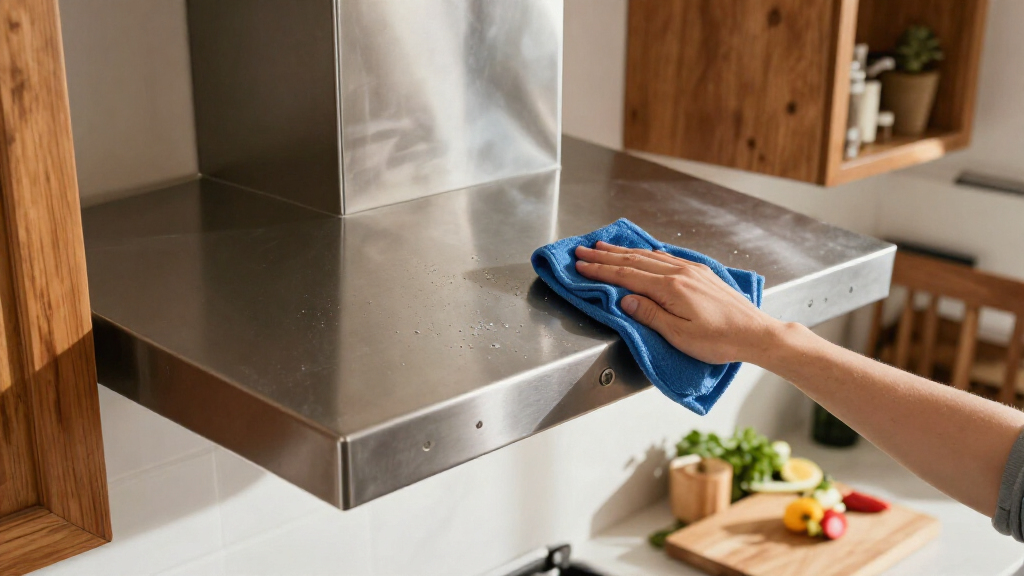
For the cabinet fronts, the report recommends mixing washing-up liquid with warm water and using a cloth that has been wrung out until barely damp. Wipe gently, paying particular attention to handles and edges, and use a soft-bristled brush for crevices. Green advises against soaking cabinet doors or letting water collect around joins, especially on painted wood, veneer or MDF.
For glass-fronted cabinets, the article recommends using a glass cleaner or suitable multi-purpose spray on a lint-free cloth, rather than spraying the cabinet directly. Greasy patches near the hob can be treated by letting the warm soapy cloth sit briefly before wiping; Green cautions against scrubbing harder or reaching immediately for harsh degreasers. The final step is to buff the surface dry with a clean cloth to reduce water marks and streaks.
Cabinet Fronts Shape Kitchen First Impressions
The advice focuses on a visible part of the kitchen that can be missed when cleaning worktops and sinks. Fingerprints and grease around handles may be easy to see in bright light, and a quick wipe-down can help hosts freshen the room without buying specialist products, according to the guide.
There is also a practical care point: cabinet finishes can be vulnerable to excess moisture and abrasive cleaning. Using a barely damp cloth, gentle motions and prompt drying is intended to clean the surface while limiting the risk of water marks or damage. Readers should follow the manufacturer’s care instructions, since the article does not establish that one method suits every cabinet material or finish.
Products Worth Considering

Dyson W1 PencilWash Cordless Wet and Dry Floor Cleaner with Dock

Dyson V8 Cyclone Cordless Vacuum

Shark HydroVac MessMaster Corded Wet Dry Vacuum and Mop (WD161)
As an affiliate, we earn on qualifying purchases.
A Quick Routine for Hosting Season
Ideal Home frames the advice around the extra attention kitchens may receive when friends and family visit. Its article notes that people move through the kitchen during a gathering, while homeowners who use the room every day may stop noticing small areas of grime. The report singles out cabinet fronts and handles as targets for that overlooked buildup.
The recommendations are attributed to Green and centre on everyday supplies: a cloth, warm water and washing-up liquid. The article lists branded cloths, washing-up liquid and cleaning brushes as product examples, but the cleaning instructions do not require those particular brands. It also suggests a separate cleaner for glass-fronted cupboards and a brush for tight spaces.
The article’s five-minute framing is a quick-refresh suggestion, not a measured guarantee. Cleaning time will vary with the number of cabinets, the material and how much grease or dirt has accumulated. The source says a second pass may be useful if the cabinets have not been cleaned for some time.
“Wring out your wet cloth until it is barely damp.”
— Catherine Green, as quoted by Ideal Home
What the Cleaning Advice Does Not Measure
The source does not provide a survey, testing data or other evidence establishing that kitchen cabinets are the area guests notice most. Its central point is an expert’s practical observation about light, sightlines and fingerprints. The article also does not specify a publication date, quantify how long the routine takes in different kitchens, or test the method across every cabinet finish.
Although Green advises caution with painted wood, veneer and MDF, the guide does not cover every material, coating or manufacturer’s care requirements. Readers with delicate, damaged or unfamiliar finishes may need to check product guidance or test a small, inconspicuous area first. The report does not claim that cleaning cabinets alone will prevent guests from noticing other areas of a kitchen.
Check the Finish Before Wiping
For anyone following the guide before hosting, the practical next step is to check the cabinet maker’s care instructions, then remove loose dust before using a barely damp cloth. Dry the surface promptly and avoid letting water sit around seams. A small test on an inconspicuous spot can help identify whether a cleaner affects the finish.
The Ideal Home article does not announce a follow-up study or scheduled next development. Its advice is a household cleaning recommendation; readers can repeat the process if grime remains, while using a suitable product and method for their own cabinet materials.
Key Questions
Which kitchen area does the report say can be overlooked?
It points to cabinet doors and handles, where dust, fingerprints and grease can accumulate.
What does the guide recommend for ordinary cabinet fronts?
First remove loose dust with a dry cloth. Then wipe gently with a barely damp cloth and warm soapy water, and dry the surface promptly.
Can I use the same method on every cabinet?
The article warns against saturating painted wood, veneer and MDF, but does not cover every finish. Check the manufacturer’s care guidance and test an inconspicuous area if you are unsure.
How should greasy patches near the hob be cleaned?
Green recommends going over the area with a warm soapy cloth and giving the washing-up liquid a short time to loosen the grease. She advises against scrubbing harder or using harsh degreasers, which may damage some finishes.
Is there evidence that guests notice cabinets more than other kitchen areas?
The report offers Green’s observation about visibility and fingerprints, but cites no survey or research comparing what guests notice with other kitchen areas.
Source: idealhome.co.uk