
A paint sprayer can transform the way you tackle home improvements, furniture makeovers, crafts, and woodworking projects. Instead of applying finish one brushstroke at a time, spraying distributes material as a fine pattern across the surface. This can make large jobs more efficient and help create a smooth, consistent appearance on detailed or irregular objects.

Get business pricing on tools and workshop supplies
- Business-only prices and quantity discounts
- Tax-exempt purchasing
- Multiple users, one account, clear invoices
Yet “paint sprayer” describes several distinct tool categories. An airless machine intended for walls and fences works very differently from a small detail gun used on models or decorative pieces. Choosing well means matching the spraying system, material, surface, workspace, and desired finish—not simply buying the most powerful option available.
This guide explains the essential choices, preparation steps, spraying techniques, and safety practices. It also directs you to specialized guides when you are ready to compare tools for a particular kind of project.
Start With the Project, Not the Sprayer
The best starting point is the work you expect to do most often. Consider the size and shape of the surface, the type of coating, how frequently you will spray, and whether the work will happen indoors or outside. A tool suited to broad exterior surfaces may waste material on small furniture parts, while a compact craft sprayer may take too long to cover a room.
Walls, ceilings, siding, and fences
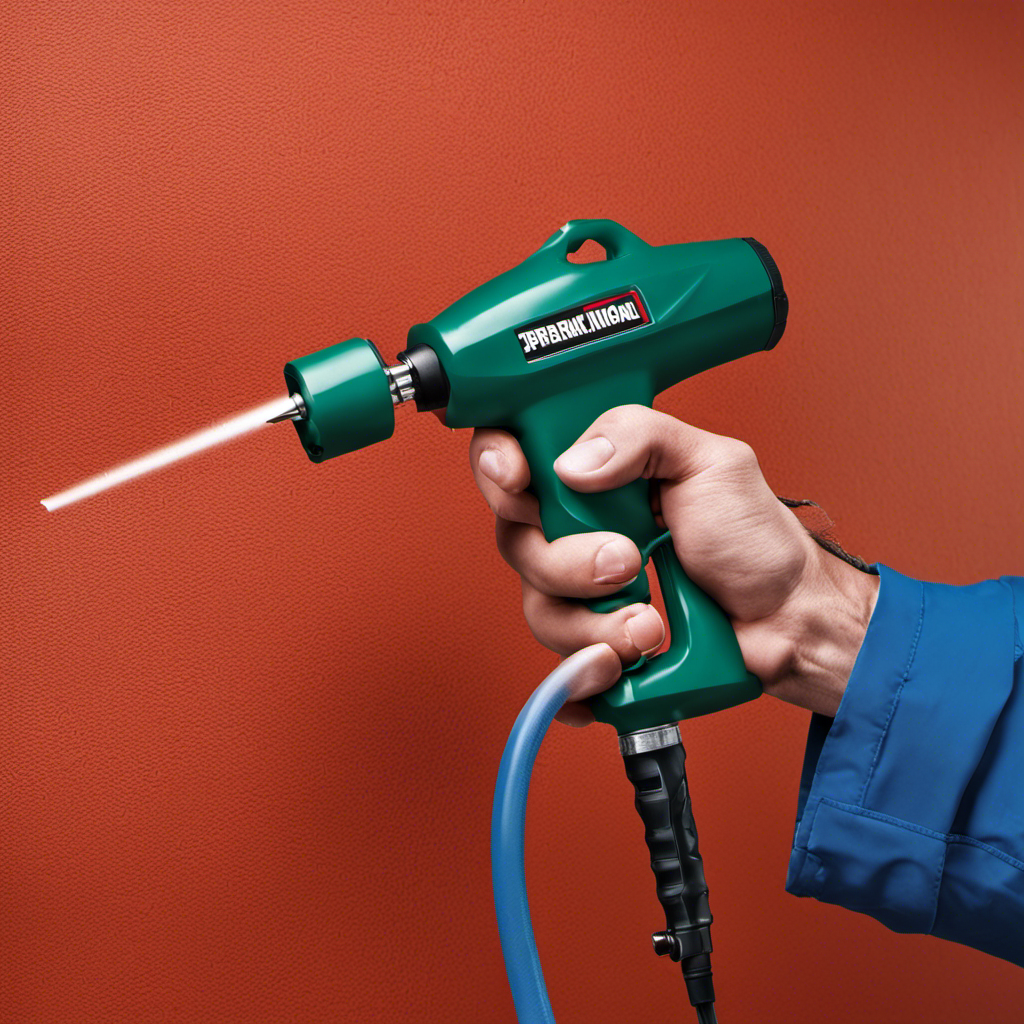
Large surfaces usually reward coverage speed and a steady material supply. Airless systems are commonly associated with these jobs because they pump coating at high pressure without using compressed air. They can handle substantial projects, but their output demands careful masking, tip selection, and trigger control.
Homeowners planning room renovations or exterior maintenance can explore the best airless paint sprayers for home use. Focus on the scale of your typical project, supported coating types, hose arrangement, cleaning process, and access to replacement tips or filters.
Furniture and cabinetry
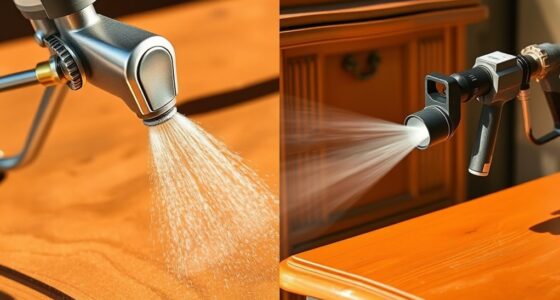
Furniture refinishing involves a different balance. Tabletops need an even finish, but legs, spindles, corners, and carved details require controlled application. The coating might be paint, primer, clear finish, or another material whose viscosity and application requirements affect gun setup.
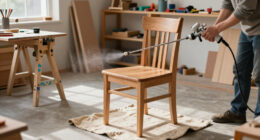
For tools aimed at this work, see the guide to choosing a spray gun for furniture refinishing. Before selecting one, think about the largest pieces you will spray, the level of detail involved, your available workspace, and whether you already own a suitable compressor.
Crafts, models, and decorative work
Craft projects favor precision over raw output. Small signs, ornaments, frames, props, models, and decorative objects can be overwhelmed by a broad or heavy spray pattern. A compact system with manageable material flow is often easier to use around edges, contours, and multiple colors.
The roundup of paint sprayers for crafts provides a more focused path for creative projects. If your work includes narrow lines, tight recesses, or small components, also consult the guide to paint sprayers for detailed work.
best airless paint sprayer for walls
As an affiliate, we earn on qualifying purchases.
As an affiliate, we earn on qualifying purchases.
Understand the Main Paint Sprayer Types
Airless sprayers
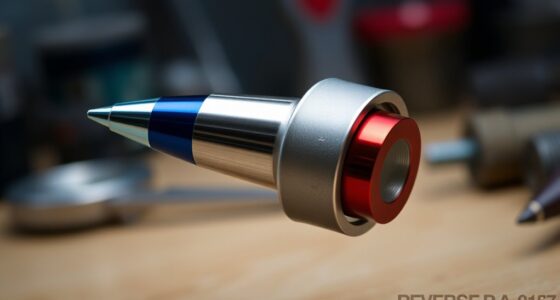
An airless sprayer pressurizes coating and forces it through a small tip. The tip helps determine the width and output of the spray pattern. These systems are frequently considered for walls, ceilings, decks, fences, and siding because they can cover large areas efficiently.
Their speed comes with responsibilities. Overspray can travel beyond the target, high output can create runs quickly, and injected fluid can cause severe injury. Never place a hand near the tip, never test the stream against skin, and follow the manufacturer’s pressure-release procedure before cleaning or changing components.
HVLP and turbine systems
High-volume, low-pressure spraying uses a substantial volume of air at relatively low pressure to atomize the coating. HVLP equipment is often associated with furniture, trim, cabinets, doors, and other projects where transfer control and finish quality are important.
Some HVLP tools are self-contained or turbine-driven, while others rely on a separate compressor. That distinction affects portability, airflow, noise, setup, and the amount of equipment required. Material compatibility matters as well: some coatings need thinning when permitted by their manufacturer, while others require a different needle, nozzle, or spray system.
Pneumatic spray guns
Pneumatic guns use compressed air supplied by a compressor. They can provide extensive adjustment, but the gun is only one part of the system. Compressor airflow, pressure regulation, hose size, moisture control, filtration, and fittings can all influence performance.
If you already have compressed-air equipment or want to build a dedicated finishing setup, review the best pneumatic paint sprayers for flawless finishes. Confirm the gun’s air requirements against the compressor’s sustained output rather than relying only on tank size.
Handheld and portable sprayers
Portable sprayers appeal to people who work in several locations or want a tool that is easier to store and set up. They can be practical for doors, accent walls, furniture, fences, and other small-to-medium jobs, depending on the model and coating.
Portability always involves tradeoffs. A smaller paint container may need frequent refilling, added material can make a handheld unit tiring, and compact components still require thorough cleaning. The guide to portable paint sprayers for painting projects can help you compare this category around the work you actually plan to perform.
Match the Coating to the Equipment
A sprayer must be compatible with the material passing through it. Paints, primers, stains, sealers, and clear finishes differ in viscosity, solids content, solvents, and recommended application methods. Read both the coating label and the sprayer manual before filling the cup or intake container.
Do not assume every coating should be thinned. Use only a thinner permitted by the coating manufacturer, and remain within its stated ratios. Excessive thinning can alter coverage, color, curing, and durability. If a material is too heavy for the equipment, the better answer may be a larger fluid setup or a different sprayer.
Straining compatible coating can help keep dried fragments or debris away from small fluid passages. Stir gently and avoid introducing unnecessary bubbles. When switching between incompatible materials, follow the correct cleaning process rather than relying on a quick rinse.
Prepare the Surface and Workspace
A sprayed finish will not conceal poor preparation. Clean the surface, address grease and contamination, repair defects, and sand when the coating system requires it. Remove dust before spraying. Bare wood, repaired areas, glossy finishes, and previously coated surfaces may need different preparation or primers.
Mask farther beyond the project than you initially think necessary. Cover floors, hardware, windows, nearby furniture, vehicles, plants, and anything else that could receive airborne droplets. Outdoors, watch wind direction and avoid spraying when conditions could carry coating onto neighboring property. Indoors, isolate the work area without blocking ventilation that is required for safe use.
Small-part finishing benefits from a controlled enclosure that captures overspray and helps keep the surrounding area cleaner. The guide to hobby spray booths for finishing projects explains options designed around craft and detail work. A booth is not automatically suitable for every finish, especially flammable or solvent-based materials, so its filtration, airflow, electrical design, and material restrictions must be checked carefully.
Use a Test Pattern Before Every Project
Practice on cardboard or scrap material before approaching the finished piece. A test pattern reveals whether the fan is even, the coating atomizes properly, and the fluid output matches your pace. It also gives you a safe place to coordinate movement and trigger timing.
Hold the gun at the distance recommended for that sprayer and keep it perpendicular to the surface. Swinging the gun in an arc places more material in the center and less at the edges. Move your whole arm so the nozzle remains consistently aligned with the work.
Begin moving before pulling the trigger and release the trigger before stopping at the end of the pass. Overlap adjacent passes consistently, using the pattern itself as your guide. Several controlled coats are generally easier to manage than one heavy application, but recoat timing must follow the coating manufacturer’s instructions.
Control Common Finish Problems
Runs and sags
Runs usually indicate that too much wet material reached one area. Possible contributors include moving too slowly, holding the gun too close, using excessive fluid output, or repeatedly crossing an edge. Correct the setup on scrap rather than trying to compensate through increasingly fast, erratic movement.
Dry or rough texture
A dry-looking finish can occur when droplets partially dry before reaching the surface or fail to flow together. Distance, speed, airflow, environmental conditions, and material setup can all contribute. Avoid changing multiple controls at once; make one adjustment, spray another test pattern, and compare the result.
Uneven fan patterns
A distorted or heavier-sided pattern may point to a dirty air cap, blocked tip, damaged component, or unsuitable adjustment. Depressurize or disconnect the equipment as directed before inspection. Clean openings with approved tools rather than metal objects that could alter their shape.
Clogs and interrupted flow
Clogs can come from debris, dried coating, unsuitable viscosity, blocked filters, or an incorrect fluid setup. Strain material when appropriate and keep containers covered. Never attempt to clear an airless tip while the system is pressurized.
Treat Respiratory and Fire Safety as Core Equipment
Paint mist can be hazardous even when the color or odor seems mild. Ventilation and respiratory protection are separate controls: moving air does not guarantee that exposure is acceptable, and a respirator does not make an unsuitable workspace safe.
Select respiratory protection according to the coating’s safety data sheet, the type of airborne hazard, and the respirator manufacturer’s instructions. Particulate filters and cartridges intended for gases or vapors perform different jobs. Facial hair, poor fit, expired cartridges, incorrect storage, or damaged components can prevent a respirator from protecting as intended.
Use the guide to paint respirator masks for safer painting as an introduction, then verify the exact requirements for your coating and work environment. Wear appropriate eye protection, gloves, and protective clothing as directed.
Keep ignition sources away from flammable coatings and vapors. Pilot lights, switches, motors, heaters, sparks, and static discharge may present risks. Do not improvise ventilation equipment for hazardous vapors; follow the coating label, safety data sheet, sprayer instructions, and applicable local requirements.
Cleaning Determines How Well a Sprayer Ages
Cleaning begins as soon as spraying ends. Coating left inside a gun, hose, filter, or tip can harden and obstruct the fluid path. Use only cleaning agents compatible with both the coating and the equipment, and follow the manufacturer’s flushing procedure.
Disassemble only the components intended for routine cleaning. Protect seals, inspect filters, and avoid soaking parts when the manual advises against it. Store tips and needles so their precision surfaces cannot be damaged. Before the next use, check hoses, cords, cups, fittings, guards, and seals for wear or leakage.
Build a Paint Spraying Setup Around Your Real Needs
A capable setup includes more than the sprayer. Depending on the system, you may need tips or fluid sets, strainers, cleaning tools, filters, masking materials, extension cords of an approved specification, compressor accessories, a booth, and suitable personal protective equipment.
Start with your most frequent project and choose equipment that handles it comfortably. Add specialized tools only when a recurring need justifies them. A large-project sprayer and a small detail tool may ultimately be more useful than expecting one machine to excel at walls, cabinets, crafts, and fine finishing.
The right paint sprayer is the one that fits the surface, coating, workspace, and level of control you need. Pair thoughtful selection with careful preparation, a verified test pattern, disciplined safety practices, and prompt cleaning. Those habits matter just as much as the tool itself—and they provide the foundation for better results across DIY, furniture, crafts, and woodworking projects.
Fall Picks
fall essentials
As an affiliate, we earn on qualifying purchases.