
TL;DR

Get business pricing on tools and workshop supplies
- Business-only prices and quantity discounts
- Tax-exempt purchasing
- Multiple users, one account, clear invoices
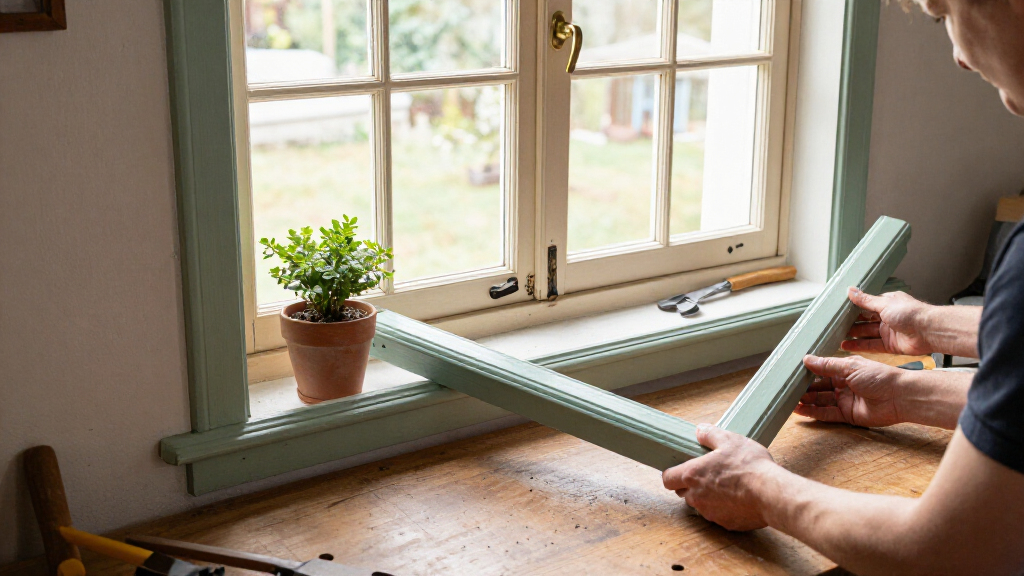
A DIY featured by Hunker uses inexpensive automotive pinstriping tape to create a faux leaded-glass pattern on existing windows. The creators said their project cost about $40, compared with a few hundred dollars for decorative window film; the tape can be peeled off, though the finish and long-term durability are not independently assessed in the report.
A DIY project featured in a Hunker report shows how automotive striping tape can create a faux leaded-glass pattern on a window, with the creators saying their project cost about $40. The removable approach offers a lower-cost way to change a window’s appearance without curtains or decorative film, but it does not replace damaged or failing glazing.
The idea came from YouTube creators Your Home, Renewed, who wanted to disguise a problem with the gas between the panes of their bay window while they saved for a replacement. According to Hunker, they found decorative window film for the project would cost a few hundred dollars and instead used automotive striping tape, which brought their reported outlay to about $40.
To plan a design, the creators first used masking tape to map the grid and test its spacing. Hunker says a large ruler and dry-erase marker can also help mark out lines before the final tape is applied. Different tape widths can create different patterns; the report gives ¼-inch tape as one available size and says metallic finishes are also an option.
For a look closer to leaded glass, the report recommends applying tape to both sides of the glass. At intersections, cut the strips so they meet flush rather than overlapping. Avoid stretching the tape while applying it, Hunker cautions, because tension can cause it to peel. To remove it, the report says to loosen a corner with a plastic scraper and peel the strip back at an angle.
A Lower-Cost Alternative to Window Film
The project gives renters and homeowners a way to try a decorative window treatment without buying curtains or committing to permanent changes. Hunker describes vintage leaded-glass windows as costing from a few hundred to a few thousand dollars per window, while the creators’ tape project cost about $40. Those figures are the report’s estimates and account for different products and projects, rather than a standardized price comparison.
The approach may be useful when someone wants to add a grid or obscure a view while keeping light coming through, but its reported use was also cosmetic: the tape concealed a window problem temporarily. It should not be treated as a repair. A window with failed glazing or other damage still needs an appropriate assessment and replacement or repair.
Products Worth Considering

LEVOIT Vital 200S-P Smart Air Purifier for Large Rooms

Sony BRAVIA 5 85-Inch Mini LED 4K HDR Smart TV (K-85XR50)

Samsung 85-Inch QN70H Neo QLED 4K Smart TV (2026)
As an affiliate, we earn on qualifying purchases.
A Bay Window Inspired the Project
The creators developed the idea after noticing that the gas between the panes of their bay window was failing. They wanted to cover the visible issue until they could afford a replacement window. Hunker says a purpose-made decorative film was priced at a few hundred dollars in their case, prompting them to test automotive pinstriping tape instead.
The design borrows its appearance from traditional leaded glass, in which glass panels are held together by strips called cames. Tape placed on the surface does not recreate that construction; it makes a visual grid. The report also cites WOD Tape’s vinyl pinstriping product as one example of tape sold in multiple widths, not as an endorsement or a guarantee of suitability for every window.
“The creators used automotive striping tape to make a faux leaded-glass window design.”
— Your Home, Renewed, as described by Hunker
Durability and Window Suitability
The source does not report how long the tape remained in place, whether it left residue, or how it performed under different temperatures, sunlight, and humidity. It also does not provide a full project budget, so the reported $40 cost may not cover tools, extra tape, or every window size.
It is also unclear whether the tape is suitable for every glass type, window coating, or manufacturer’s care instructions. Hunker describes it as removable, but does not provide independent testing or specify whether removal is risk-free on all surfaces. The project is presented as a cosmetic treatment, not a way to fix a failed seal or improve a window’s performance.
Plan and Test Before Taping
Anyone trying the design can first lay out a pattern with masking tape or mark a grid with a dry-erase marker, then check the spacing from inside and outside. Before applying the full design, test a short piece of striping tape in an inconspicuous spot and follow the tape and window manufacturer’s care guidance. Cut intersections carefully, apply the strips without stretching them, and use a plastic scraper if removal is needed.
The source does not identify a follow-up from the creators or report whether they ultimately replaced the bay window. The next practical step for anyone with failing glazing is to arrange a proper repair or replacement assessment; the decorative tape can change the appearance, but does not address the underlying window condition.
Key Questions
How much did the DIY window design cost?
The creators reported spending about $40 on their automotive striping tape project. The source does not provide a complete itemized budget or say that the same cost will apply to other windows.
Can the tape be removed?
Hunker says to loosen a corner with a plastic scraper and peel the tape away at an angle. The report does not provide independent testing or confirm that removal will be residue-free on every type of glass or coating.
Does the tape repair a failed window seal?
No. The tape creates a decorative appearance and was used to camouflage a visible problem temporarily. It does not repair failed glazing or replace a damaged window.
How can the design look more like leaded glass?
The report recommends placing tape on both sides of the glass, using a planned grid, and cutting intersecting strips so they meet flush rather than overlap. Avoid stretching the tape during application.
Source: hunker.com