
TL;DR
A House Beautiful report describes psychologists’ concept of “place authenticity” as one explanation for why people feel drawn to antique decor and historic places. Psychologist Ashley Krause says sensory detail, history, personal meaning and community ties can deepen emotional connections to a place, but the experience varies by person.
Krause defines place authenticity as the distinctive quality that makes a place feel genuine, alive and connected to its history, culture or community. The concept can overlap with personal authenticity—the feeling of being true to oneself—which may help explain why a singular, lived-in environment feels comforting or meaningful to some visitors.

Get business pricing on tools and workshop supplies
- Business-only prices and quantity discounts
- Tax-exempt purchasing
- Multiple users, one account, clear invoices
In a study described in the report, participants recalled a time they felt connected to a place. Krause said the perceived authenticity of the places they described was linked to deeper emotional and psychological connections. The supplied report does not give the study’s sample size, methods or publication details, so the finding should not be read as proof that antique objects themselves cause those feelings.
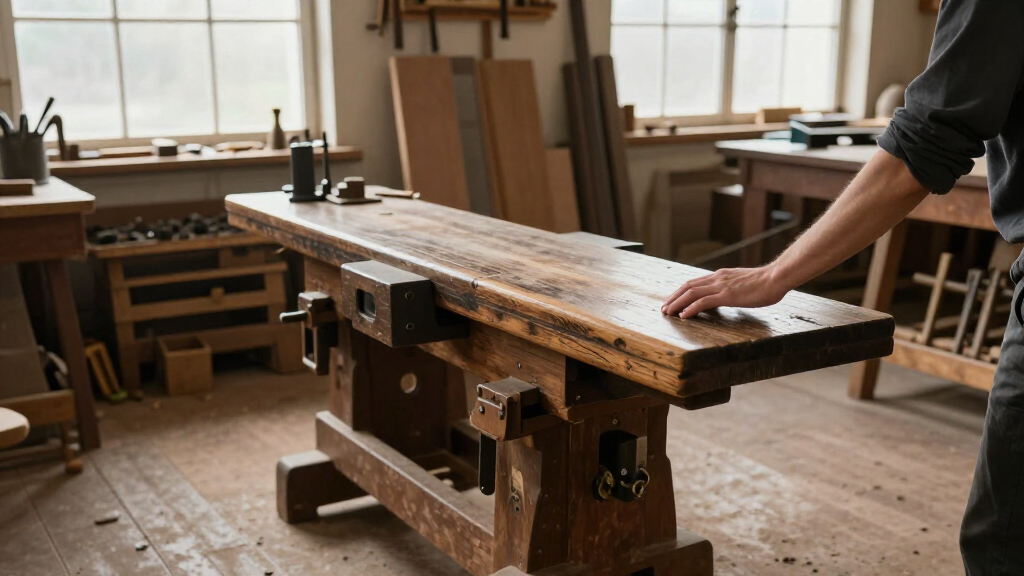
Krause identifies several features that can contribute to the experience: distinctive architecture and materials, sensory richness, local history or tradition, personal connections, and an atmosphere shaped by people who use the space. Antique furniture may be part of that mix, but the report stresses that authenticity cannot be created simply by copying an old-fashioned look.
Why Lived-In Spaces Resonate
The idea offers a framework for understanding why an old house, neighborhood shop or inherited piece of furniture can feel more affecting than a newly decorated space. Such places may bring together history, sensory detail and personal memory, giving people a sense of continuity and belonging. That can matter in everyday life: home is not only a visual arrangement but also a setting people associate with identity and relationships.
The explanation is not a universal rule or a diagnosis of anyone’s taste. A person may love antiques for their craftsmanship, appearance or practical value, while another may prefer new design. The report’s point is narrower: when a place feels distinctive and connected to people or history, that perception may be associated with a stronger emotional connection.
Products Worth Considering

Levoit Core 600S-P Smart Air Purifier for Large Rooms up to 2933 ft²

Levoit Vital 100S-P Air Purifier with Washable Pre-Filter

TCL F8D Series 75-Inch 4K QLED Smart Fire TV, 144Hz, HDR (75F8D, 2026)
As an affiliate, we earn on qualifying purchases.
How Place Authenticity Is Defined
The report places interest in antiques alongside a broader appetite for homes that feel individual rather than standardized. It describes vintage objects and historic settings as examples of spaces with visible age and imperfections, in contrast to environments that can seem uniform. That cultural observation is the article’s framing; it is not presented as a measured trend with data.
Krause also cautions that authenticity is subjective and changeable. A neighborhood business may feel genuine to someone who knows it now but seem inauthentic to a person who remembers an earlier shop at the same address. A place’s meaning can depend on a visitor’s memories, expectations and circumstances, not only its physical features.
““Place authenticity refers to the unique essence of a place that makes it feel genuine, alive, and connected to its history, culture, or community.””
— Ashley Krause, M.S., University of Florida psychology doctoral student and co-author of research on place authenticity, as quoted by House Beautiful
What the Research Does Not Show
The supplied report does not provide enough methodological detail to assess the study’s scope, strength or limits. It also does not establish that antique decor directly improves mental health, reduces stress or produces the same response across age groups or cultures. Krause’s account describes a reported association between perceived authenticity and emotional connection, not proof of cause and effect.
It remains unclear how common the experience is, which specific features matter most, and whether the effects persist beyond a visit or change as people’s relationships with a place develop. The concept itself allows for disagreement: the same setting can feel authentic to one person and not to another.
Ways to Build Meaning at Home
Krause’s suggestions, as reported by House Beautiful, focus on personal meaning rather than reproducing an antique appearance. People can bring in objects with a story—such as heirlooms, antique furniture or culturally meaningful artwork—and choose furnishings that reflect their own tastes and values. The report also recommends giving a home time to develop rather than expecting a new space to feel established immediately.
No next study or research milestone is specified in the supplied material. For readers, the practical takeaway is to notice which objects, sounds, materials and relationships make a place feel personal. The report does not claim that these choices guarantee a sense of authenticity; it presents them as ways to build a home that reflects its occupants over time.
Key Questions
What does “place authenticity” mean?
It is a psychology concept describing the quality that makes a place feel genuine and connected to its history, culture or community. The experience depends partly on the person perceiving the place.
Do antique objects automatically make a home feel authentic?
No. Krause says, as quoted by House Beautiful, that authenticity comes from genuine connections, history and emotional resonance; copying an old-fashioned look alone may not create it.
Why might a historic place feel comforting?
It may combine sensory details, distinctive design, personal memories and a visible connection to the past. Krause’s account links perceived place authenticity with deeper emotional and psychological connections, but responses differ.
Can a new home develop place authenticity?
The report says it can take time. Personal belongings, meaningful artwork, objects with history and design choices that reflect the residents’ values may help a new home feel more individual and rooted.
Source: rss