
If you’re diving into DIY woodworking projects, safety gear should be your top priority. Whether you’re a beginner or an experienced woodworker, protecting your eyes, respiratory system, hands, and ears is essential for a safe and enjoyable crafting experience. This checklist is designed to help you identify the must-have safety equipment that keeps accidents at bay and ensures your projects go smoothly.
The guide is organized into key safety categories, each highlighting the most important features to look for when selecting your gear. Use this as a quick reference to compare products and make informed choices. Remember, quality and fit matter—well-fitting gear offers better protection and comfort during long work sessions.
Before purchasing, consider your specific needs: the types of projects you undertake, your typical work environment, and any personal comfort preferences. This checklist aims to simplify your shopping process, so you can focus on your craft with confidence and peace of mind.
Protective Eyewear
Protecting your eyes is non-negotiable in woodworking. The KleenGuard V30 Nemesis Safety Glasses with mirror coating are designed to provide superior impact resistance and clear visibility. Their stylish design and durability make them a popular choice for both hobbyists and professionals. When selecting safety glasses, look for features like anti-fog coating, a comfortable fit, and impact-resistant lenses. Proper fit ensures that debris and dust don’t bypass the protection, which is crucial during cutting, sanding, or finishing. Many safety glasses also come with adjustable arms for a personalized fit, so try different styles to find what works best for you. Remember, safety glasses should be snug but comfortable, preventing slippage while working.
Invest in a pair that offers wide field of view and durability, especially if you work with power tools regularly. Replacing scratched or damaged lenses is important to maintain clear vision and protection. Keep multiple pairs handy around your workspace for convenience, and always wear them whenever engaging in woodworking activities.
What to look for:
- Impact-resistant lenses
- Anti-fog coating
- Comfortable, adjustable fit
- Wraparound design for full coverage
- Mirror or tinted coating for bright conditions
KleenGuard V30 Nemesis Safety Glasses (12 Pairs) with Mirror Coating and Smoke L

These unisex safety glasses feature a sleek, lightweight design with polycarbonate lenses that provide 99.9% UVA/UVB/UVC protection. Designed for comfort with FLEX-DRY technology to channel sweat away and prevent slippage, meeting ANSI Z87.1+ standards.
Pros:
- Stylish and lightweight design
- Provides excellent UV protection
- Comfortable with sweat-channeling technology
- Meets safety standards
Cons:
- Limited lens color options
- Bulkier for some users
- Only available in packs of 12
Best for: High-impact woodworking tasks
Not ideal for: Casual hobbyist use with minimal risk
Bottom line: Reliable protection with excellent visibility
Respiratory Masks
Dust and airborne particles are common hazards in woodworking, making a quality respirator essential. The 3M 8511 Particulate Disposable Respirator with N95 filtration offers effective protection against fine dust and allergens. When choosing a mask, consider fit and seal, as gaps can reduce efficiency. The 3M 8511 is known for its breathability and comfortable fit, which encourages consistent wear during prolonged projects. Proper respirator fit is crucial—perform a seal check each time you wear it to ensure maximum protection. Also, look for masks with adjustable nose clips and comfortable straps to prevent discomfort during extended use.
Respirators are especially important when sanding, cutting, or working with finishes that generate fine dust. Replace disposable masks regularly, and never compromise on fit for the sake of comfort. Pair your respirator with a well-ventilated workspace to further reduce inhalation risks. Remember, a good mask is your first line of defense against respiratory issues caused by woodworking dust.
What to look for:
- N95 or higher filtration efficiency
- Adjustable nose clip
- Comfortable, secure fit
- Breathability for extended wear
- Disposable or reusable options
3M 8511 Particulate Disposable Respirator, N95, Pack of 80

This NIOSH-approved N95 respirator offers at least 95% filtration efficiency against non-oil based particles like dust and smoke. Designed for comfort during long periods of use, it features a Cool Flow Valve, adjustable noseclip, and secure dual-strap headbands, making it suitable for various dusty and smoky work environments.
Pros:
- High filtration efficiency (95%) against dust and smoke
- Comfortable design with Cool Flow Valve and adjustable noseclip
- Secure fit with dual-strap headbands and adjustable noseclip
- Pack of 80 offers good value for bulk purchase
Cons:
- Designed for industrial use, not for casual or everyday consumer use
- May be uncomfortable for prolonged wear without proper fit
- Requires proper fitting for maximum effectiveness
Best for: Dust-intensive woodworking tasks
Not ideal for: Light sanding or minimal dust projects
Bottom line: Ensures clean breathing during woodworking
Work Gloves
Handling rough materials and sharp tools makes work gloves a vital part of your safety arsenal. The ATERET 12 Pairs XX-Large Heavy Duty Cowhide Leather Work Gloves are designed for durability, offering excellent abrasion resistance and cut protection. When choosing gloves, look for a comfortable fit that allows dexterity, so you can handle tools and small parts with ease. Leather gloves are ideal for heavy-duty tasks, providing a natural barrier against splinters, abrasions, and minor cuts. Make sure the gloves are well-stitched and flexible enough to allow precise movements, especially when working on detailed projects.
It’s important to select the correct size—too tight can restrict movement, while too loose might compromise protection. Consider gloves with reinforced palms for added durability if you’re handling rough or heavy materials frequently. Regularly inspect your gloves for wear and tear, replacing them when they become compromised. Wearing gloves not only protects your hands but also enhances your grip, reducing the risk of accidents.
What to look for:
- Durable leather material
- Proper size and fit
- Reinforced palms and fingertips
- Natural flexibility for dexterity
- Heavy-duty stitching
ATERET 12 Pairs XX-Large Heavy Duty Cowhide Leather Work Gloves

These durable work gloves are made from 100% grain cowhide leather with a full leather palm and keystone thumb, providing excellent durability for various tasks. Suitable for construction, warehousing, gardening, farming, and DIY projects, they come in a pack of 12 pairs in XXL size.
Pros:
- Heavy-duty cowhide leather for durability
- Full leather palm enhances longevity
- Includes 12 pairs, great value
Cons:
- Limited to XXL size, may not fit all users
- No mention of additional features like reinforced fingertips
- Potentially stiff initially due to leather material
Best for: Handling rough or sharp materials
Not ideal for: Fine detail work requiring high finger sensitivity
Bottom line: Protects hands during demanding woodworking tasks
Hearing Protection
Noise levels from power tools can be damaging over time, making hearing protection a wise investment. The Reusable Silicone Earplugs for Focus, Travel & Work are designed to provide up to 33dB noise reduction, making them suitable for loud woodworking environments. When selecting ear protection, prioritize comfort and fit, as poorly fitting earplugs tend to fall out or offer less protection. Silicone earplugs are soft, reusable, and easy to clean, making them a practical choice for frequent use. They should be inserted properly to ensure a snug seal, which maximizes noise reduction.
For extended work periods, consider earplugs that are comfortable enough to wear for hours. Reusable options are eco-friendly and economical, but always inspect them for wear and tear. Using hearing protection consistently helps prevent long-term hearing loss and reduces fatigue caused by loud environments. Combine ear protection with other safety gear to create a comprehensive protective setup.
What to look for:
- High Noise Reduction Rating (NRR)
- Comfortable, soft silicone material
- Reusable and easy to clean
- Proper fit for secure seal
- Inserts easily for quick use
Reusable Silicone Earplugs for Focus, Travel & Work, Up to 33dB Noise Reduction,
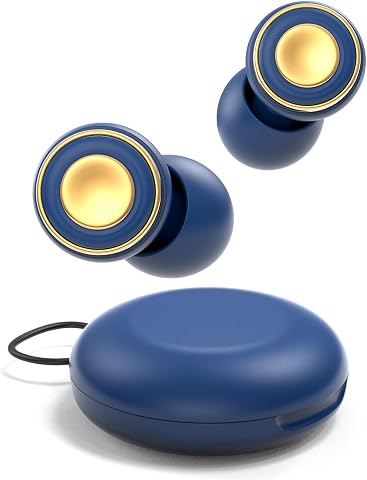
These reusable silicone earplugs are designed to reduce noise by up to 33dB, helping users focus, relax, or sleep in noisy environments. They come with four different sizes for a secure, comfortable fit and include a portable snap-closure case for easy transport.
Pros:
- Effective noise reduction up to 33dB
- Customizable fit with four sizes
- Comfortable for extended wear
- Portable and easy to carry
Cons:
- May require adjustment for optimal fit
- Silicone tips might cause discomfort for some users
- Not suitable for water exposure
Best for: Loud woodworking environments
Not ideal for: Quiet or low-noise tasks
Bottom line: Protects your hearing during noisy projects
Work Aprons
First Aid Kits
Scherber Fully-Stocked First Responder Bag | EMT/EMS Trauma & Bleeding Medical K

This comprehensive first responder bag is designed for emergency medical professionals and enthusiasts, containing over 250 supplies including tourniquets, chest seals, bandages, and more. Made from durable, water-resistant polyester with organized compartments, it offers quick access and portability for on-the-go situations.
Pros:
- Includes over 250 essential first aid supplies for emergencies
- Durable and water-resistant construction with organized compartments
- Comfortable, ergonomic shoulder strap and top handle for portability
- Designed for professional EMT/EMS use and training
Cons:
- Large size may be cumbersome for casual use
- Heavy when fully stocked, may be tiring to carry over long distances
Best for: most shoppers filling this slot
Not ideal for: highly specialized needs
Bottom line: A dependable pick for this checklist slot.
When building your woodworking safety kit, starting with budget-friendly options that meet your essential needs is a smart move. Prioritize quality and comfort to ensure you wear your gear consistently, which is key to staying safe. Remember, investing in reliable safety equipment is an investment in your health and your craft.
Take your time to select gear that fits well and suits your specific projects. As you grow more experienced, you’ll appreciate the value of good safety habits. Happy woodworking—safely and confidently!