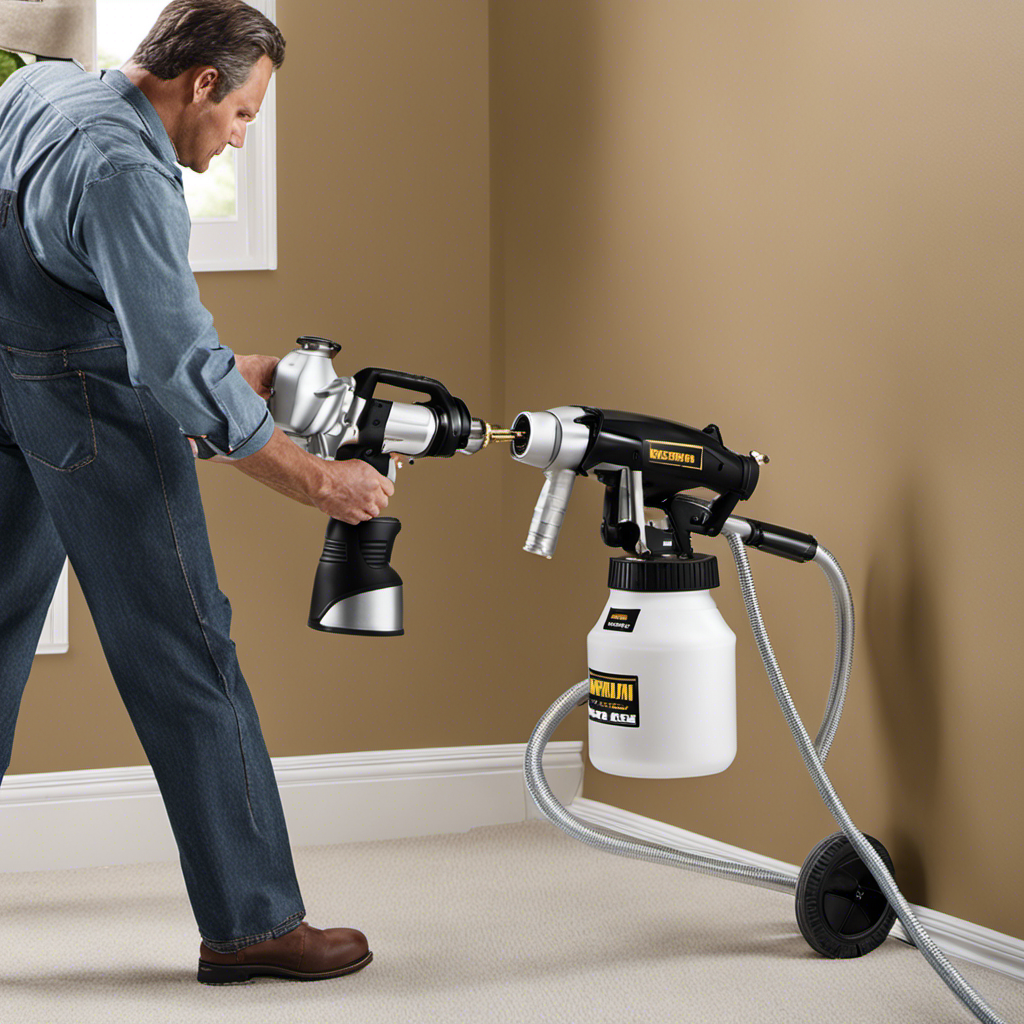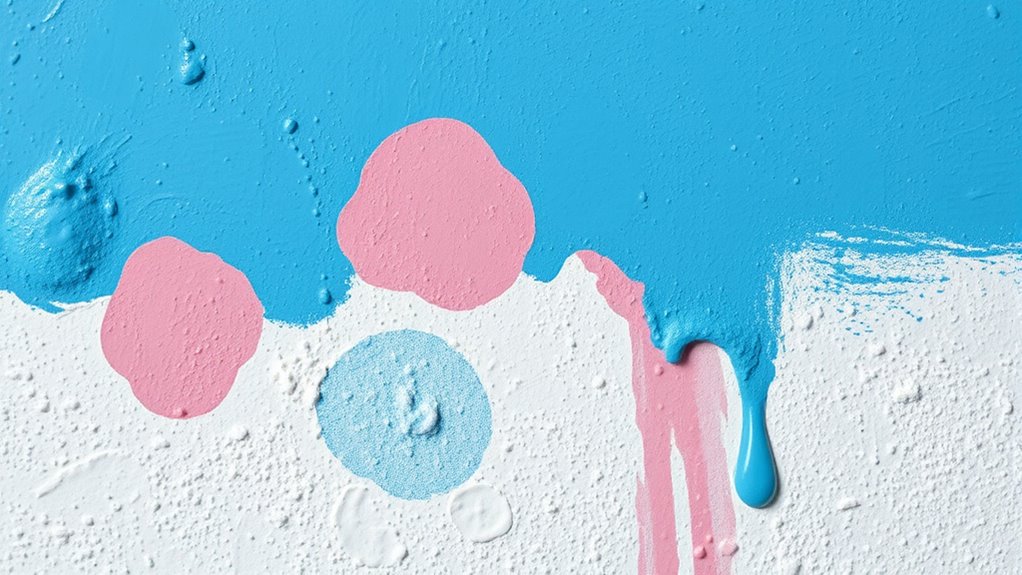

If paint isn’t sticking after spraying, you likely skipped proper surface prep, such as cleaning, sanding, or removing grease. Incompatible paint types or old, peeling layers can also prevent adhesion. Environmental factors like high humidity or cold temperatures can weaken the bond, too. Using the wrong spray or applying in poor conditions often causes peeling or flaking. To fix this, make certain your surface is clean, dry, and suitable for your paint—tons more tips await if you keep exploring.
Key Takeaways
- Insufficient surface cleaning can prevent proper adhesion, leading to peeling or flaking paint.
- Applying paint over incompatible or improperly prepared surfaces hampers bonding.
- Poor surface preparation, like not sanding or removing rust, weakens paint adhesion.
- Environmental factors such as high humidity or cold temperatures impair proper bonding.
- Using the wrong type of paint for the surface or not following manufacturer instructions causes poor sticking.
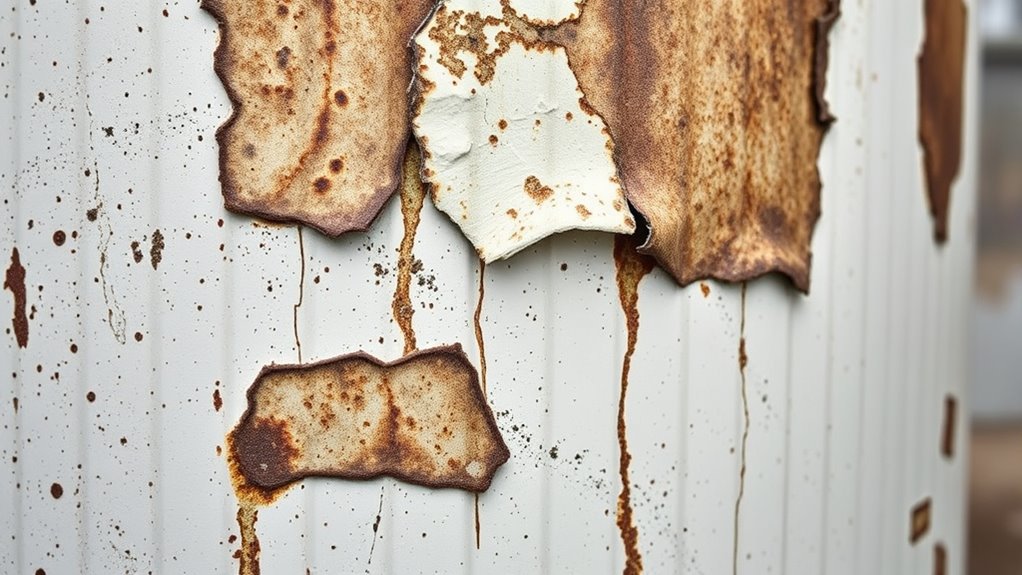
If your freshly sprayed paint isn’t sticking properly, it can be frustrating and confusing. One of the main reasons for this issue is poor surface preparation. Before you even start painting, you need to make sure the surface is clean, dry, and free of dust, grease, or old paint residues. Skipping or rushing through this step can cause the new coat to fail to adhere properly. For example, if you’re painting wood, sanding it lightly to create a smooth, clean surface helps the paint bond better. Similarly, if you’re working on metal or plastic, removing rust, oil, or wax is essential to ensure a solid foundation. Surface preparation acts as the foundation for good adhesion, and neglecting it often results in peeling or flaking paint later on. Proper surface prep is essential for achieving a durable paint job and preventing future issues.
Another critical factor is paint compatibility. Not all paints work well on every surface or with each other. If you’re using a paint that isn’t designed for your specific material, it won’t stick properly. For instance, applying latex paint over oil-based primer without proper preparation can cause adhesion problems. Always check the manufacturer’s recommendations to confirm the type of paint suitable for your surface. Using incompatible paint can lead to issues like bubbling, cracking, or peeling off shortly after application. In some cases, you might need a primer or undercoat specifically formulated for your surface to improve paint adhesion. This step ensures the paint bonds securely and lasts longer.
Temperature and humidity also influence how well paint adheres, but they are closely linked to surface preparation and paint compatibility. Painting in conditions that are too humid or too cold can hinder adhesion, especially if the surface isn’t adequately prepared. Moisture can prevent the paint from bonding properly, leading to peeling or blistering. Conversely, painting in excessively hot environments can cause the paint to dry too quickly, creating a weak bond with the surface. Ensuring ideal conditions during application, along with proper surface prep and suitable paint choices, sets the stage for a successful finish.
Frequently Asked Questions
Can Environmental Factors Affect Paint Adhesion?
Environmental factors can definitely affect paint adhesion. If the surface isn’t properly prepared, like cleaning or sanding, the paint won’t stick well. Also, extreme humidity, temperature, or direct sunlight during application can interfere with drying and bonding. Make sure you choose the right paint formulation for your environment and do proper surface prep. Controlling these factors helps the paint adhere better and last longer.
Does the Type of Spray Gun Influence How Paint Sticks?
A high-quality spray gun with the right nozzle size greatly impacts paint adhesion. You might think the spray gun doesn’t matter, but it controls how evenly the paint is deposited. A poor-quality gun or incorrect nozzle size causes uneven coverage and weak adhesion. To guarantee paint sticks well, choose a spray gun with good quality, match the nozzle size to your paint type, and maintain proper technique.
How Does Surface Temperature Impact Paint Adhesion?
Your surface temperature considerably impacts paint adhesion. If it’s too cold, the paint may not dry properly, causing poor adhesion. Conversely, if it’s too hot, the paint might dry too quickly, leading to uneven coverage or peeling. To guarantee ideal paint adhesion, you should always spray when the surface temperature is within the recommended range, typically between 50°F and 85°F. Proper surface temperature helps the paint bond better and last longer.
Are Certain Paint Brands More Prone to Peeling?
Some paint brands are more prone to peeling because of their formulation and brand reputation. You might find that cheaper or lower-quality paints don’t hold up well, especially if they aren’t formulated for your surface type. Trust reputable brands known for their durability and proper formulation. Remember, you get what you pay for, and choosing the right paint brand can save you headaches down the line.
What Role Does Humidity Play in Paint Sticking Issues?
Humidity levels critically affect paint adhesion, as high humidity causes moisture buildup on surfaces. When the air is too moist, it prevents paint from bonding properly, leading to peeling or bubbling. You should avoid painting in humid conditions or guarantee proper ventilation to reduce moisture. Monitoring humidity levels helps you choose the right time to spray, ensuring better adhesion and a longer-lasting finish.
Conclusion
So, when your paint refuses to stick, it’s like a promise broken—frustrating yet fixable. But remember, proper preparation and choosing the right paint can turn this disappointment into a smooth finish. It’s a bit like planting a seed; if you ignore the soil, nothing grows. Instead, prepare diligently and select quality materials. That way, your project transforms from a messy failure into a beautifully lasting masterpiece, proving that patience and care truly pay off.
Franz came aboard the Paint Sprayer Zone team with a background in both journalism and home renovation. His articulate writing style, combined with a passion for DIY projects, makes him an invaluable asset. Franz has a knack for breaking down technical jargon into easy-to-understand content, ensuring that even the most novice of readers can grasp the complexities of paint sprayers.