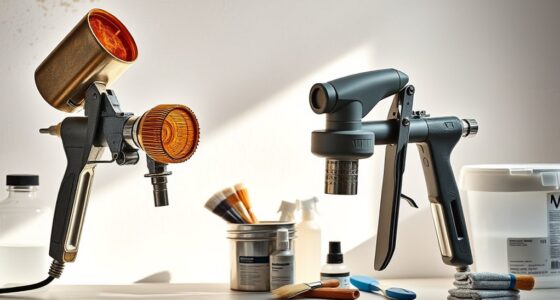

If your spray gun isn’t spraying, start by checking that the paint is properly mixed and thinned according to instructions. Confirm the nozzle isn’t clogged—clean it with brushes or solvents if needed. Verify that the nozzle size and spray pattern settings match your project. Inspect the air pressure—make sure it’s at the right level and there are no leaks. Finally, verify all connections are secure and filters are clean. Keep going to uncover more tips to fix the issue quickly.
Key Takeaways
- Ensure the paint is properly mixed and thinned as needed for smooth flow.
- Check and clean the nozzle to remove any dried paint or debris causing blockages.
- Verify that the spray pattern settings and nozzle size match your project requirements.
- Inspect air pressure levels and clean or replace filters to maintain proper airflow.
- Confirm all fittings and connections are tight, leak-free, and the air supply line is clear.
If your gun isn’t spraying paint or coating properly, it can be frustrating and hinder your project. One of the most common issues is inconsistent or no paint flow at all. Before panicking, check the basics: ensure your paint is properly mixed and not too thick. If the paint is too viscous, it won’t flow smoothly through the gun, causing uneven spraying or complete blockages. Thinning your paint according to the manufacturer’s recommendations can often resolve these issues. Also, verify that the intake and nozzle are clean and free of debris, as clogs here can restrict paint flow considerably.
Ensure your paint is properly mixed and not too thick for smooth spraying.
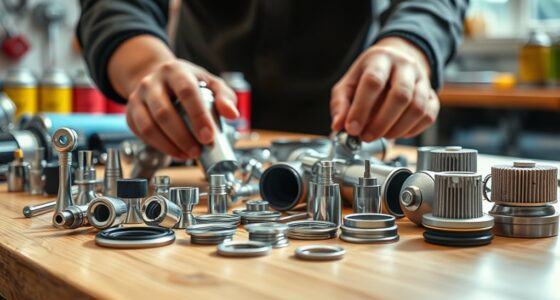
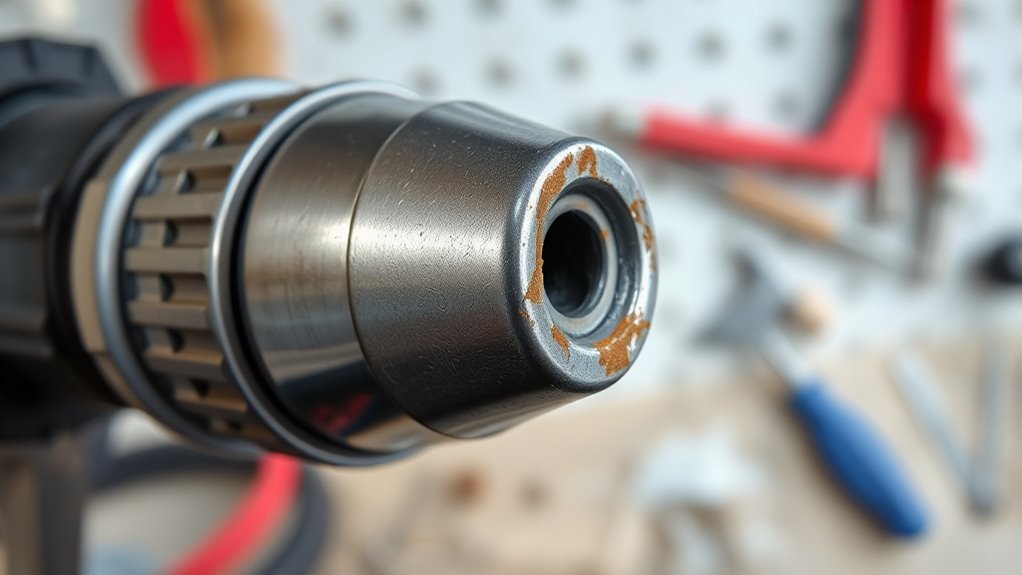
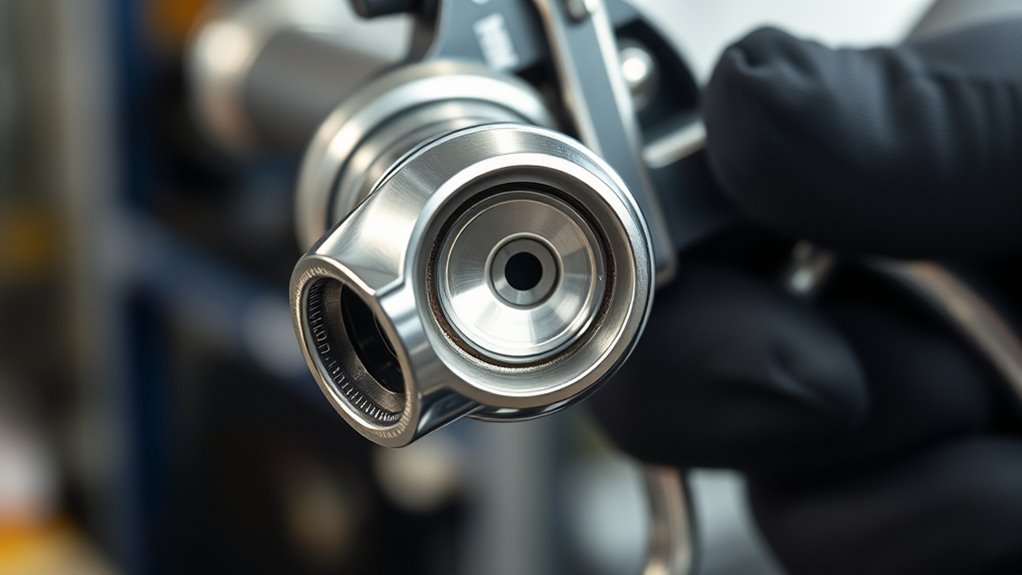
A frequent culprit for poor spray performance is a nozzle clog. Nozzles can become obstructed by dried paint, dirt, or other debris, which interrupts the paint’s path and prevents it from spraying evenly. To fix this, turn off the gun and disconnect it from the power source, then carefully remove the nozzle. Clean it thoroughly with a brush or a solvent recommended for your paint type. Sometimes, a simple soak in warm water or solvent can loosen dried paint. Be cautious not to damage the nozzle during cleaning, as a damaged nozzle can cause spray irregularities. After cleaning, reassemble and test the gun to see if the spray improves.
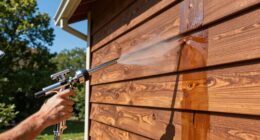
Another quick check involves inspecting the nozzle size and spray pattern settings. If the nozzle is too small or the settings are off, you might experience poor paint flow or uneven coverage. Adjust the spray pattern and nozzle size according to your project’s requirements. Also, ensure the air pressure is adequate; insufficient pressure can lead to weak paint flow, while too much can cause overspray and waste.
Don’t forget to inspect the air filter and connections. A clogged or dirty air filter can reduce airflow, impacting the spray pattern and paint flow. Clean or replace filters regularly to keep the system working efficiently. Additionally, check the air pressure, since improper settings can cause inconsistent spray and flow issues. Also, look for leaks or loose fittings in the air supply line, as these can cause inconsistent spray and air pressure issues.
Frequently Asked Questions
How Do I Identify if My Spray Tip Is Clogged?
To identify if your spray tip is clogged, first examine the spray pattern—if it’s uneven or sparse, that’s a sign. Remove the tip and hold it up to the light; if you see paint residue blocking the opening, it’s clogged. Also, test spray on a scrap surface with your chosen paint color. If the flow is inconsistent or stops, cleaning the tip should restore a smooth, even spray pattern.
What Safety Precautions Should I Take Before Troubleshooting?
Before troubleshooting, you should prioritize safety just like you’d carefully mix paint—precision matters. Wear protective gear, including gloves and a mask, to prevent splashes or fumes. Check spray gun ergonomics for comfortable handling, ensuring you can work safely. Disconnect the gun from the power supply, and clear the area of children or pets. Taking these precautions keeps you safe while you inspect and fix your spray gun.
Can Using Incorrect Paint Cause Spraying Issues?
Yes, using incorrect paint can cause spraying issues. If the paint isn’t compatible with your spray gun, it may clog or spray unevenly. Always check paint compatibility before starting, and make certain your spray gun is properly maintained. Regular spray gun maintenance, like cleaning and inspecting parts, helps prevent issues caused by incompatible paint, ensuring smooth and consistent spraying. Using the right paint and maintaining your equipment are key to successful results.
How Often Should I Clean My Spray Gun?
You should clean your spray gun thoroughly after each use to ensure proper spray performance. Regular spray gun maintenance includes disassembling parts, rinsing with the right solvent, and checking for dried paint buildup. If you do paint mixing, cleaning becomes even more vital to prevent clogs. By maintaining your spray gun regularly, you’ll avoid spraying issues and extend its lifespan, making your painting process smoother and more efficient.
What Tools Are Recommended for Cleaning a Spray Gun?
Think of your spray gun as a delicate instrument that needs gentle care. Use small brushes, cleaning needles, and soft cloths for airbrush maintenance, ensuring every nook is spotless. For spray gun troubleshooting, have appropriate cleaning solvents and compressed air handy. These tools help you clear blockages and maintain ideal spray patterns. Regular cleaning with these essentials keeps your gun spraying smoothly, saving you time and frustration.
Conclusion
If your gun isn’t spraying, don’t panic. Just like a car needs regular check-ups to run smoothly, your spray gun needs simple troubleshooting to get back in action. By checking these quick tips, you’re like a mechanic fine-tuning your tool, ensuring it works perfectly each time. So, take a deep breath, follow the steps, and remember—solving spray gun issues is often easier than you think, like fixing a small puzzle piece that makes the whole picture complete.