Yes, you can spray primer and sealer through the same gun, but proper cleaning and preparation are essential. Before switching products, thoroughly clean the gun with compatible solvents to prevent cross-contamination, clogs, or finish issues. Regular maintenance, such as disassembling parts and flushing with the right cleaner, ensures consistent results and prolongs equipment life. If you want to know the best practices for switching smoothly, there’s more to take into account for ideal performance.
Key Takeaways
- Yes, a single spray gun can be used for both primer and sealer with proper cleaning.
- Thoroughly clean the gun before switching to prevent cross-contamination and ensure quality.
- Use appropriate solvents or cleaners based on whether the products are water- or solvent-based.
- Disassemble and clean all parts, including nozzle and passages, to avoid clogs and uneven application.
- Regular maintenance and flushing help maintain consistent spray patterns and prolong equipment lifespan.

If you’re wondering whether you can use the same spray gun for primer and sealer, the answer is yes—it’s possible with the right approach. However, to guarantee quality results and prolong your equipment’s lifespan, proper paint gun maintenance and cleaning spray equipment are essential. Switching between different types of coatings requires careful preparation to prevent contamination, which can affect the finish and adhesion.
Before you start spraying primer or sealer, make sure your gun is thoroughly cleaned. Residual paint or sealer left inside can lead to clogs, uneven application, or cross-contamination. To achieve the best results, disassemble the spray gun and clean all parts meticulously, paying special attention to the nozzle, air cap, and fluid passages. Use an appropriate solvent or cleaning solution suited for the materials you’re spraying—water-based cleaners for latex primers and sealers, or solvent-based cleaners for oil-based products. Regularly inspecting and cleaning your spray equipment not only guarantees smooth operation but also reduces the need for costly repairs or replacements.
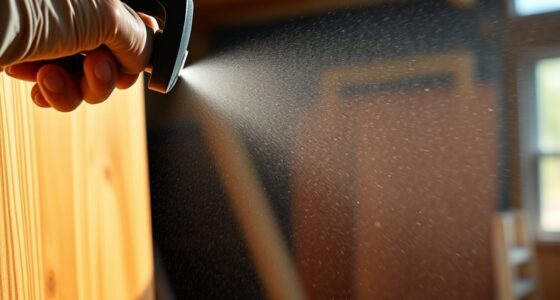
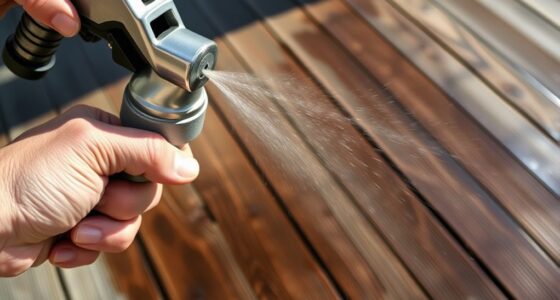
Thoroughly clean and disassemble your spray gun for optimal primer or sealer application.
When switching between primer and sealer, consider how different their compositions are. Some primers contain heavier solids or binders that might clog the gun if not cleaned properly. Sealers can also vary in consistency, which can impact how they spray through your gun. To prevent issues, flush the equipment with a compatible cleaning agent after each use, especially when transitioning from one product to another. This step is vital for maintaining consistent spray patterns and preventing buildup that could compromise the finish.
It’s also wise to dedicate time to routine maintenance. After each use, rinse out the entire spray system, including the hose and cup, to remove residual materials. Lubricate moving parts as recommended by the manufacturer to keep everything functioning smoothly. Additionally, using the correct cleaning solutions for your specific coatings helps extend the life of your equipment. When you follow a consistent cleaning spray equipment routine, you’ll find that switching between primer and sealer becomes more straightforward and less time-consuming.
Frequently Asked Questions
Can I Switch Between Primer and Sealer Without Cleaning the Gun?
You can switch between primer and sealer without cleaning your gun, but it’s not recommended for equipment compatibility or ideal spray technique. Residual material can clog or affect the finish of the next layer. To guarantee a smooth application and prevent issues, clean your gun thoroughly when switching between different types of coatings. This practice maintains spray quality and extends your equipment’s lifespan, saving you time and effort in the long run.
Does Using the Same Gun Affect the Finish Quality?
Using the same gun for primer and sealer can affect finish quality if equipment compatibility isn’t perfect or if you don’t clean the gun thoroughly between uses. Residual material can clog the nozzle, leading to inconsistent spray patterns and uneven coverage. To maintain spray consistency and achieve a high-quality finish, it’s best to clean your equipment thoroughly or use separate guns for different materials.
How Do I Prevent Cross-Contamination Between Primer and Sealer?
To prevent cross-contamination between primer and sealer, you must be vigilant with your spray equipment. Rinse your gun thoroughly after each use, ensuring no residue remains that could compromise paint compatibility. Pay close attention to nozzle cleanliness and switch out filters if needed. This careful maintenance keeps your finish flawless, avoiding surprises and ensuring each coat performs perfectly. Don’t let cross-contamination sabotage your project—stay vigilant!
What Are the Best Practices for Cleaning the Gun Between Uses?
To keep your spray gun in top shape, follow proper maintenance by cleaning it thoroughly after each use. Use appropriate cleaning methods like flushing with solvent or water, depending on the material. Disassemble parts if needed, and make certain all residue is removed. Regular cleaning prevents clogs and cross-contamination, extending your gun’s lifespan and ensuring smooth application every time. Always follow the manufacturer’s cleaning instructions for best results.
Are There Specific Gun Types Recommended for Spraying Primer and Sealer?
You should choose a spray gun compatible with both primer and sealer, typically a HVLP or HVLP-compliant system, to guarantee proper equipment compatibility. These guns handle different viscosities well and support precise application techniques. When switching between materials, clean the gun thoroughly to prevent contamination. Using the right equipment and techniques guarantees smooth, even coats and reduces the risk of clogs or inconsistent finishes.
Conclusion
In the end, spraying primer and sealer with the same gun is totally doable if you clean it thoroughly between uses. Just imagine your gun as a chameleon, changing colors seamlessly without any mix-ups. Keep it spotless, and you’ll save time and effort, avoiding the chaos of juggling multiple tools. With proper cleaning, you can conquer any project like a painting superhero—saving the day one spray at a time!

Franz came aboard the Paint Sprayer Zone team with a background in both journalism and home renovation. His articulate writing style, combined with a passion for DIY projects, makes him an invaluable asset. Franz has a knack for breaking down technical jargon into easy-to-understand content, ensuring that even the most novice of readers can grasp the complexities of paint sprayers.