When servicing or spraying your appliances with pilot lights, it’s essential to shut off the gas supply first and verify the pilot light is fully extinguished. This prevents gas leaks, fires, or explosions. Always turn the gas valve handle clockwise to close it completely, wait a few minutes, and check for leaks or lingering fumes. Skipping these steps risks dangerous accidents—if you want to stay safe, there’s more to learn on how to do this correctly.
Key Takeaways
- Always turn off the pilot light before shutting off the gas supply to prevent accidental ignition.
- Confirm the gas supply valve is fully closed and wait several minutes for residual gas to dissipate.
- Ventilate the area thoroughly and check for gas leaks using soapy water or a gas detector.
- Never skip leak checks or ignore unusual smells or hissing sounds during shutdown.
- Follow manufacturer safety protocols and double-check that all gas and pilot lights are fully extinguished before spraying.
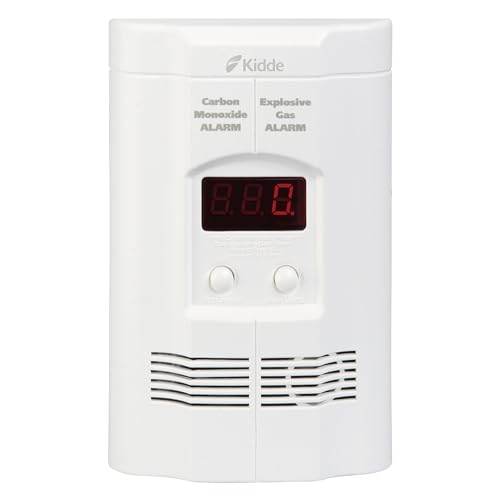
Kidde Carbon Monoxide + Explosive Gas, Natural Gas & Propane Alarm, Plug-in with 9V Battery Backup, Digital Display, 85 dB Alarm, LED Status Indicators, 3rd Edition
- Easy Plug-in Installation: Plug into standard 120V outlet
- Battery Backup: Includes 9V battery for power outages
- Digital Display: Shows CO levels or 'GAS' warning
As an affiliate, we earn on qualifying purchases.
As an affiliate, we earn on qualifying purchases.
Why Is It Important to Turn Off Your Pilot Light Before Spraying?
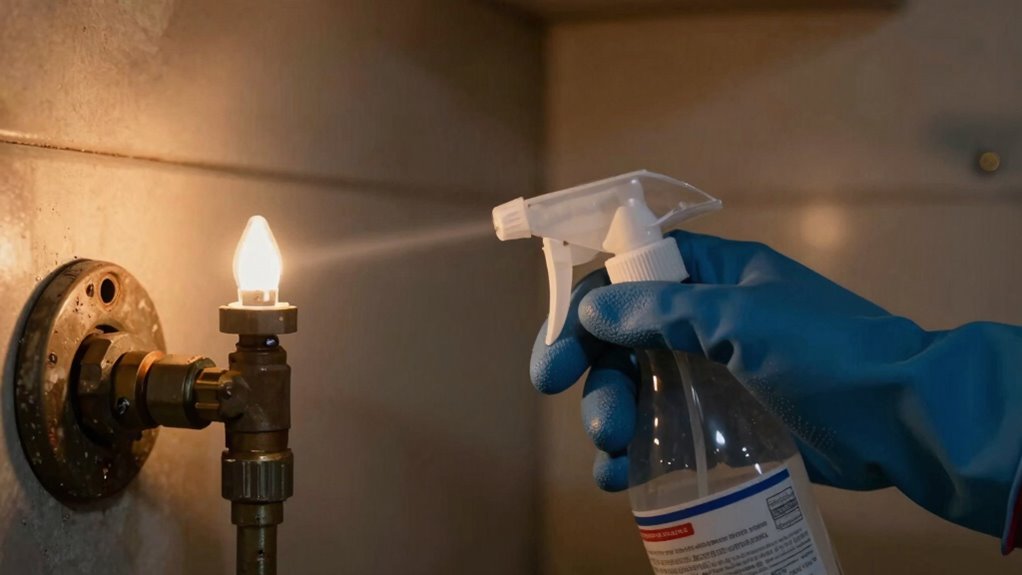
Turning off your pilot light before spraying is essential because it prevents the risk of igniting fumes or vapors that may be present. This step is vital for maintaining gas safety in your home. If fumes are lingering, an accidental spark from the pilot light could cause a fire or explosion. Proper appliance maintenance includes ensuring all sources of ignition are turned off before any spraying activity. By doing so, you eliminate the chance of igniting flammable vapors, protecting yourself and your surroundings. Remember, even a small spark can lead to significant hazards. Taking this precaution demonstrates responsible gas safety and keeps your home safe. Additionally, understanding the role of the pilot light in home safety can help you better assess potential risks. Always prioritize turning off your pilot light as part of your routine maintenance when working around gas appliances.
How to Safely Turn Off Your Pilot Light Step-by-Step
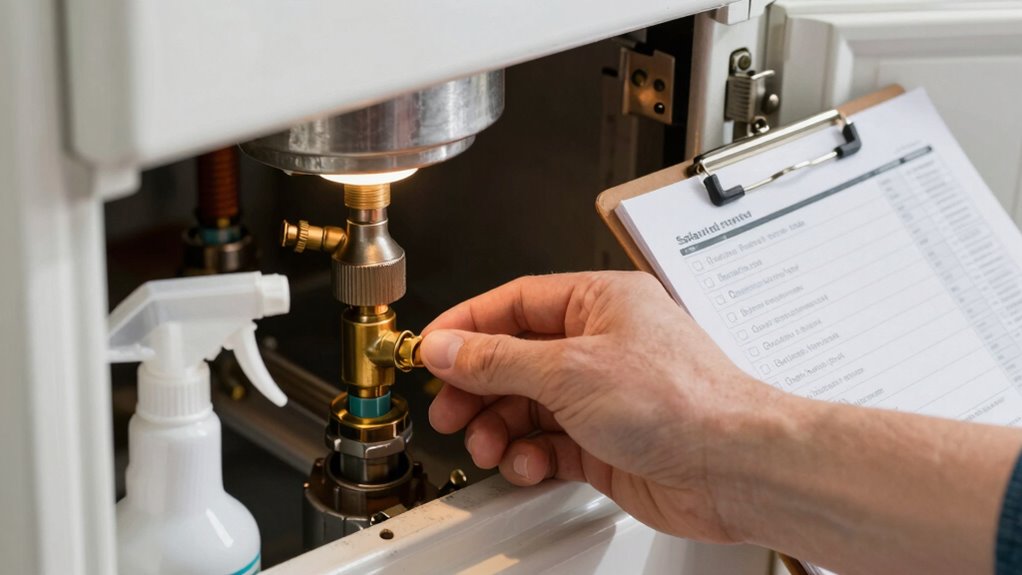
Before turning off your pilot light, gather the necessary tools, like a wrench or screwdriver. Next, shut off the gas supply to guarantee safety, and wait a few minutes to let any residual gas dissipate. Once these steps are complete, you can proceed with turning off the pilot light safely. Additionally, ensuring your energy-efficient appliances are properly maintained can prevent potential hazards during such procedures, and understanding backup power options can help you plan for outages effectively. Remember to check your air purifier filters regularly to maintain a safe and healthy environment in your home. Proper maintenance procedures can significantly reduce the risk of accidents and ensure your safety during appliance shutdowns. Familiarizing yourself with seasonal checklists can also help keep your home systems in optimal condition year-round.
Gather Necessary Tools
To safely turn off your pilot light, gather the necessary tools beforehand to prevent delays or accidents. Start with tool selection by choosing a reliable flashlight, adjustable wrench, and insulated gloves. Safety precautions are essential, so wear gloves and eye protection to guard against potential gas leaks or accidental sparks. Confirm your work area is well-ventilated. Double-check that you have all tools ready, so you don’t need to search for items during the process. Using the correct tools minimizes risks and helps you work efficiently. Proper preparation reduces the chance of mishaps and ensures you can follow each step safely. Additionally, understanding the gas safety procedures can further ensure a secure and successful shutdown. Being aware of water safety guidelines, especially when working around water sources or pools, can help prevent accidental slips or other hazards in the vicinity. Familiarizing yourself with paint sprayer maintenance routines, such as cleaning and inspecting equipment, can also prevent issues during the shutdown process. Moreover, knowing how to properly detect gas leaks can significantly enhance safety during this procedure. It’s also beneficial to be aware of piercing care and hygiene practices, as working in confined or sensitive areas requires cleanliness and caution to avoid irritation or injury.
Turn Off Gas Supply
Once you’ve gathered your tools and prepared your work area, locate the gas supply valve connected to the appliance. Ensuring gas safety is vital during appliance maintenance, so turn the valve handle clockwise to shut off the gas flow. Confirm that the valve is fully closed to prevent any leaks or gas buildup. If your valve has a lever, it should be perpendicular to the pipe; if it’s a round valve, turn it firmly until tight. Never force the valve, as this could cause damage or leaks. Turning off the gas supply properly minimizes the risk of accidental ignition and guarantees safe handling of the pilot light. Properly shutting off the gas supply is also an important step in home security, helping to prevent potential hazards during appliance servicing. Remember that understanding the gas shut-off procedures enhances overall safety during maintenance tasks. Always double-check that the gas is off before proceeding with further maintenance steps. Additionally, being familiar with vetted safety precautions can further reduce risks during your maintenance process. Being aware of gas leak detection techniques can also help you identify issues early and ensure a safer environment.
Wait Before Handling
After turning off the gas supply, it’s essential to wait a few minutes before handling the pilot light. This pause guarantees gas safety by allowing any residual gas to dissipate and reduces the risk of ignition. Rushing into handling the pilot light prematurely can lead to accidents or gas leaks. During this waiting period, check for any unusual smells or signs of leaks, and familiarize yourself with emergency procedures in case you detect a problem. Patience is key to safe maintenance; it minimizes hazards and ensures you don’t accidentally ignite lingering gas. Additionally, understanding industry trends can help you stay informed about safety updates and best practices. Recognizing support breakfast options can also provide comfort and nourishment if you need to wait longer or require additional assistance. It is also advisable to consult the user manual for specific instructions related to your appliance model. Being aware of gas safety protocols ensures you are prepared to respond appropriately in case of an emergency. Once the waiting period is over and you’re confident there’s no gas present, you can proceed with turning off or servicing the pilot light safely and effectively. Furthermore, always ensure proper ventilation in the area to prevent gas buildup during the process.
Common Mistakes When Turning Off Gas Appliances and How to Avoid Them
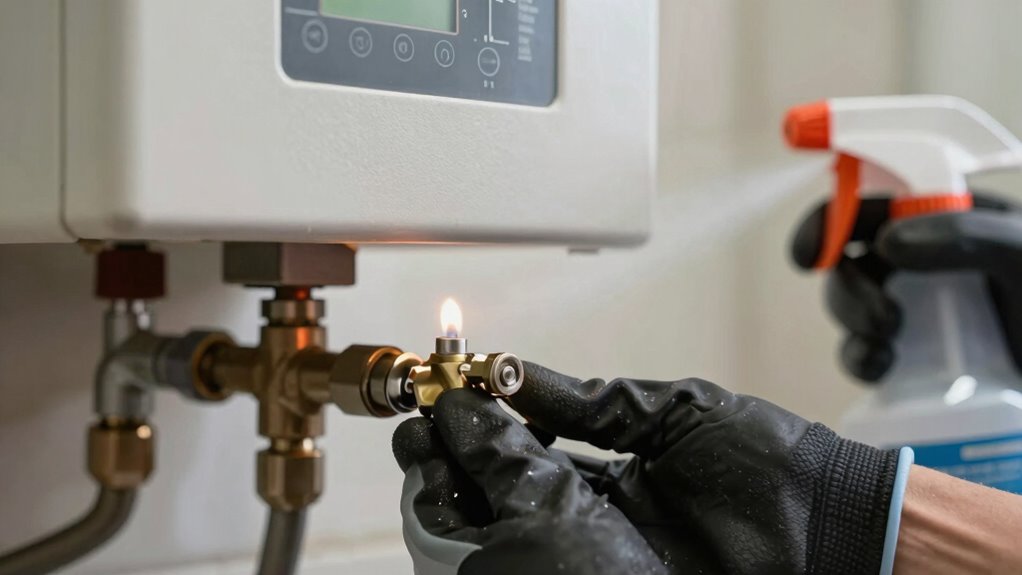
Turning off gas appliances might seem straightforward, but many people make common mistakes that can lead to dangerous situations. One mistake is rushing the process without verifying that the appliance has fully shut down, risking gas leaks. Another is neglecting regular appliance maintenance, which can cause malfunctions or leaks when turning off. Failing to turn off the gas supply properly can leave residual gas in the lines, increasing the risk of accidents. Some people forget to double-check that pilot lights are extinguished, which can cause unsafe conditions if they reignite unexpectedly. To avoid these mistakes, always follow the manufacturer’s shutdown procedures, prioritize gas safety, and perform regular appliance maintenance. Properly turning off your gas appliances ensures safety and extends their lifespan. Additionally, understanding the nanotechnology involved in modern safety sensors can help improve detection and prevention of leaks, especially since advanced sensor technology is now integral to many modern appliances. Being aware of regulatory safety standards can further help ensure that your appliances operate safely and efficiently.
How to Properly Spray and Service Your Gas System After Turning It Off
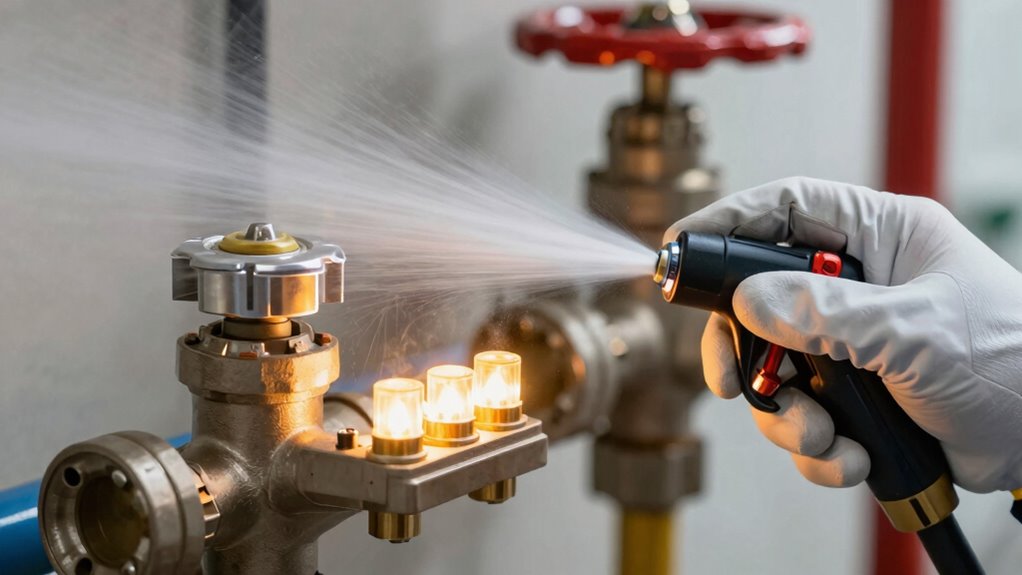
Before you start servicing your gas system, make sure to ventilate the area thoroughly to prevent buildup of any residual gas. Next, carefully check for leaks using a soap solution or gas detector before reconnecting or turning the system back on. Taking these steps guarantees your safety and helps prevent potential hazards.
Ventilate Before Servicing
Ventilating your gas system is a crucial step to guarantee safety before you begin servicing or spraying. Proper ventilation improves air quality and reduces the risk of gas buildup, ensuring a safer workspace. Before starting, open windows and doors to allow fresh air in. Use exhaust fans to accelerate airflow, and keep the area well-ventilated for at least 15 minutes. Avoid confined spaces where gas could linger. Always check that ventilation safety measures are in place and functioning correctly. Remember, good airflow not only protects your health but also prevents dangerous gas accumulation. Making ventilation a priority helps you work safely and confidently when servicing your gas system. Stay vigilant, and don’t rush this essential safety step.
Check for Leaks Properly
After you’ve turned off your gas system and made certain of proper ventilation, it’s important to check for leaks before proceeding with spraying or servicing. Start your inspection routine by applying a soapy water solution around all connections, valves, and fittings. Watch carefully for bubbles, which indicate a gas leak. Never rely solely on smell; always confirm with this visual check. If you detect a leak, turn off the gas supply immediately, ventilate the area again, and repair the connection before proceeding. Consistently performing this inspection routine guarantees safety and prevents accidents. Remember, a small overlooked gas leak can lead to serious issues later. Take your time, be thorough, and never skip this critical step before working on your gas system.
How Can You Tell If Your Gas Is Still On After Shutting It Off?
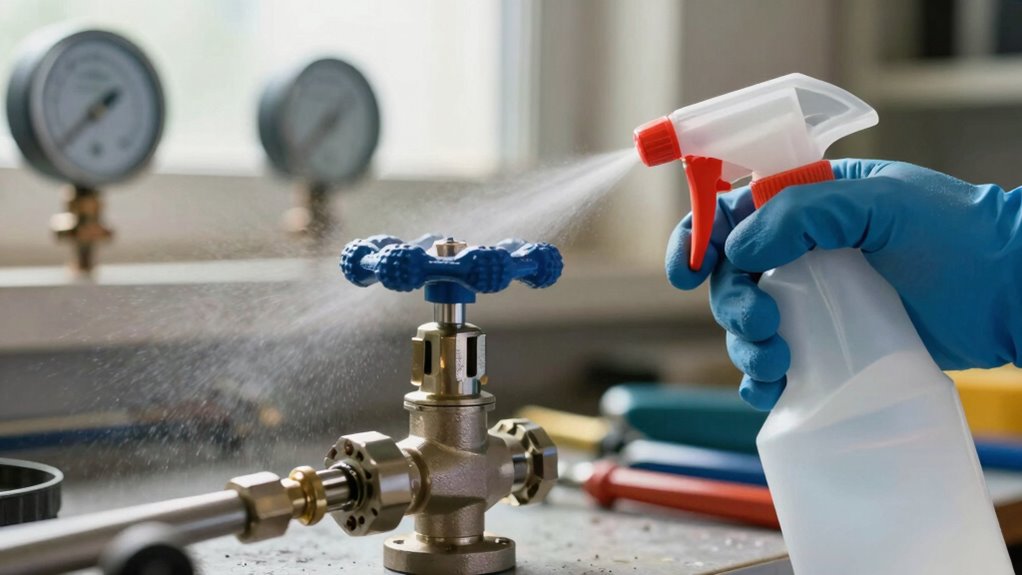
Even if you’ve turned off the gas supply, it’s important to double-check that it’s truly shut off before proceeding. To do this, look for a gas indicator to confirm the flow has stopped. Check the pilot status—if the pilot remains lit, gas is still present. Listen for any hissing sounds, which could indicate a leak or ongoing gas flow. Feel around the area for lingering gas odors; a strong smell suggests the supply isn’t fully off. You can also observe the pilot light; if it’s still burning, the gas is still active. Finally, ensure all valves are completely closed and secure. Verifying these signs ensures safety and peace of mind before moving forward.
Why Skipping This Step Could Lead to Dangerous Accidents
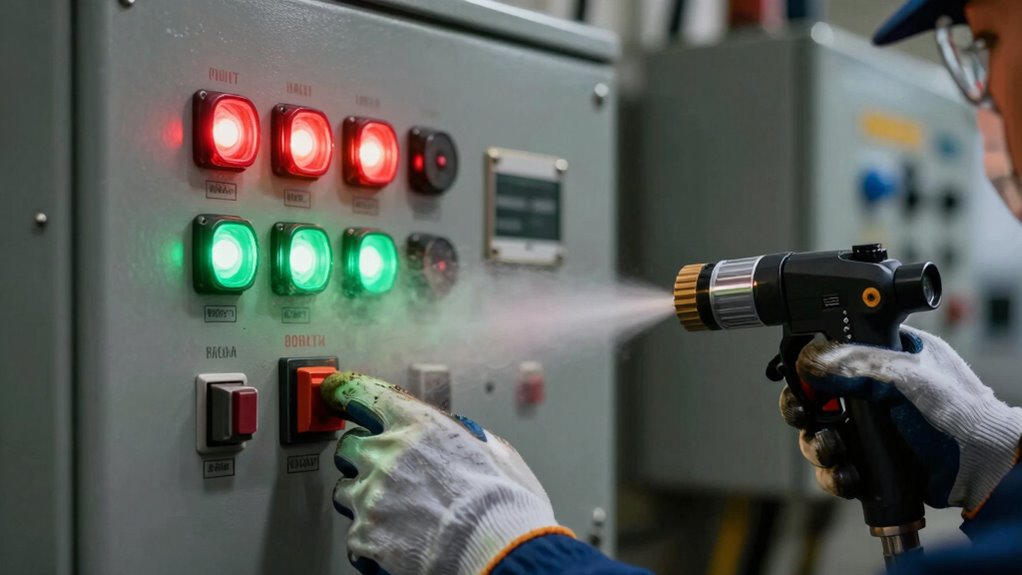
Skipping the step of verifying that the gas is fully turned off can lead to serious accidents, such as leaks, explosions, or fires. Neglecting proper gas safety during appliance maintenance increases the risk of dangerous buildup or accidental ignition. If you don’t double-check, residual gas may escape unnoticed, creating a hazardous environment. This oversight can cause combustible fumes to ignite unexpectedly, endangering your safety and property. Making certain the gas is completely shut off is a simple but crucial step that prevents these risks. Taking a moment to verify your appliance’s gas status protects against accidents and promotes responsible maintenance. Always prioritize gas safety, especially when working with pilot lights or spraying tasks, to avoid unnecessary hazards and ensure a safe environment.
Frequently Asked Questions
What Safety Gear Should I Wear When Turning off a Pilot Light?
When turning off a pilot light, you should wear protective gloves to prevent burns or injuries from hot surfaces. Make sure to follow ventilation precautions by ensuring the area is well-ventilated to avoid inhaling any residual fumes or gases. Always turn off the gas supply first, then proceed carefully. Wearing gloves and maintaining proper ventilation keeps you safe during this process, reducing the risk of accidents or exposure.
Can I Turn off My Pilot Light Myself or Should I Hire a Professional?
You can turn off your pilot light yourself if you follow proper DIY safety measures, but it’s often safer to hire professional assistance. A coincidence might be that many overlook the potential risks involved in handling gas appliances. When in doubt, prioritize safety—call a professional to prevent accidents or gas leaks. They have the experience and tools to do it correctly, ensuring your home stays safe and secure.
How Often Should I Check My Gas Appliances for Safety?
You should check your gas appliances at least once a month for safety. Use a gas detector to alert you to leaks and perform a ventilation check to make certain proper airflow. Regular inspections help prevent dangerous buildup of gas. Always turn off appliances if you notice a smell or suspect a leak, and consider scheduling professional inspections annually for added safety. Staying vigilant keeps your home safe and secure.
What Are the Signs of a Gas Leak After Turning off the Pilot Light?
If you notice a gas odor or a hissing sound after turning off the pilot light, it’s a clear sign of a gas leak. You should act immediately by ventilating the area, avoiding any flames or sparks, and leaving the space. Then, contact your gas supplier or emergency services to handle the situation safely. Don’t ignore these signs—they indicate a serious safety hazard.
Is It Safe to Spray Near a Pilot Light or Gas Appliance?
You definitely shouldn’t spray near a gas stove or any gas appliance. Even a tiny spark or mist can cause a dangerous explosion—like a fireworks show gone wrong. For safe appliance maintenance, avoid spraying near the pilot light or gas controls. Instead, use approved cleaning methods and keep the area well-ventilated. Always prioritize safety and consult a professional if you’re unsure about handling gas appliances.
Conclusion
Did you know that improperly turning off gas appliances causes over 10,000 accidents annually? Skipping the shut-off checklist could be your biggest mistake. By carefully turning off your pilot light and verifying that your gas is completely off, you protect yourself and your home. Don’t overlook these steps—they’re simple but vital for safety. Stay vigilant, follow proper procedures, and keep your space secure from potential hazards. Your safety depends on it.